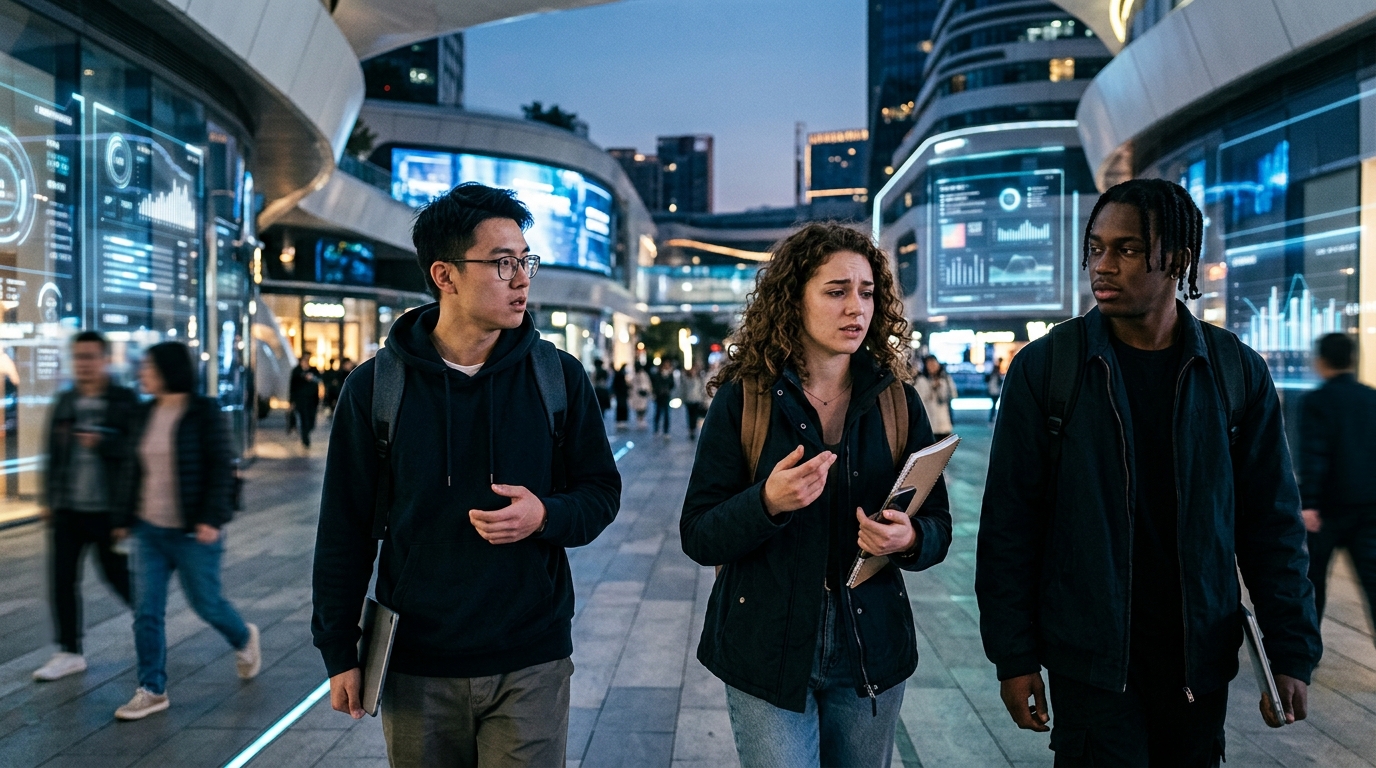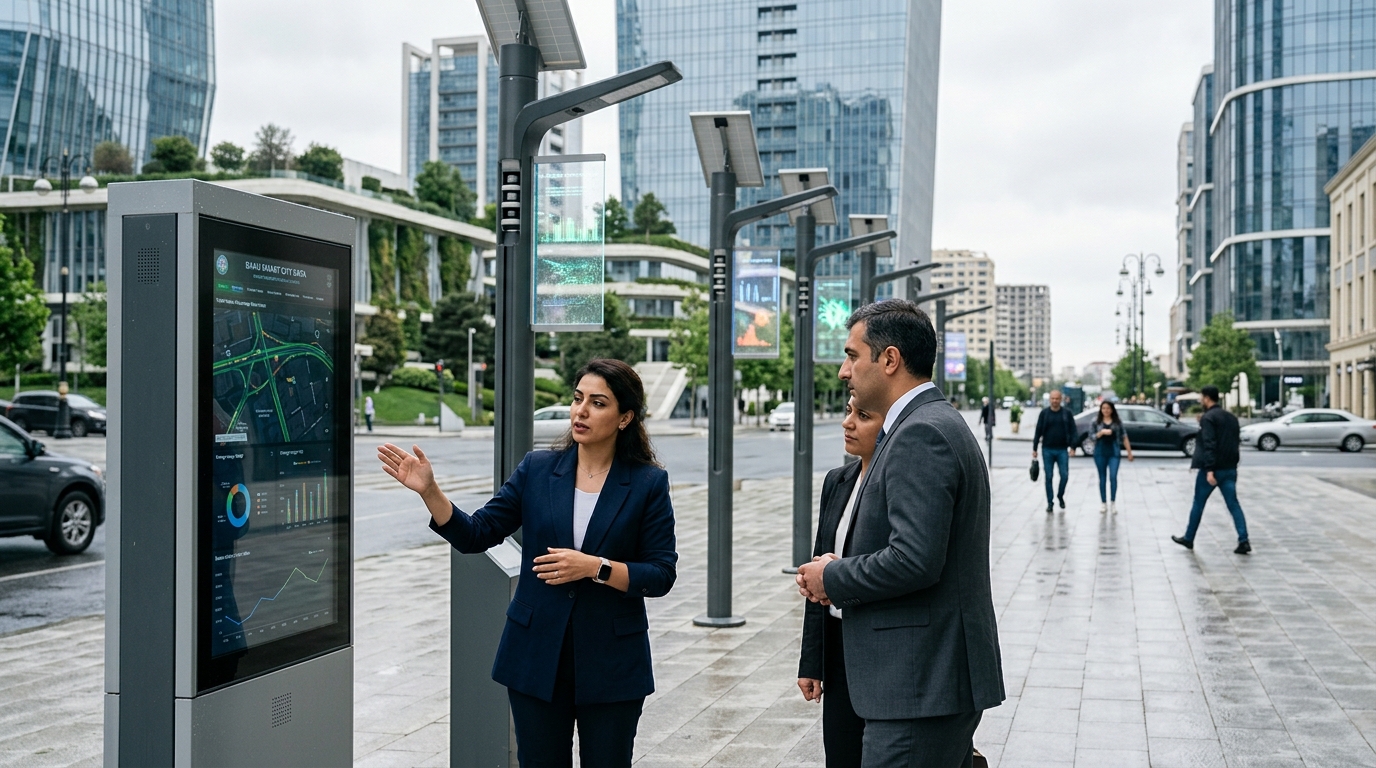
In the heart of the Caucasus, where ancient Silk Road traditions meet the digital frontier, Azerbaijan is conducting an ambitious experiment. The nation, which has heavily invested in its technological infrastructure in recent years, has become a focal point for the global conversation on how Artificial Intelligence (AI) can transform our cities into spaces that are not only 'smarter' but also more inclusive. At a recent innovation forum, a critical question emerged: Is AI the key to erasing urban inequalities, or a tool that will inadvertently widen them?
The 'Smart Village' Model and Digital Renaissance
Azerbaijan’s approach began from the ground up. The 'Smart Village' project in Aghali, located in the Zangilan district, serves as a global blueprint for how AI can revitalize regions affected by conflict or abandonment. Here, technology is not a mere ornament. AI systems manage energy consumption through smart grids, optimize agricultural yields using soil sensors, and provide telemedicine to residents who would otherwise be isolated from quality healthcare.
This 'decentralized intelligence' demonstrates that smart cities do not have to be limited to metropolises of millions. Inclusivity starts with geographical accessibility. AI enables smaller communities to access capital-city-level services, reducing the pressure of internal migration and decompressing large urban centers. It suggests a future where the quality of life is not dictated by one's proximity to a central business district.
"The smart city of the future is not judged by how much data it collects, but by how effectively it uses that data to improve the life of its most vulnerable citizen."
AI and Social Inclusion: Breaking Barriers
One of the most compelling takeaways from the developments in Baku is the use of AI to enhance urban accessibility. For people with disabilities, the urban environment is often a labyrinth of obstacles. AI can analyze real-time data from cameras and sensors to suggest wheelchair-accessible routes, adjust traffic light timings for those with reduced mobility, and provide auditory descriptions of surroundings for the visually impaired via augmented reality applications.
Furthermore, AI is being deployed to analyze social needs. Through predictive algorithms, municipal authorities can identify neighborhoods at risk of energy poverty or urban decay before the problems become irreversible. This proactive governance is the essence of inclusivity: technology acts as a safety net, ensuring that no citizen is left behind by the rapid pace of change. It moves the needle from reactive maintenance to anticipatory care.
The Ethical Labyrinth: Privacy and Surveillance
However, the path to a digital utopia is fraught with risks. The extensive use of sensors and ubiquitous cameras raises serious questions regarding privacy and civil liberties. In Azerbaijan, as in many nations rapidly adopting these technologies, the fine line between 'security' and 'surveillance' remains blurred. The same AI that identifies a road accident is the same AI capable of tracking the movements and associations of citizens.
Inclusivity also requires a fight against algorithmic bias. If the data used to train a city's AI reflects existing prejudices—such as those against specific ethnic groups or social classes—then the 'smart' city will end up automating discrimination. Experts emphasize that algorithmic transparency and public participation in the design phase are essential prerequisites for AI to be truly democratic and equitable.
Global Implications for the Urban Future
The Azerbaijani experience teaches us that technology is a double-edged sword. On one hand, it offers unprecedented opportunities for efficiency, resource conservation, and care for the marginalized. On the other, it demands a robust institutional framework to protect human rights. The cities of the future will not be smart because they possess faster processors, but because they have successfully integrated human empathy into their algorithmic DNA. The challenge for Baku, London, New York, or Athens is identical: to use AI to build bridges, not walls.