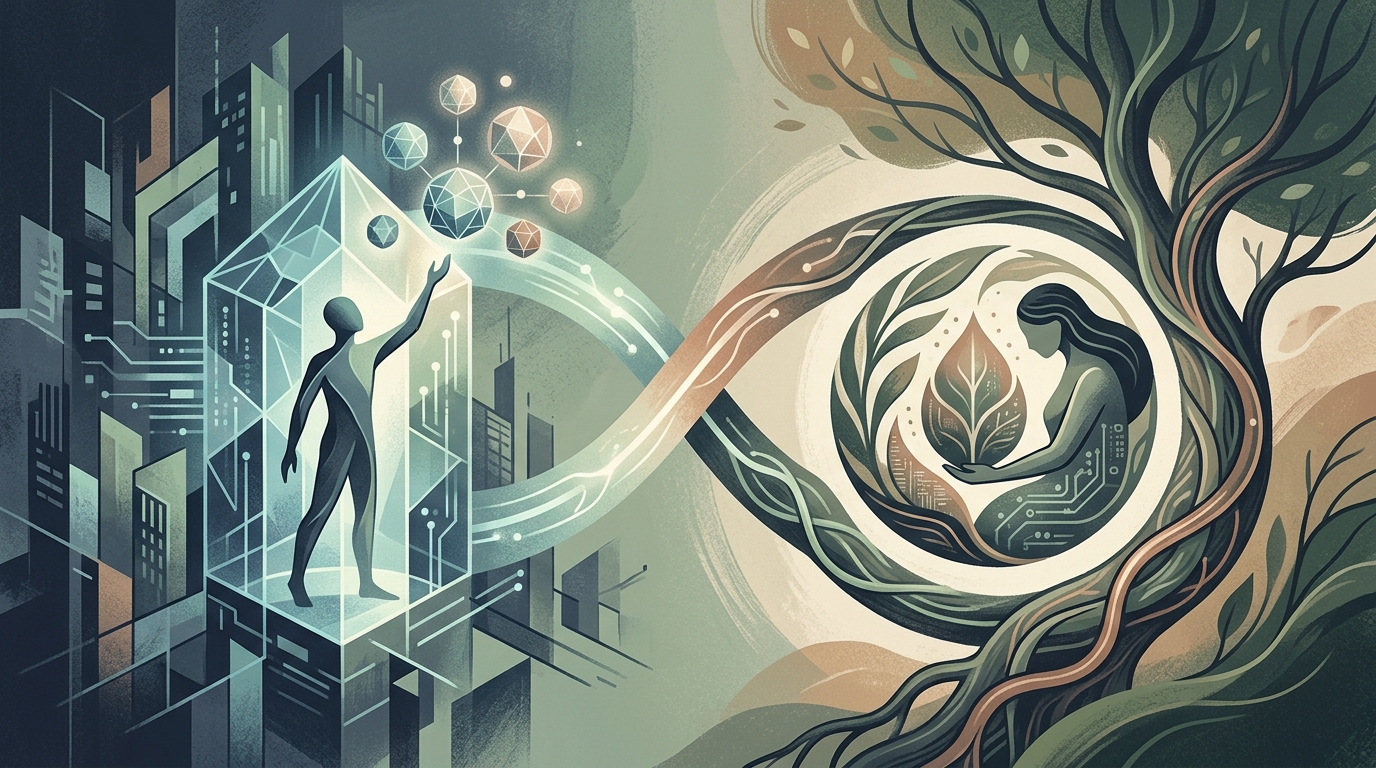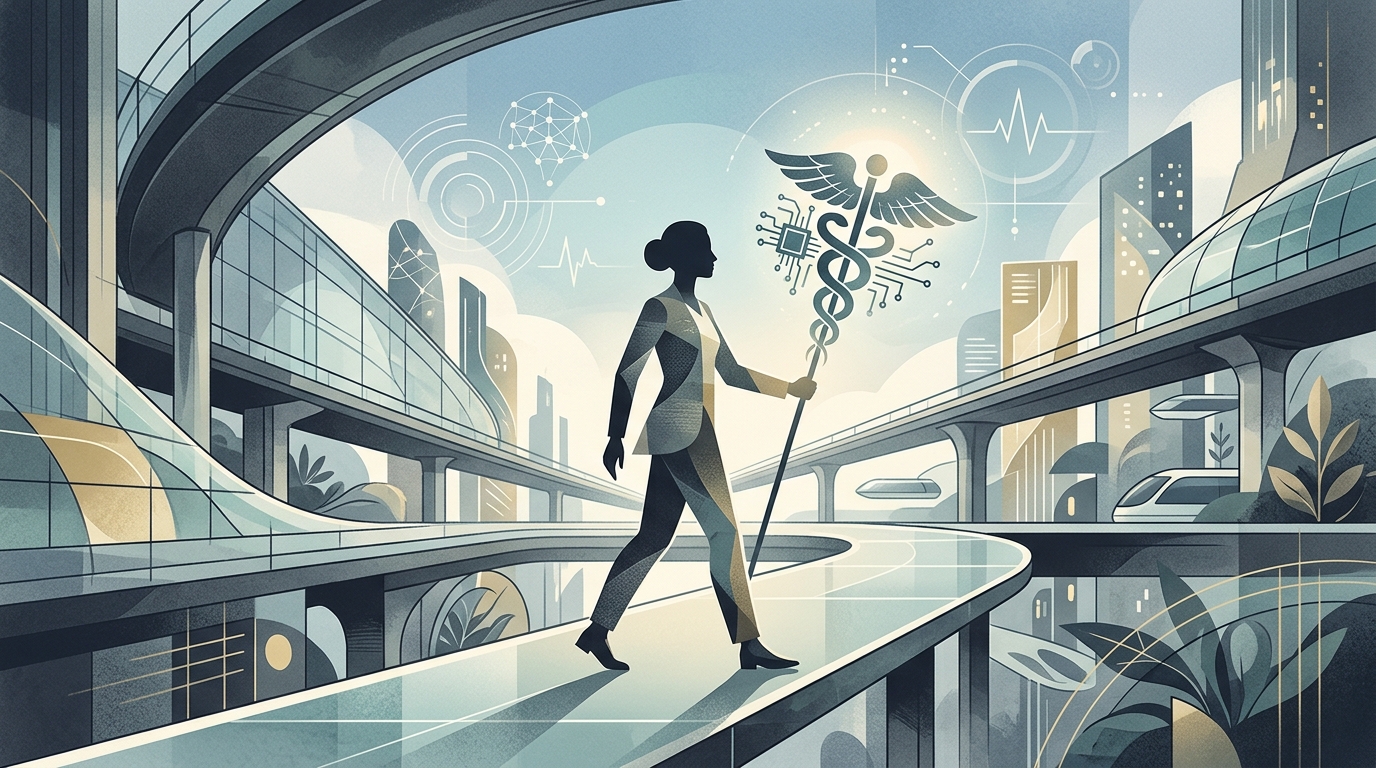
The concept of a "career" as a linear ascent up a corporate ladder is nearing its end. According to recent Gartner analyses discussed in HR Dive, artificial intelligence is not merely going to automate tasks; it is set to "break down" millions of traditional careers, forcing employees and organizations to reinvent the very nature of employment. As we navigate through 2026, the promise of AI for productivity is transforming into an existential challenge for the global workforce.
The Decomposition of Tasks and the Collapse of the 'Ladder'
For decades, professional advancement was based on mastering specific skills that led to predefined roles. Gartner argues that AI is deconstructing these roles into their constituent parts. When a machine can perform 60% of the tasks of a data analyst or a legal consultant, the remaining role is no longer the same. What we are witnessing is the transition from "job management" to "skills management."
Analysts point out that traditional job descriptions are becoming obsolete. Instead of a fixed position, workers will be called upon to act as "orchestrators" of various AI tools, moving from project to project. This fluidity, while offering flexibility, destroys the security provided by the old model of a lifelong career in a specific field.
The Challenge of the 'Half-Life' of Skills
One of the most concerning findings of the report involves the speed at which skills become obsolete. The "half-life" of a technical skill has now dropped to less than five years. This means that a worker starting their career today will see their knowledge become outdated at least three to four times during their working life.
- Continuous reskilling is no longer optional but a prerequisite for survival.
- Companies must invest in internal talent marketplaces based on skills rather than titles.
- Emotional intelligence and critical thinking are emerging as the only "fortresses" against automation.
Gartner warns that organizations that persist in old hierarchy models will face mass resignations and talent shortages, as the most capable workers will seek environments that allow for hybrid collaboration with technology.
The Role of HR in the New Era
The Human Resources (HR) department is at the forefront of this crisis. HR managers are called to become architects of change, designing workflows that integrate AI without alienating humans. The challenge is two-fold: on one hand, leveraging technology to reduce costs, and on the other, maintaining work ethics and the mental health of employees who see their professional future shaken.
"This is not a simple replacement of humans by robots, but a complete reorganization of what it means to have a career in the 21st century," the report states.
In this context, the concept of "employability" is replacing "job security." The worker of the future is a lifelong learner, an agile professional defined not by their degree but by their ability to adapt to an environment changing at a geometric rate.
Conclusion: The Need for a New Social Contract
Gartner's warning is a wake-up call. The "breaking down" of careers could lead to a new era of creativity and liberation from repetitive tasks, but it carries the risk of social destabilization. A collective effort from governments, educational institutions, and businesses is needed to ensure that the transition to the new AI economy is conducted on terms of fairness and inclusion. Technology must serve humanity, not turn it into a disposable component of an algorithm.