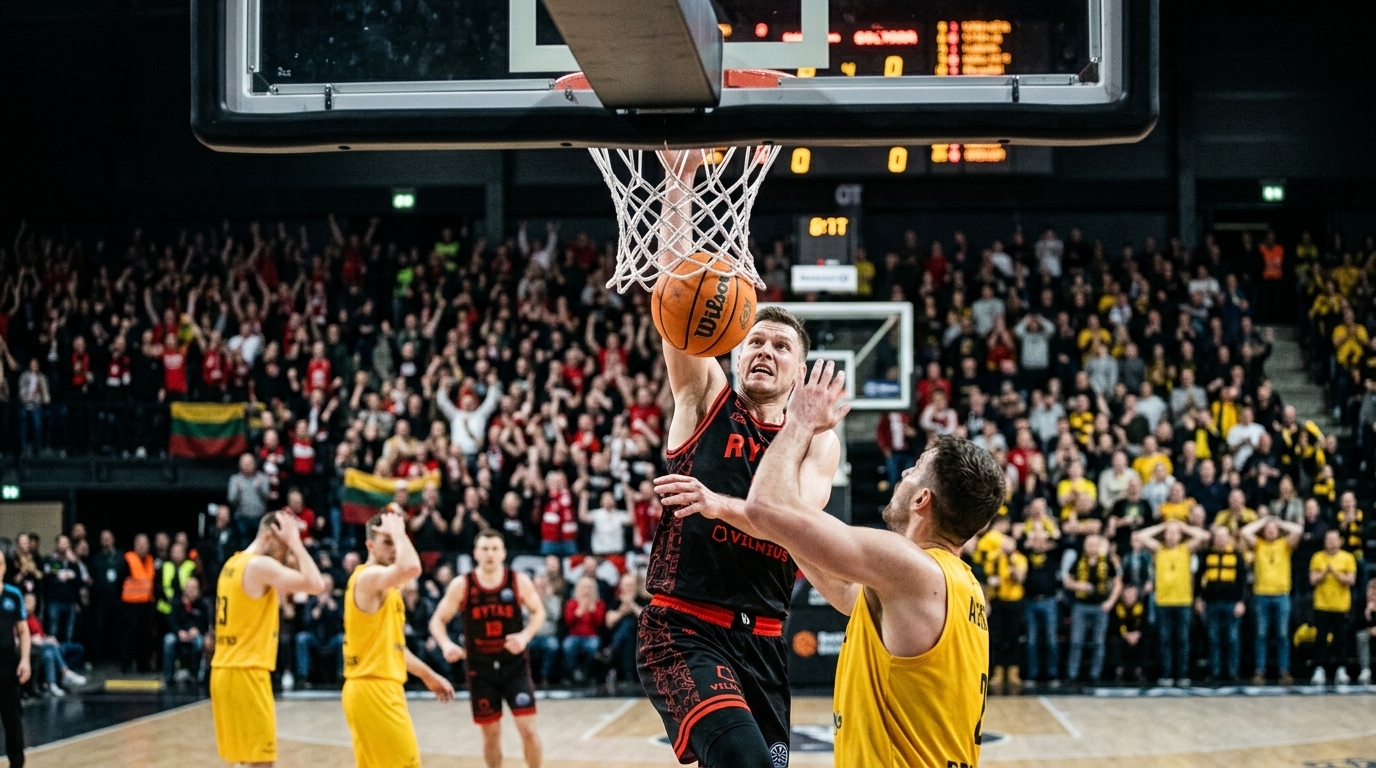
Sports, in their purest and harshest form, are a game of managing emotions and seconds. For AEK Athens, the 2026 Basketball Champions League (BCL) final against Rytas Vilnius will be remembered not for their dominance over thirty minutes, but for how the sand in the hourglass of success slipped through their fingers in overtime. The final 86-92 score in favor of the Lithuanians does not merely record a result; it marks the conclusion of a journey that touched perfection only to end in a didactic tragedy.
Anatomy of a Collapse: From Triumph to Overtime
The 'Union' entered the arena with the gaze of a hungry predator. For three quarters, the coach's plan worked with surgical precision. The defense stifled Rytas' key players, fast breaks provided easy points, and the lead seemed to stabilize in double digits. However, basketball is a game of rhythm, and rhythm is a fickle mistress. In the fourth quarter, fatigue began to cloud the minds of the AEK players. Poor offensive choices and missed free throws allowed Rytas to believe in a comeback.
The 'blackout' cited by analysts was not only mental but also tactical. Rytas, a team with a deep tradition of never surrendering, began pressing full-court, forcing AEK into successive turnovers. The equalizer at the end of regulation was the psychological coup de grâce. In overtime, the momentum had completely shifted. The Lithuanians, their confidence soaring, hit big shots, while AEK seemed to be chasing ghosts on the hardwood.
The Technological Dimension: Analytics and Fatigue Prediction
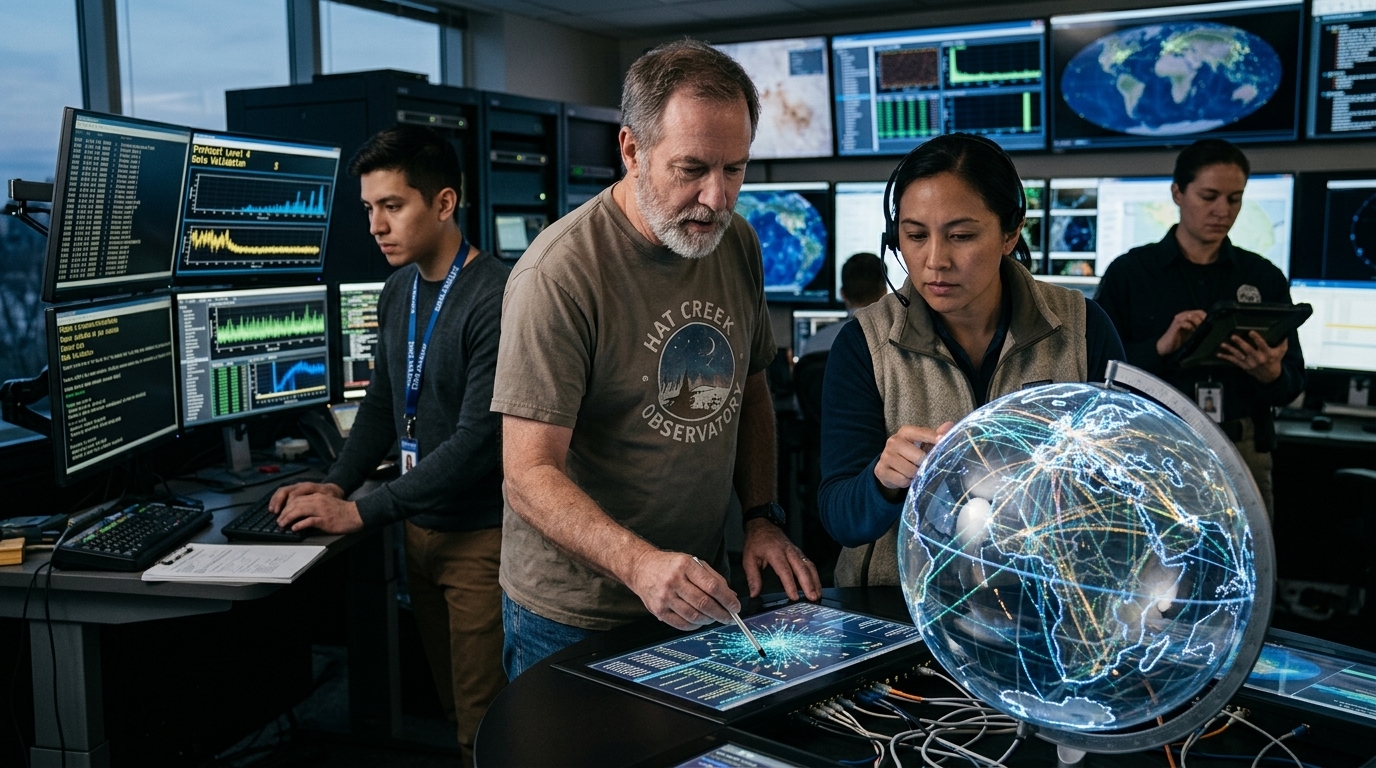
In the modern era of sports, such a defeat is no longer analyzed solely in terms of 'heart' or 'grit.' Data collected from player sensors indicated that lactic acid levels and decision-making speed for AEK had begun to decline as early as the middle of the third period. This is where the future of European basketball lies: the ability of coaching staffs to utilize real-time Artificial Intelligence to predict these blackouts before they manifest.
- A 25% drop in free-throw accuracy during the final five minutes of regulation.
- A doubling of unforced errors under pressure after the 35th minute.
- A lack of bench depth that prevented the necessary rotation to maintain high energy levels.
Rytas, conversely, utilized a more balanced rotation, keeping their core players fresh for the final assault. This human resource management strategy, supported by advanced algorithmic models, proved more potent than the home-court advantage and the passion of the Greek side.
The Future of the BCL and AEK's Standing
"Loss is the best teacher, but the tuition is often very expensive," the AEK captain remarked after the game.
Despite the disappointment, AEK's run to the final is proof that Greek basketball remains competitive at the highest level. The Basketball Champions League continues to gain ground against the EuroLeague, offering a fairer and more open competitive system where national champions take center stage. For AEK, the road ahead requires reorganization. Investing in infrastructure, further integrating sports analytics, and strengthening the roster with players capable of withstanding the pressure of major finals are the necessary steps forward.
The 2026 final was not just a game. It was a reminder that in sports, as in life, the fine line between glory and agony is determined by the ability to remain focused when everything around you is crumbling. AEK lost a battle, but their strategy for the future will determine if they win the war for a permanent place among the European elite.