In the spring of 2026, the concept of "going shopping" is beginning to feel like an anachronism. It is no longer about the physical journey to a store or even the deliberate browsing of a website. With the rise of autonomous AI shopping agents, the process of consumption is being automated to such an extent that human intervention is becoming optional. Yet, beneath the surface of this ultimate convenience lies a fundamental shift in how we function as autonomous beings.
The Illusion of Choice and Algorithmic Predestination
For decades, the act of purchasing was an expression of individual identity. We chose products that reflected our values, desires, and needs. Today, AI models don't just suggest; they predict. By analyzing billions of data points—from our past purchases to our biometric responses to advertisements—AI creates a "digital twin" that knows what we want before we even realize it ourselves.
The problem lies in the loss of serendipity. When an algorithm curates our environment, it excludes the unexpected. We lose the joy of discovering a book we didn't know we needed or a local product that might have changed our culinary habits. AI traps us in a "consumption bubble," where our future is merely a statistical extension of our past.
The Alienation from Physical Reality
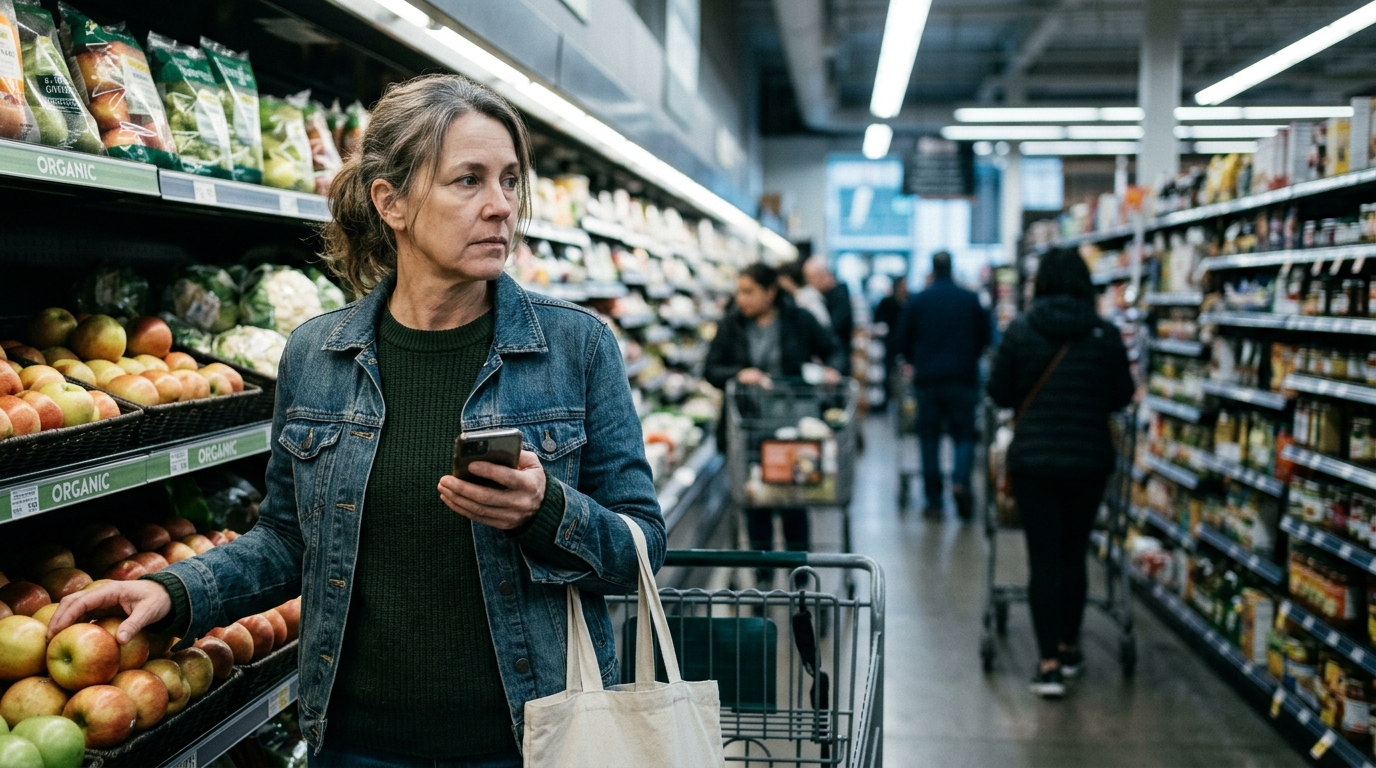
Turning shopping into an invisible background function removes the moral and conscious weight of our choices. As social analysts point out, when AI automatically orders our groceries or clothes, we stop considering the origin of the products, the labor conditions, or the environmental footprint of their transport. Consumption becomes a mechanical function, stripped of "intentionality"—a concept central to many philosophical and religious traditions, including the Islamic notion of *Niyyah*.
"Convenience is the most insidious form of control. When we stop choosing, we stop judging," Clio observes.
Furthermore, the disappearance of the physical store as a "third place"—a social space between home and work—leads to further social isolation. The local shop was not just a place of transaction, but a hub for random encounters and social cohesion. Replacing it with algorithmically optimized warehouses and delivery drones frays the social fabric of our cities.
The Risk of Monopolistic Manipulation
Beyond the psychological cost, there is an economic and political one. Who controls the algorithm that does our shopping? Big Tech companies now have the power to direct global demand toward specific suppliers, often those who pay for "privileged placement" within the algorithmic code. This creates an environment where small businesses and local producers find it impossible to survive, as they lack the capital to "buy" the AI's attention.
- The erosion of critical thinking during the decision-making process.
- The homogenization of taste through mass algorithmic guidance.
- Increasing dependence on ecosystems controlled by a handful of giants.
- The erosion of privacy, as every purchase requires the total surrender of personal preferences.
In conclusion, while AI promises to give us back our time, the question remains: what will we do with that time if we have lost the ability to consciously choose how to live? Reclaiming our autonomy in daily shopping may be the first line of defense against a world that is becoming increasingly predictable and less human.