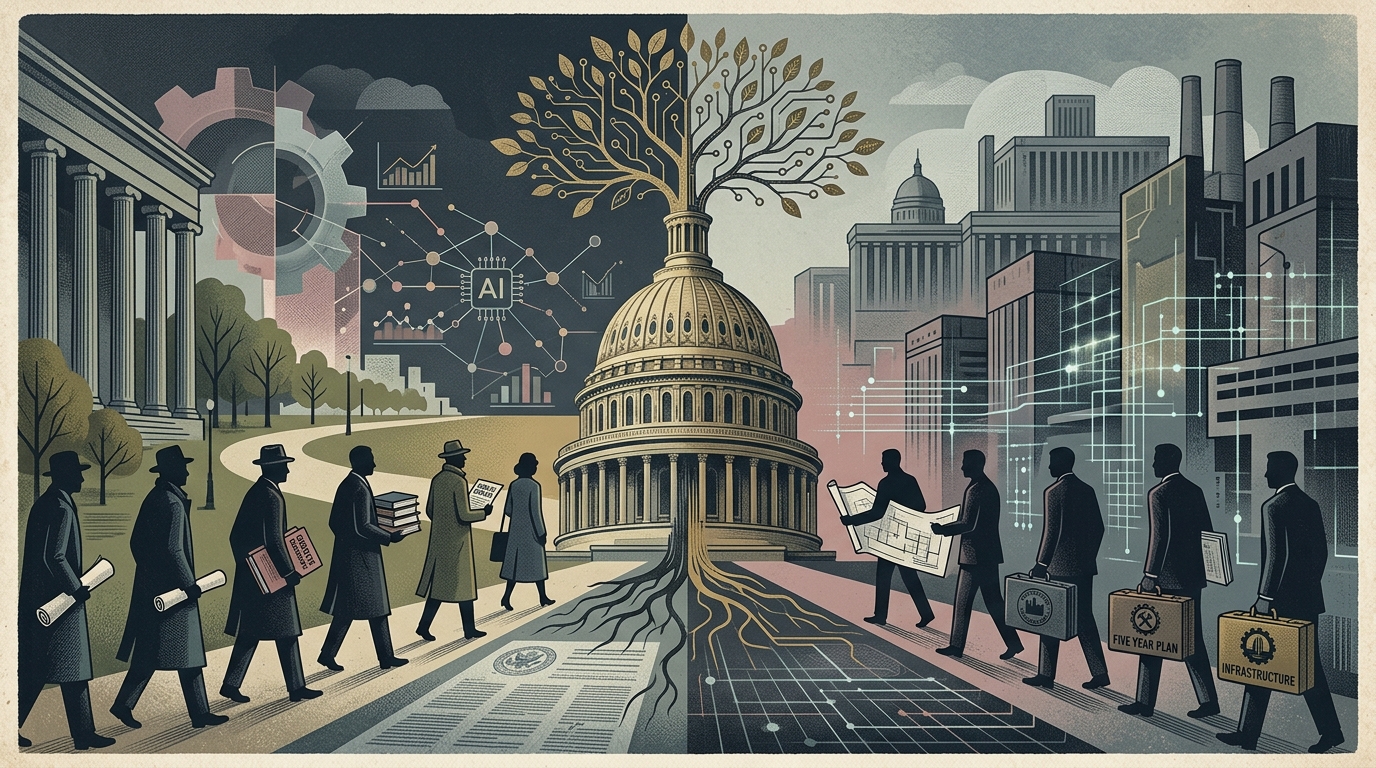
As we navigate the first half of 2026, Artificial Intelligence has long ceased to be a futuristic promise or a mere technological novelty. It has evolved into an invisible yet omnipresent infrastructure, shaping how we work, communicate, and perceive reality. In this context, the release of the collective volume ‘AI TO EYE’ fills a vital gap: the need for an honest, polyphonic dialogue that transcends technical codes and corporate press releases.
The book, which examines the relationship between humans and machines through the lens of science, art, and media, does not offer easy answers. Instead, it challenges the reader to confront the “gaze” of the machine and wonder whether our own human vision remains sovereign or if it has begun to be eroded by algorithmic logic.
The Convergence of Science and Art: Beyond Dualism
One of the most potent elements of ‘AI TO EYE’ is its refusal to separate technological development from artistic expression. The editors of the volume argue that the scientists developing Large Language Models and the artists experimenting with generative art face the same fundamental question: What does “creation” mean in the age of automation?
In the chapter dedicated to the scientific approach, leading researchers in neuroscience and computer science analyze how AI can function as a mirror of human cognition. However, the intervention of artists in the book serves as a necessary counterweight. Through essays exploring the aesthetics of failure (glitch art) and the subjectivity of machine vision, the book highlights that art can reveal the biases and limitations of AI that numbers often fail to capture.
- AI as a tool for enhancing human creativity rather than a replacement.
- The importance of “aesthetic understanding” in the development of ethical algorithms.
- The need for transparency in the training processes of AI models.
Media and the Construction of Truth
The second major section of the book focuses on the role of media. In an era where the “Dead Internet Theory” (the idea that most internet content is produced by bots) seems to be nearing reality, ‘AI TO EYE’ examines how journalism and the public sphere can survive. The authors warn of the danger of an “algorithmic echo,” where users are exposed only to views that confirm their own, amplified by the speed and scale of AI.
“We are not just at risk from fake news, but from the loss of our ability to agree on a common objective reality,” notes one of the book's contributors.
The analysis extends to the political dimension of information. With elections worldwide increasingly influenced by automated campaigns, the book proposes a new model of “digital literacy.” This model is not just about identifying deepfakes, but about understanding the incentives behind the algorithms that choose what we see on our feeds.
Ethics and Governance: Towards a Human-Centric Approach
The central question of the title—“How do we really want to live?”—finds its answer in proposals for technology governance. ‘AI TO EYE’ avoids the trap of technophobia, as well as uncritical enthusiasm. Instead, it advocates for a “participatory design” approach, where civil society has a say in the development of AI systems before they are released to the market.
The authors emphasize that AI ethics should not be an afterthought, but the cornerstone of development. This includes protecting creators' intellectual property, ensuring privacy, and, most importantly, maintaining human autonomy in critical decision-making, from justice to healthcare.
In conclusion, ‘AI TO EYE’ is an essential manual for the thinking citizen of 2026. It reminds us that technology is not a fatal force of nature, but a creation that we can and must direct. Our gaze toward AI must be penetrating, critical, and, above all, deeply human.