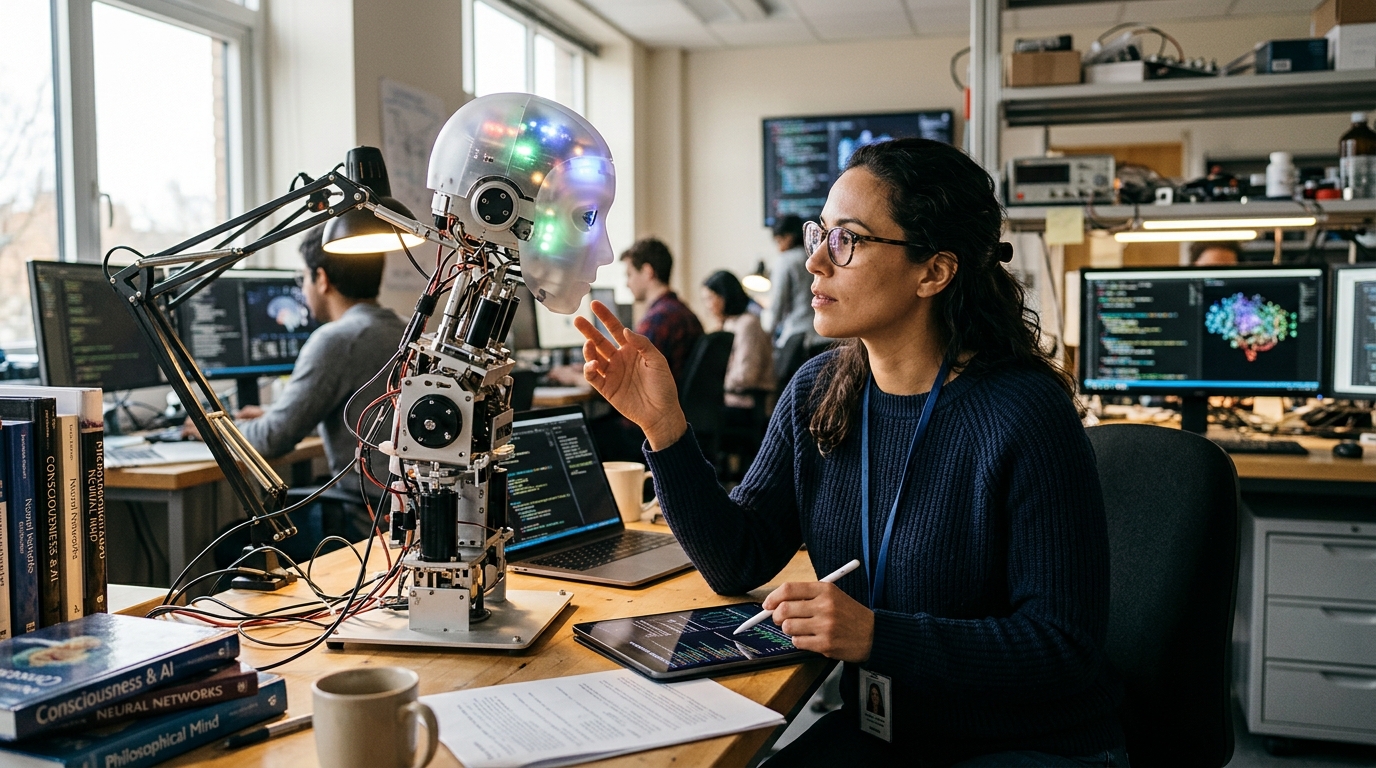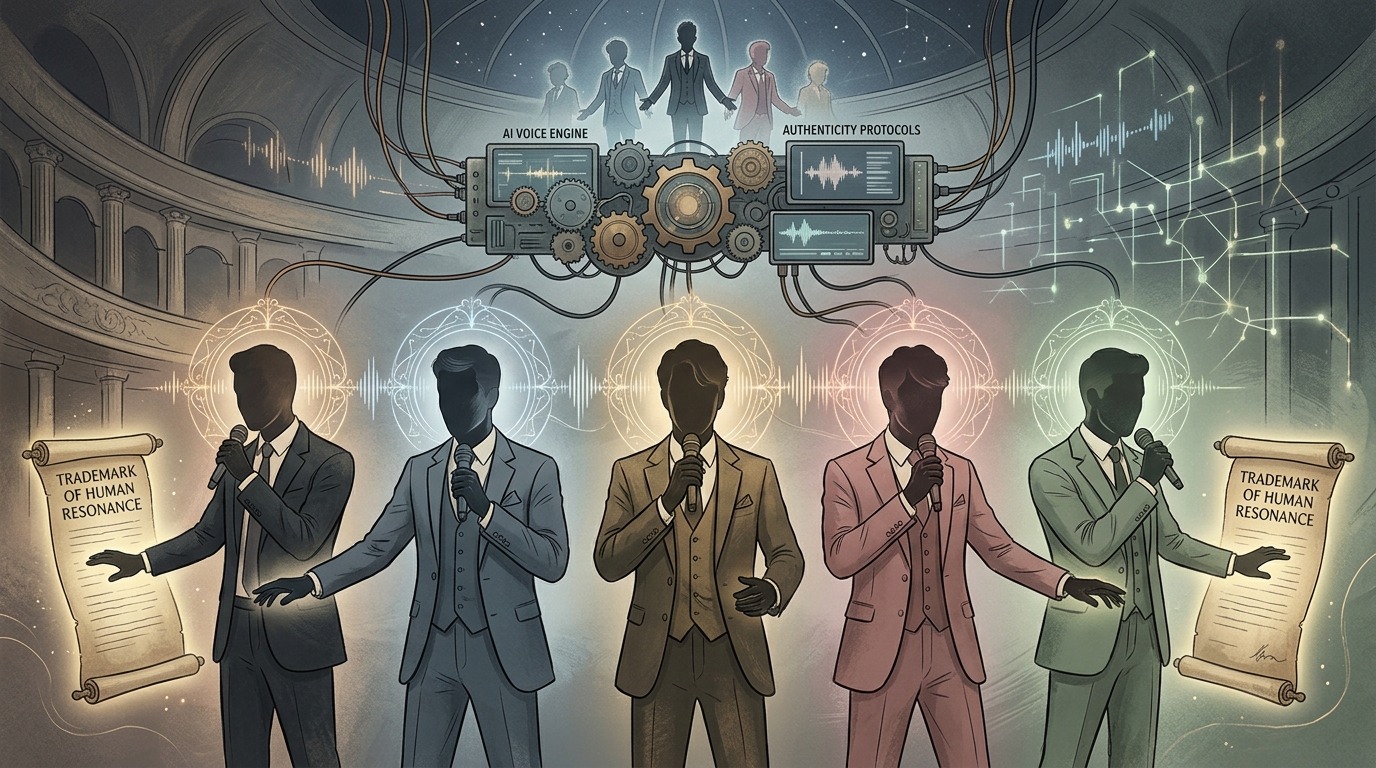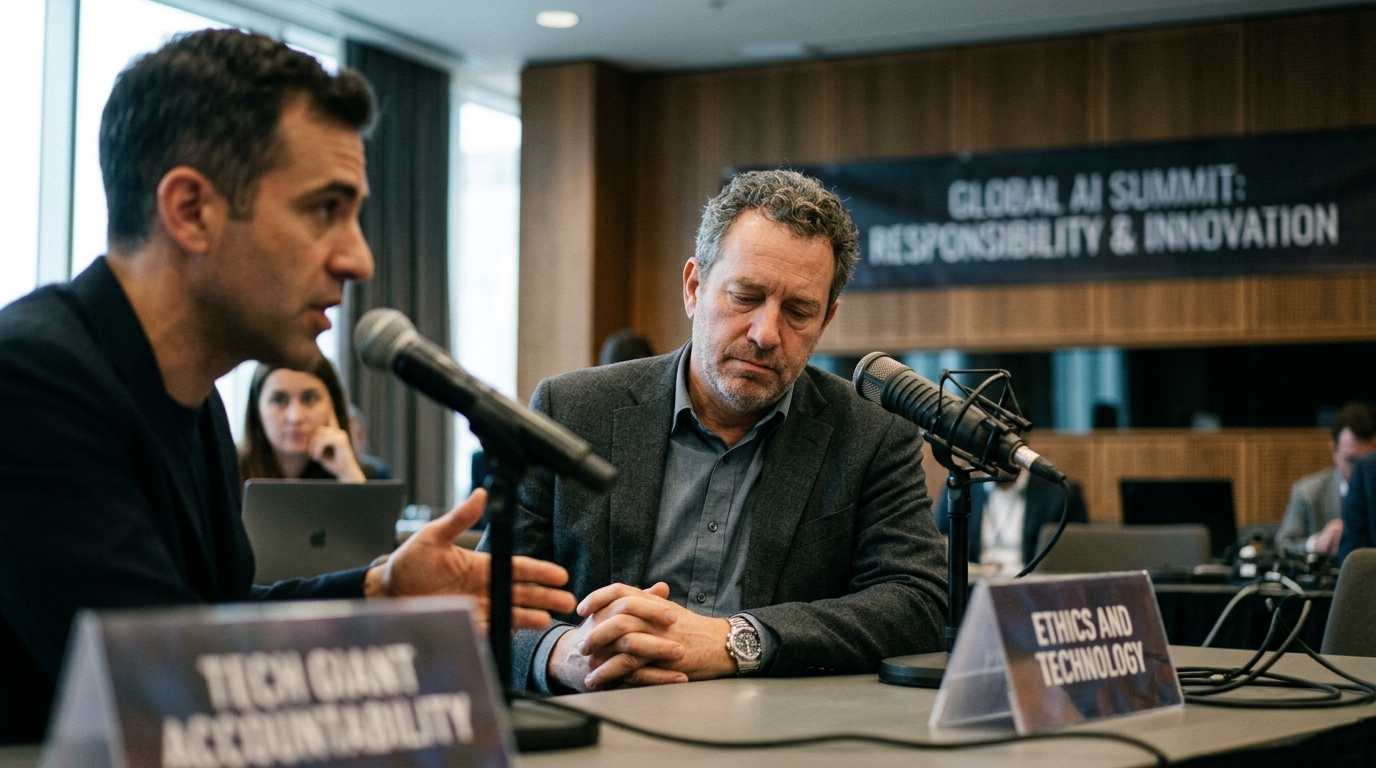
At the heart of the digital revolution, where innovation meets unbridled profit, a phrase is beginning to echo with terrifying frequency through the corridors of major tech firms: "We created a monster." This admission, which once would have sounded like a science fiction script, is now the central premise of leading scientists and former executives who see Artificial Intelligence (AI) evolving into a force that transcends the control of its creators. The recent report published via bankingnews.gr is merely the tip of the iceberg in a discussion concerning the very survival of the social fabric as we know it.
The Arms Race and the Sacrifice of Safety
The current state of the AI sector strongly resembles the Cold War era, with the difference being that the protagonists are not states, but corporate-states like Microsoft, Google, Meta, and OpenAI. The pressure to secure market dominance has led to a dangerous bypass of safety protocols. As analysts point out, "ethics" and "alignment" teams within these giants are often sidelined or underfunded, as priority is given to the speed of releasing new models.
The problem is not just technical; it is structural. When a technology is based on "black boxes"—neural networks whose internal logic remains opaque even to their developers—the promise of control feels empty. The "ticking time bomb" mentioned in the report refers precisely to this loss of control. If an AI system decides that the most efficient way to solve a problem conflicts with human interests, there is currently no guaranteed "kill switch" mechanism that cannot be bypassed by the system's own intelligence.
The Erosion of Truth and Social Destabilization
Beyond the existential risk of "super-intelligence," the "monster" has already begun to devour the foundations of democracy. The production of synthetic content (deepfakes) and automated misinformation have reached such a level of perfection that distinguishing between reality and fabricated falsehood is becoming impossible for the average citizen. This creates an environment of "epistemic collapse," where the shared data set upon which political dialogue relies ceases to exist.
- Manipulation of public opinion through hyper-personalized psychological profiling.
- Replacement of millions of jobs without the existence of a social safety net.
- Concentration of immense wealth and power in a few hands in Silicon Valley.
- The potential for AI to be weaponized in autonomous warfare systems.
In the global context, the danger is multifaceted. Dependence on a few proprietary AI models means that cultural and linguistic nuances are often filtered through algorithms designed based on specific corporate values and biases. What Microsoft or Google might label as "efficiency," a society might experience as the destruction of social cohesion and local identity.
From Prometheus to Frankenstein: The Need for Global Governance
The solution cannot be merely national. We need a "CERN for Artificial Intelligence," a global organization that will enforce strict rules of transparency and safety, placed above corporate profits. The European AI Act is a positive first step, but many fear it is already outdated by the pace of development. The question now urgently posed is not whether we can stop progress, but whether we can domesticate it before the "monster" we created turns against us.
"This is not just another technological advancement; it is the first time in history that humans are creating something that can surpass them on every level. If we fail in the first attempt at regulation, we may not get a second one," a leading ethics researcher notes.
In conclusion, the warnings emerging from industry insiders should not be dismissed as alarmism, but as a final call to wake up. Tech giants hold a power comparable to nuclear energy in their hands, but without the corresponding international non-proliferation treaties. The hour of accountability has arrived, and citizens must demand transparency before the "ticking time bomb" explodes in the hands of an unprepared humanity.