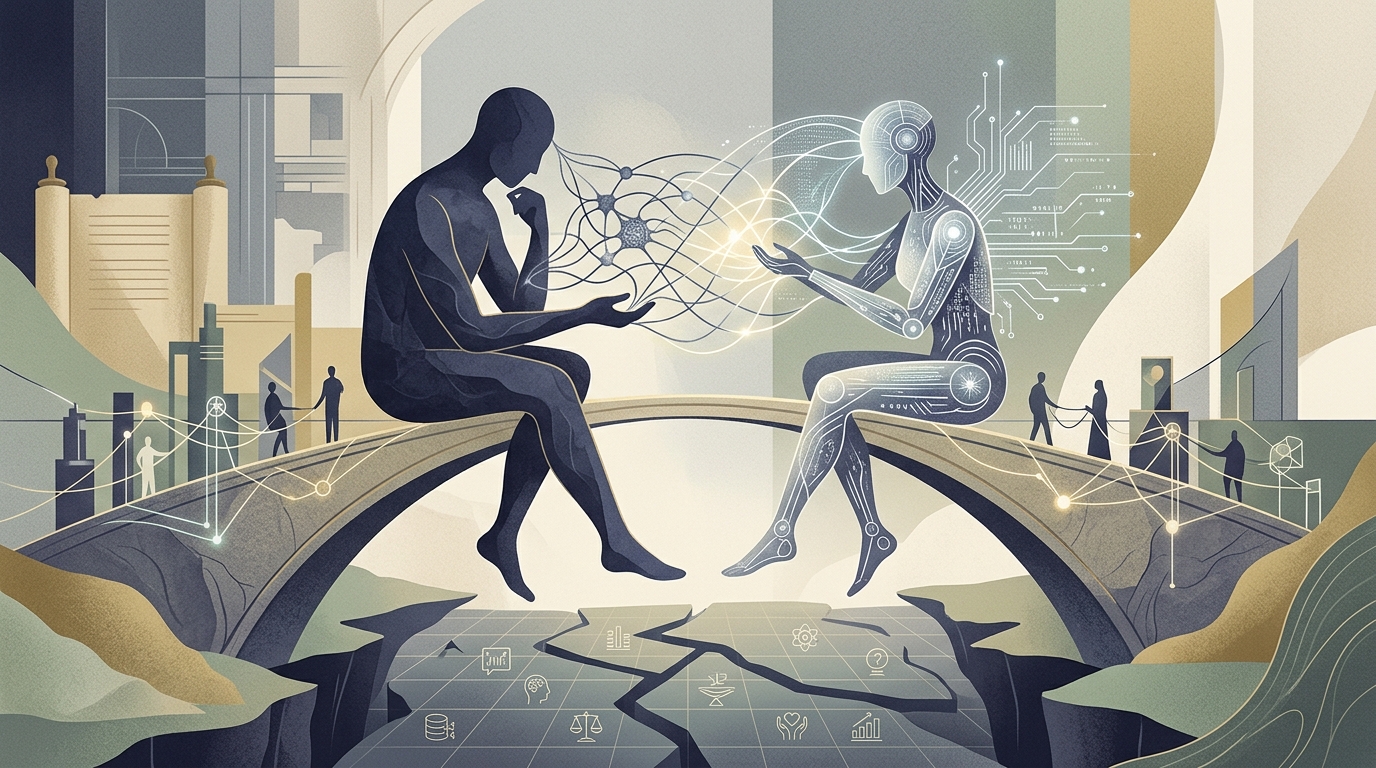
In the lecture halls of the world's leading veterinary schools, a quiet revolution is underway. While the traditional values of clinical examination and empathy remain the cornerstone of education, the students of 2026 find themselves facing a new, powerful partner: Artificial Intelligence (AI). Recent surveys and opinion pieces from the American Animal Hospital Association (AAHA) reveal a complex mosaic of emotions ranging from excitement over diagnostic precision to anxiety about the potential erosion of clinical intuition.
The Promise of Digital Precision
For the modern veterinary student, AI is no longer science fiction but a tool that promises to reduce the administrative burden and enhance diagnostic capabilities. In radiology and pathology, deep learning algorithms can now identify anomalies that often escape the human eye, especially after an exhausting 12-hour shift. Students see these tools as an opportunity to focus on what truly matters: treatment and the relationship with the pet owner.
"AI will not replace the veterinarian, but the veterinarian who uses AI will replace the one who doesn't," is a common academic maxim echoing through university halls.
However, this technological optimism comes with a critical caveat: transparency. Future doctors demand to know how decisions are made by the "black boxes" of algorithms, fearing that blind trust in technology could lead to medical errors for which they will bear the moral and legal responsibility.
The Ethical Tightrope and Clinical Intuition
The greatest concern expressed by the academic community involves the potential weakening of clinical judgment. Veterinary medicine is, by nature, an art based on observing signs that the patient cannot describe. There is a fear that if students rely prematurely on AI for diagnosis, they will never develop that "sixth sense" that distinguishes a seasoned clinician.
- Ethical liability in the event of a flawed algorithmic diagnosis.
- Data privacy concerns for pet owners and patient medical records.
- The risk of a "two-tier" veterinary system where advanced technology is only accessible to elite clinics.
Furthermore, the issue of euthanasia—one of the most difficult aspects of the profession—raises questions about whether AI can ever understand "quality of life" in the way a human does. Students are categorical: life-and-death decisions must remain strictly human.
Educating for a Shifting Landscape
The challenge for universities is immense. Curricula must integrate "algorithmic literacy" without displacing core biology and surgery. Students are calling for more bioethics courses focusing on technology, as well as hands-on training with AI tools under the supervision of experienced mentors. The goal is to produce graduates who are not just technicians, but critical thinkers who can navigate the digital shift.
In conclusion, veterinary students do not fear AI as an enemy; rather, they approach it with healthy skepticism. They understand that the future of animal medicine will be hybrid. The success of this transition will depend on the new generation's ability to maintain their humanity within an environment saturated with data and code.