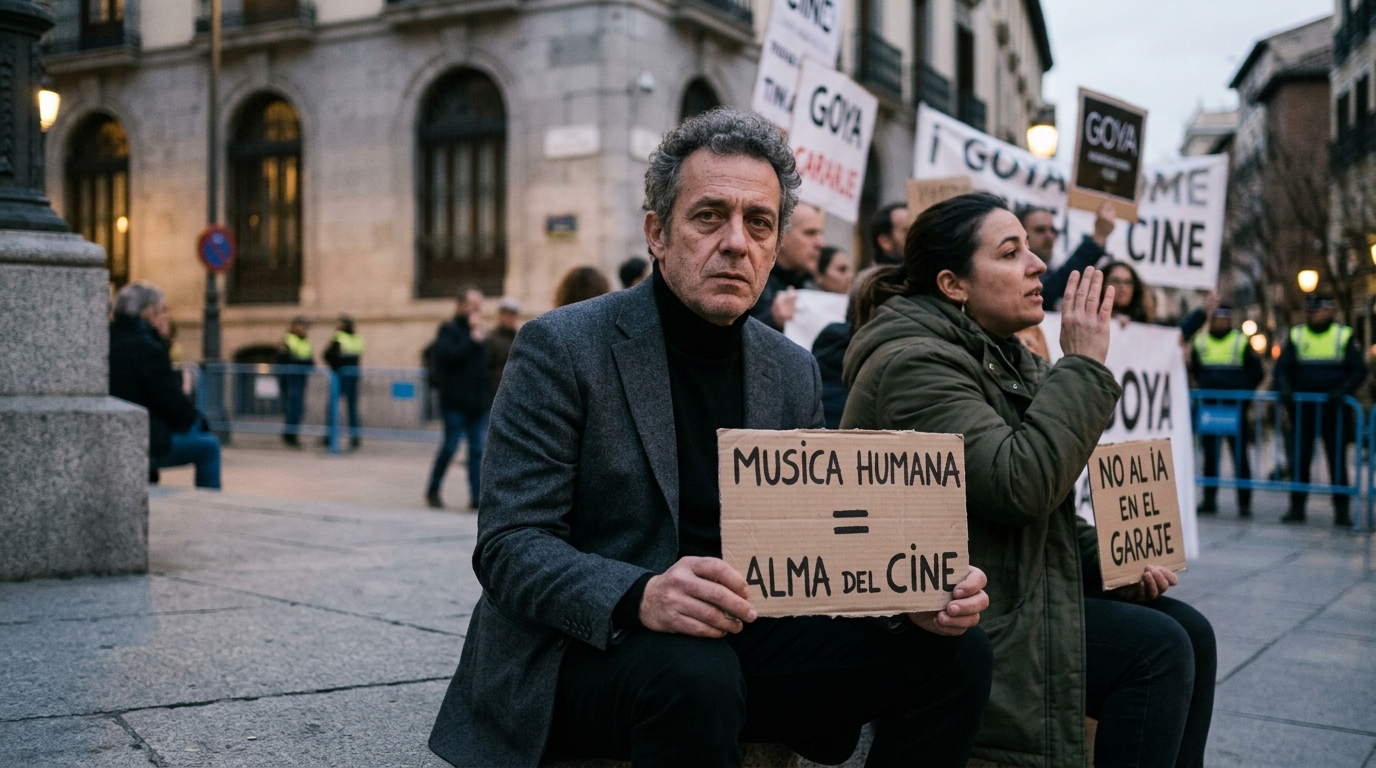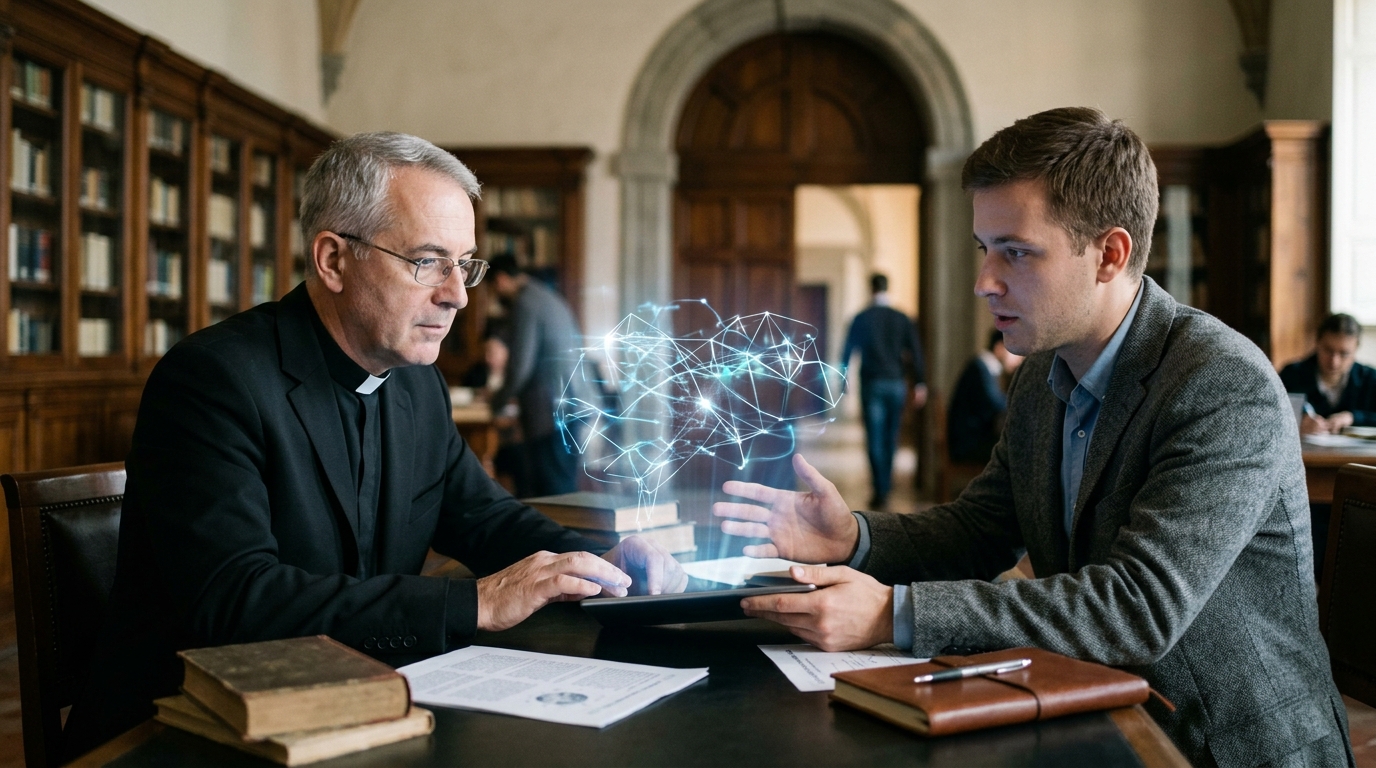
In an era where Artificial Intelligence (AI) is radically transforming social, economic, and political realities, the Vatican is intervening with a move of historic proportions. According to reports confirmed by Dnews, Pope Leo is diligently working on a new Encyclical—the highest form of teaching document in the Catholic Church—dedicated entirely to Artificial Intelligence and human values. This move is not merely a religious intervention but a global appeal to protect the human essence against the unchecked rise of algorithms.
The Emergence of 'Algorethics'
A central point of the forthcoming encyclical is expected to be the concept of 'Algorethics,' a term the Vatican has been systematically promoting in recent years. Pope Leo appears to argue that technology is never neutral. Every line of code contains the values, biases, and worldviews of its creators. The encyclical will emphasize that if AI is left to operate solely based on profit or efficiency, we risk falling into a 'dictatorship of the algorithm,' where decisions regarding people's lives, health, and labor are made by opaque systems without a moral compass.
The text is expected to focus particularly on the need for 'human-centric' Artificial Intelligence. This means that technology must be designed in a way that enhances, rather than replaces, human judgment and free will. Through this document, the Catholic Church seeks to lay the foundations for international law that ensures AI systems respect fundamental human rights and the dignity of every individual, regardless of social or economic status.
AI, Warfare, and Social Justice
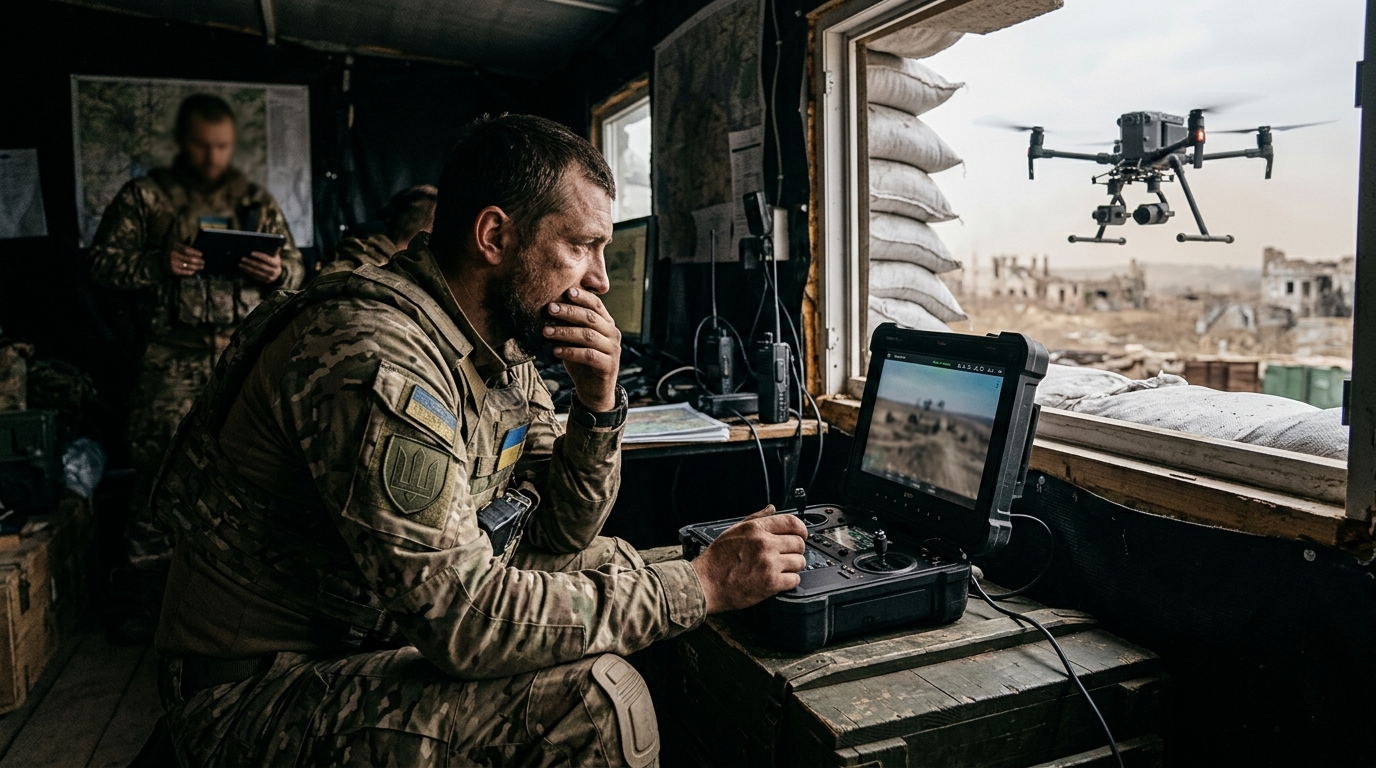
Another critical dimension of the encyclical concerns the use of AI in military applications. Pope Leo is expected to express grave concern over Lethal Autonomous Weapons Systems (LAWS), which he describes as 'soulless weapons.' The Vatican's position is clear: the decision over the life or death of a human being can never be delegated to a machine. Moral responsibility requires the presence of a human at the center of decision-making, especially in conflict scenarios.
Simultaneously, the encyclical will address the issue of the digital divide. The Pope warns that AI could exacerbate existing inequalities between the wealthy North and the developing South. If access to technology and its benefits remains the privilege of a few powerful nations and corporations, then AI will become yet another tool of exclusion and exploitation. The Vatican's proposal will focus on 'inclusive innovation,' where technology is placed at the service of the poorest populations, helping to solve problems such as hunger, climate change, and the lack of healthcare.
The Challenge of Truth in the Age of Deepfakes
Finally, the document will address the crisis of truth and trust caused by generative Artificial Intelligence. With the ease of producing fake news, deepfakes, and misleading content, the social fabric is threatened by erosion. Pope Leo will call upon the faithful and the international community to develop a 'critical digital conscience.' Education in the ethical use of technology is now considered as important as technical training.
This encyclical is not addressed only to Catholics but to every person of goodwill. It is a cry of concern for the preservation of the 'human' in a world digitizing at a dizzying pace. The Vatican, with its vast diplomatic and spiritual influence, aspires to be the mediator between technological progress and ethical responsibility, reminding us that humanity must always remain the master, and not the servant, of its creations.