In an era where Silicon Valley moves at the speed of light, one of the world's oldest institutions, the Catholic Church, is attempting to impose an ethical 'brake' on the unchecked growth of Artificial Intelligence. The anticipation for the upcoming papal encyclical on AI is not merely a religious event; it is a geopolitical and moral intervention that aspires to redefine the relationship between humans and machines.
The Birth of 'Algorethics'
The term 'algorethics', a synthesis of the words algorithm and ethics, is no longer a neologism of academic circles but the central dogma of Vatican diplomacy. Pope Francis, who has repeatedly warned against the dangers of the 'technocratic paradigm,' argues that technology is never neutral. Every line of code contains values, and every algorithm reflects the biases of its creators.
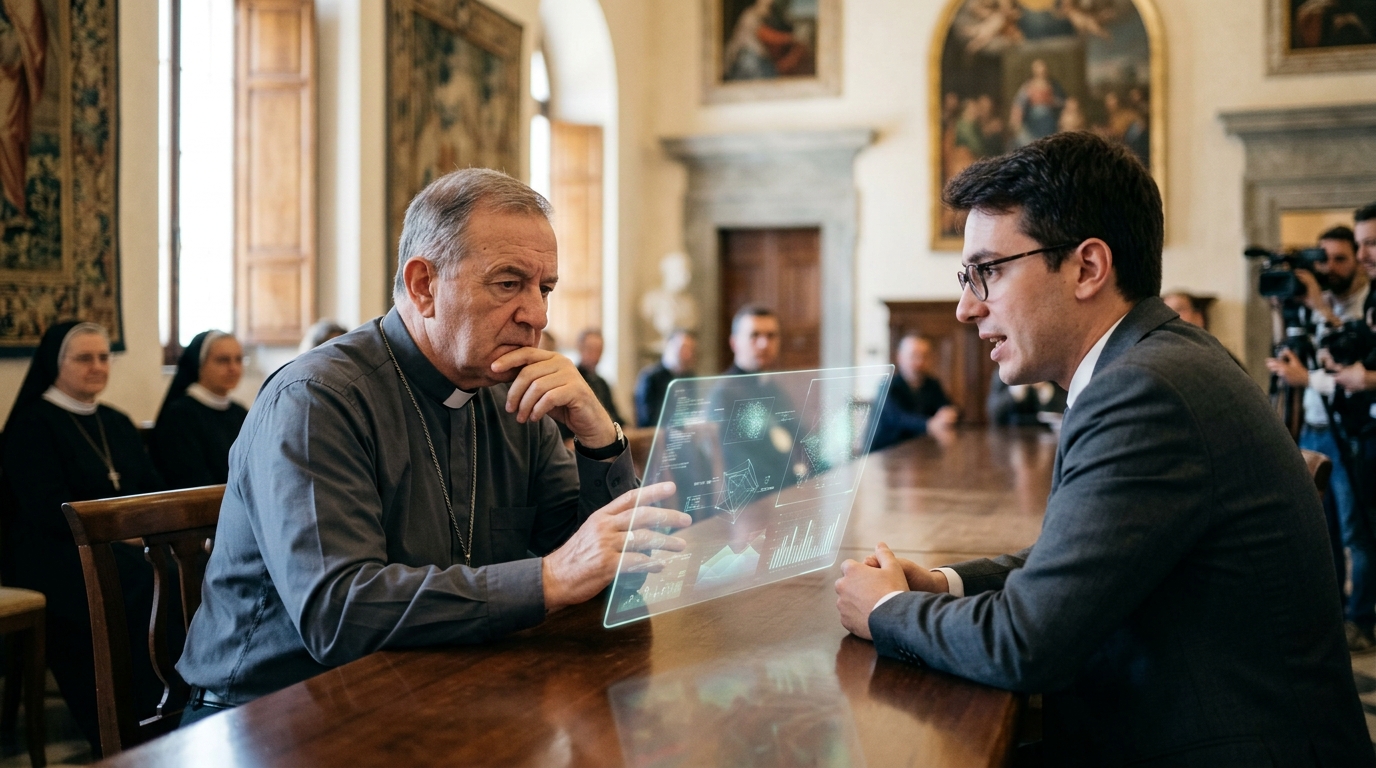
The Vatican is not limited to preaching. Through the 'Rome Call for AI Ethics,' it has managed to bring giants like Microsoft and IBM to the table, committing them to principles such as transparency, inclusion, and accountability. This strategy demonstrates a deep understanding of power: the Church knows that AI regulation cannot be left to states alone but must touch the very 'soul' of the companies developing it.
From the G7 to the Global Stage
The Pope's presence at the 2024 G7 summit was a landmark moment. It was the first time a leader of the Catholic Church participated in such a forum, and his topic was exclusively Artificial Intelligence. There, Francis posed the critical question: Will humans remain the subjects of history, or will they be turned into objects of algorithms?
The Vatican's concern focuses on three pillars: social justice, labor, and autonomous weapons systems. The Church fears that AI could widen the gap between rich and poor nations, creating a new form of 'digital colonialism.' Furthermore, the automation of decision-making in matters of life and death — such as in lethal autonomous weapons — is considered by the Vatican to be the ultimate moral failure.
"We cannot allow an algorithm to decide the fate of a human being. Dignity is not measurable with data," the Pontiff has characteristically stated.
The Upcoming Encyclical: A Roadmap for the Future
The new encyclical is expected to be a sequel to Laudato si’ (on the environment) and Fratelli tutti (on fraternity). According to sources close to the Holy See, the text will delve deeper into the concept of 'human-centered technology.' It will not be a condemnation of progress, but a call for a 'digital humanism.'
The Vatican argues that AI must serve the common good and not just profit or efficiency. This means that the design of AI systems must take into account the impact on the most vulnerable. For example, if an algorithm is used to evaluate asylum applications or to grant bank loans, Vatican ethics require absolute transparency and the possibility of human intervention.
The Challenge of Implementation
The big question remains: Can the Vatican's moral voice truly influence engineers in Silicon Valley or military planners in China? The Church's power is 'soft power.' It has no sanctions, but it has a global network of 1.3 billion faithful and a unique ability to set the agenda of public discourse.
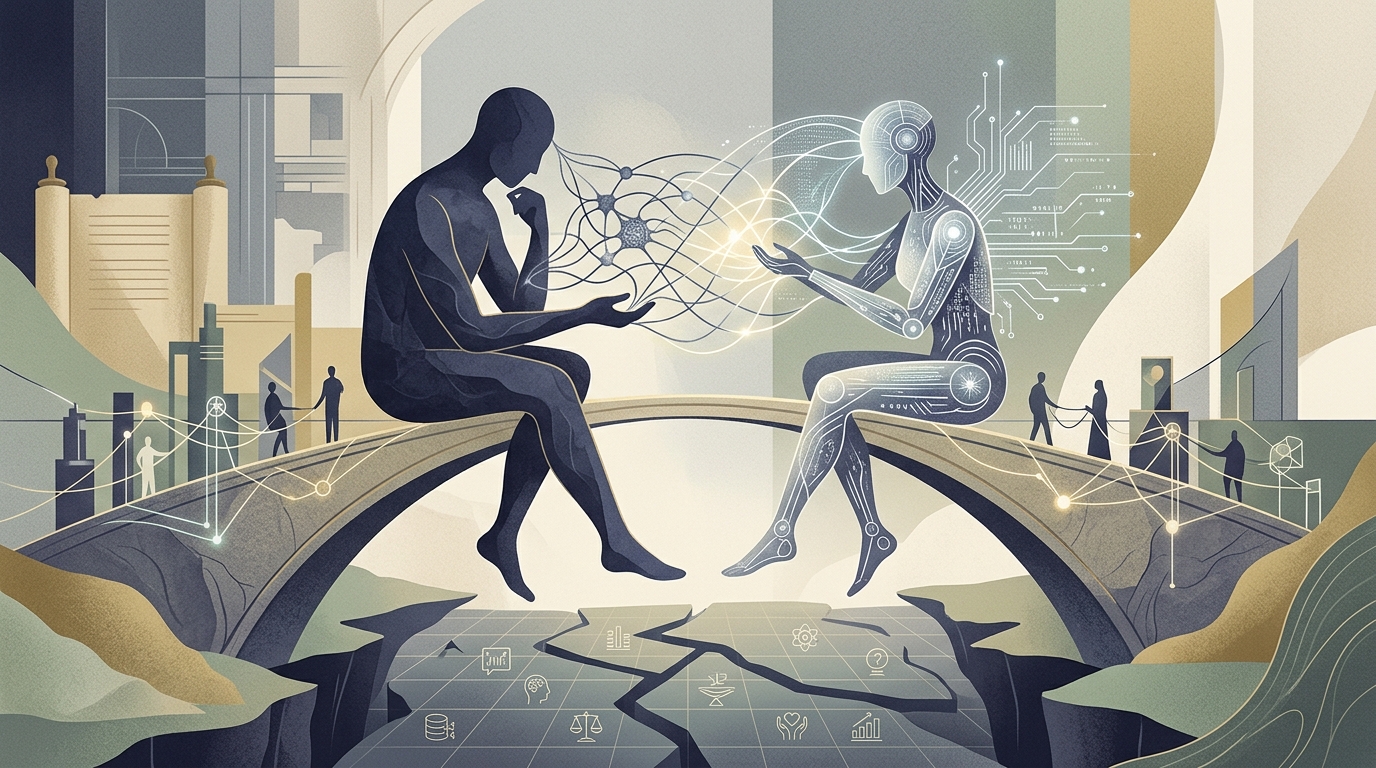
In a world divided by technological supremacy, the Vatican's proposal for a global 'algorethical governance' may be the only bridge between different cultural and political approaches. The upcoming encyclical will not be addressed only to Catholics, but to every person of good will who is concerned about what it means to be human in the age of silicon.