In the heart of Rome, amidst Renaissance frescoes and ancient manuscripts, one of the most unexpected intellectual and political shifts of the 21st century is taking place. The Vatican, an institution often synonymous with tradition and conservation, has taken a leading role in the global discourse on Artificial Intelligence (AI). With the anticipated release of a new papal encyclical—the highest level of Catholic teaching—Pope Francis is no longer addressing only the faithful, but also Silicon Valley engineers, Brussels lawmakers, and G7 leaders.
The Birth of 'Algorethics'
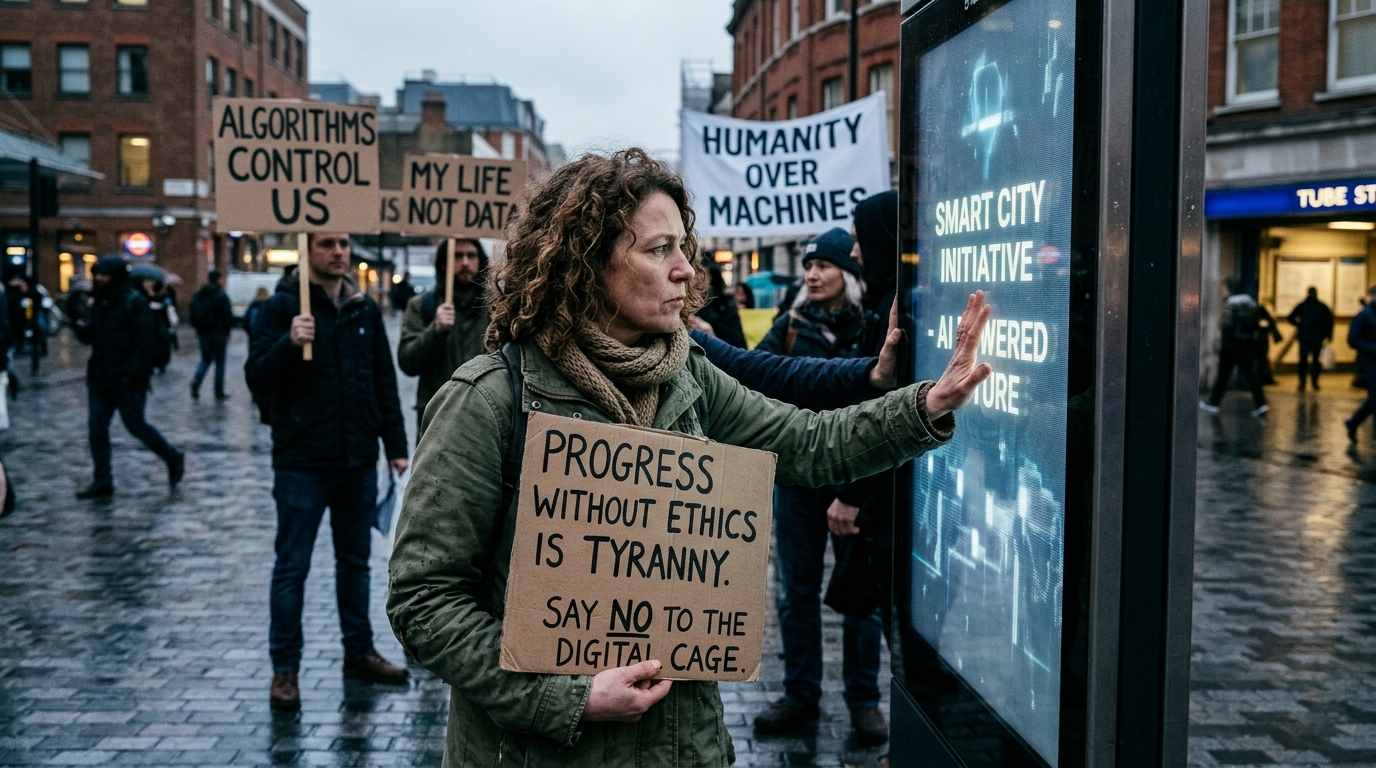
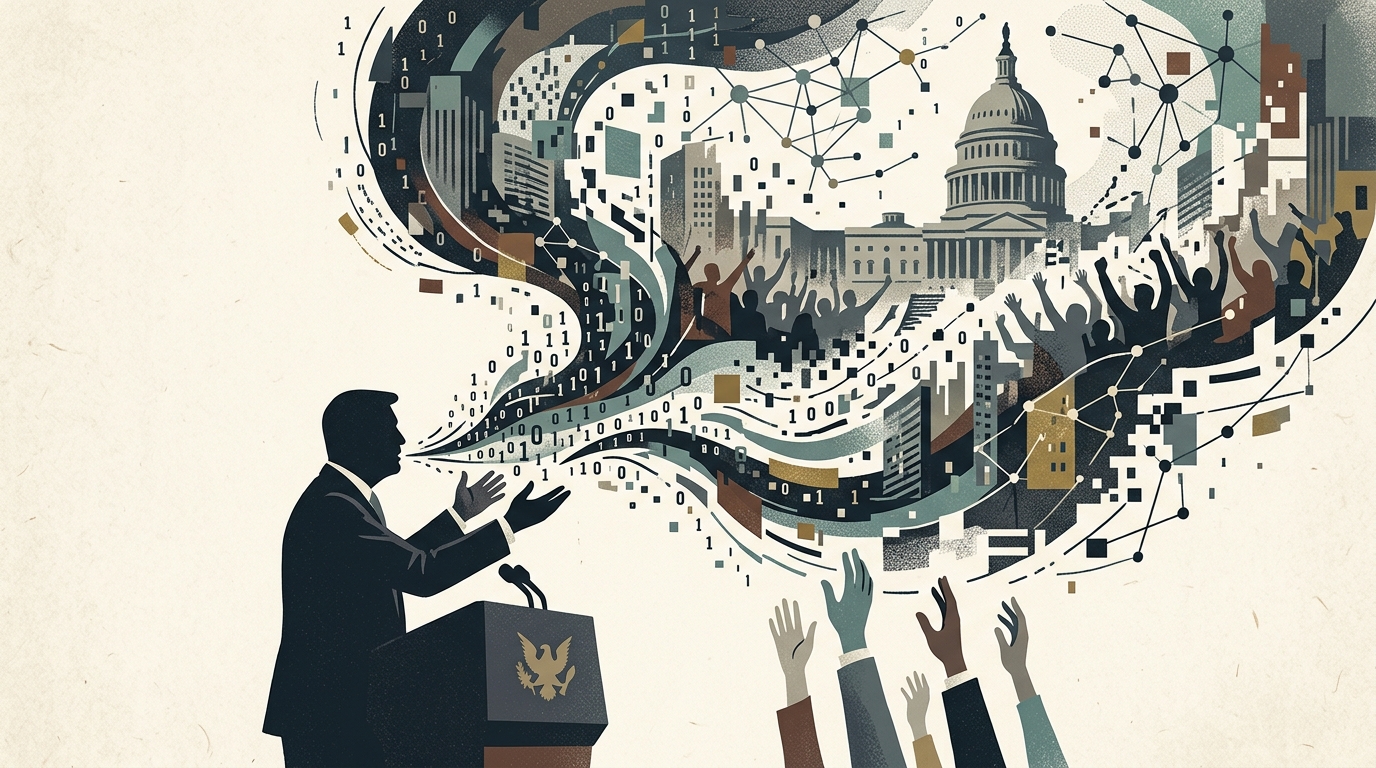
The term "Algorethics," introduced by the Vatican through the Pontifical Academy for Life, is more than just a clever pun. It is the foundation of a new ethical architecture aimed at ensuring technology remains at the service of humanity, rather than the other way around. The Church argues that algorithms are not neutral; they carry the biases of their creators and the values of the corporations that fund them.
"Artificial intelligence must be guided by an ethics that places the human person, dignity, and the common good at its center," the Pontiff has repeatedly stated.
The Vatican's approach gained momentum in 2020 with the "Rome Call for AI Ethics," an initiative signed by giants such as Microsoft and IBM. It was the first time religious leadership sat at the same table with tech titans to establish principles like transparency, inclusion, accountability, and impartiality. The upcoming encyclical is expected to codify these principles into a theological and social framework, warning against a "technocratic paradigm" that isolates the human being.
Social Justice and the Digital Divide
One of the core concerns the encyclical will analyze is the widening of social inequalities. Pope Francis, true to his "theology of the periphery," focuses on how AI might further marginalize developing nations and vulnerable groups. The automation of labor, the use of algorithms for credit scoring, or even for the administration of justice, carries the risk of entrenching discrimination under the guise of "mathematical objectivity."
- Labor Displacement: Concerns over how AI will replace low-skilled jobs, primarily affecting the poorest sectors of society.
- Algorithmic Bias: The use of data that reproduces racial or social stereotypes.
- Digital Sovereignty: The concentration of AI power in a handful of companies and states.
The Vatican is not calling for a halt to technological progress, but for a "politics of care" to be embedded into the code. The encyclical is expected to propose the creation of international oversight bodies with the power to monitor AI usage, similar to organizations that oversee nuclear energy.
Lethal Autonomous Weapons and the Ethics of War
One of the most thorny issues the document is expected to address is the use of AI in military applications, particularly Lethal Autonomous Weapons Systems (LAWS), also known as "killer robots." The Vatican's position is clear: the decision over life and death can never be delegated to an algorithm. Human judgment, with all its complexity and empathy, is inalienable.
In his speech at the 2024 G7 summit, the Pope emphasized that "no machine should ever choose to take the life of a human being." This intervention is considered historic, as it was the first time a Pope participated in such a summit, highlighting the weight the Holy See places on the matter. The encyclical will deepen this critique, linking AI ethics to global peace and the prevention of a new, invisible arms race.
Conclusion: A Spiritual Compass for the Digital Age
The Vatican's move to intervene so drastically in the technology sector shows that the Church recognizes AI not merely as a tool, but as an ontological challenge. The upcoming encyclical will be the manifesto of a "digital humanistic revolution." In a world rushing at the speed of light toward the unknown, Rome is attempting to force a pause for reflection, reminding us that progress without ethics is nothing more than an advanced form of barbarism.