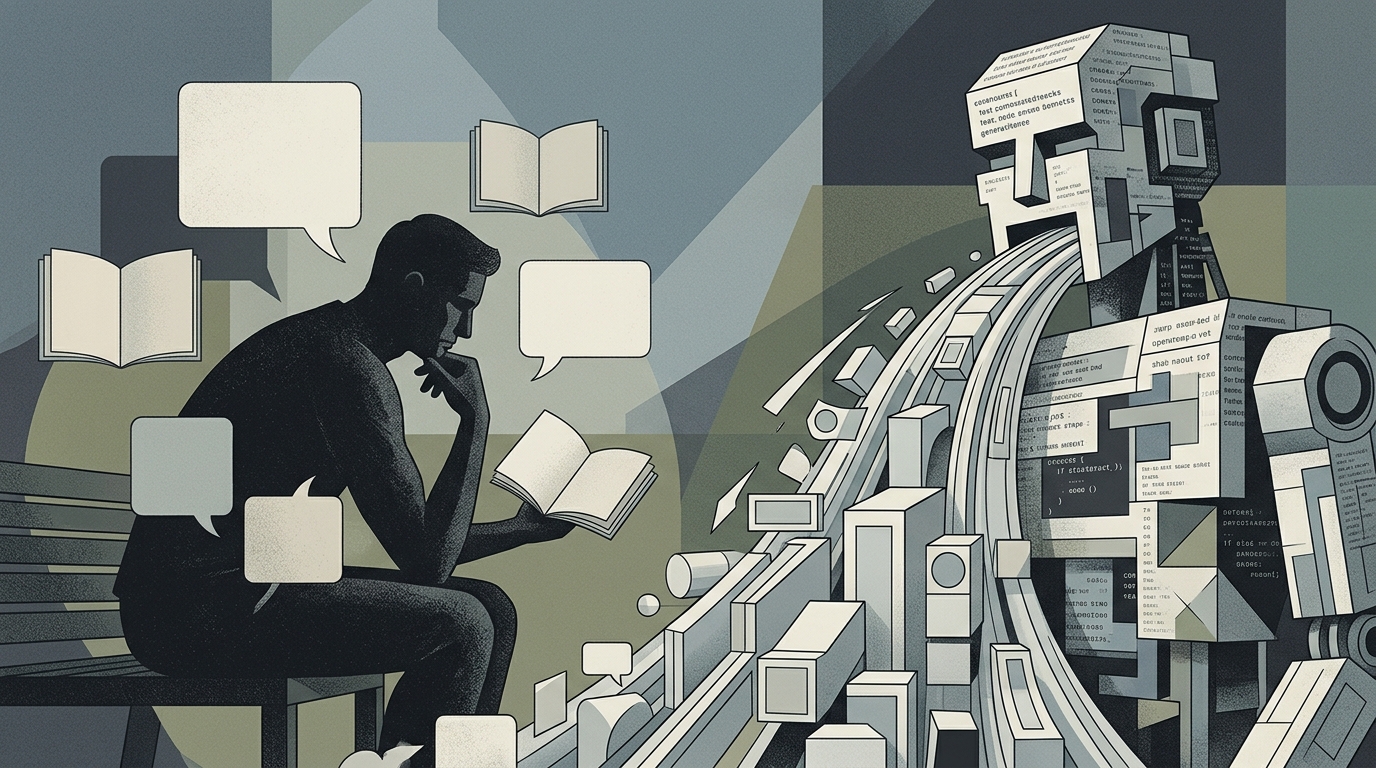
In the heart of Salt Lake City, a quiet but pivotal revolution is unfolding within the halls of the University of Utah. As Artificial Intelligence (AI) transitions from an experimental tool to an omnipresent force influencing healthcare, justice, and daily communication, the university's researchers are sounding an alarm. The question is no longer merely what AI can do, but what it *should* be allowed to do.
The University of Utah initiative brings together scholars from disparate fields—lawyers, physicians, philosophers, and computer scientists—in a concerted effort to decode the "black box" of algorithms. The necessity for this interdisciplinary approach stems from the realization that AI’s technical problems are, in fact, deeply human problems that require humanistic answers.
The Black Box Dilemma in Medicine
One of the most critical areas of research involves the application of AI in medical diagnostics. Teshamae Monteith, an associate professor of neurology, points out that while algorithms can identify patterns in medical imaging that escape the human eye, they often fail to explain the "why." This lack of explainability creates an ethical vacuum: can a physician trust a diagnosis they don't fully understand? And who bears the responsibility if the AI errs?
Researchers argue that transparency is not just a technical specification but a moral obligation to the patient. In this context, they are developing frameworks that require AI systems to provide "reasoned decisions," allowing clinicians to maintain their role as the final arbiter. Medical ethics, traditionally built on the principle of "do no harm," is now being tested by the speed and opacity of machine learning.
Algorithmic Bias and Social Justice
Beyond the clinics, the research extends into the realms of law and social policy. Teneille Brown, a professor of law, examines how AI can perpetuate or even amplify existing social biases. If an algorithm is trained on historical data containing racial or gender discrimination, the AI will reproduce these biases with "mathematical precision," cloaking them in a veneer of objectivity.
The University of Utah is working on "algorithmic auditing" tools designed to detect biases before these systems are deployed in public services or the judicial system. The challenge is immense, as biases are often buried within billions of parameters, making their identification akin to finding a needle in a haystack of digital noise.
The Philosophy of Responsible Innovation
One of the most compelling aspects of the Utah approach is the integration of "Ethics by Design." Rather than ethics being an afterthought or a constraint imposed by regulators, researchers propose that it should be part of the software's architecture. This means that developers must be trained not only in code but also in ethical philosophy.
The researchers emphasize that AI is not a neutral technology. Every decision made during the creation of a model—from data selection to defining "success"—carries value judgments. Recognizing this inherent subjectivity is the first step toward creating systems that serve the public good rather than just efficiency or profit.
Conclusion: Toward a New Social Contract
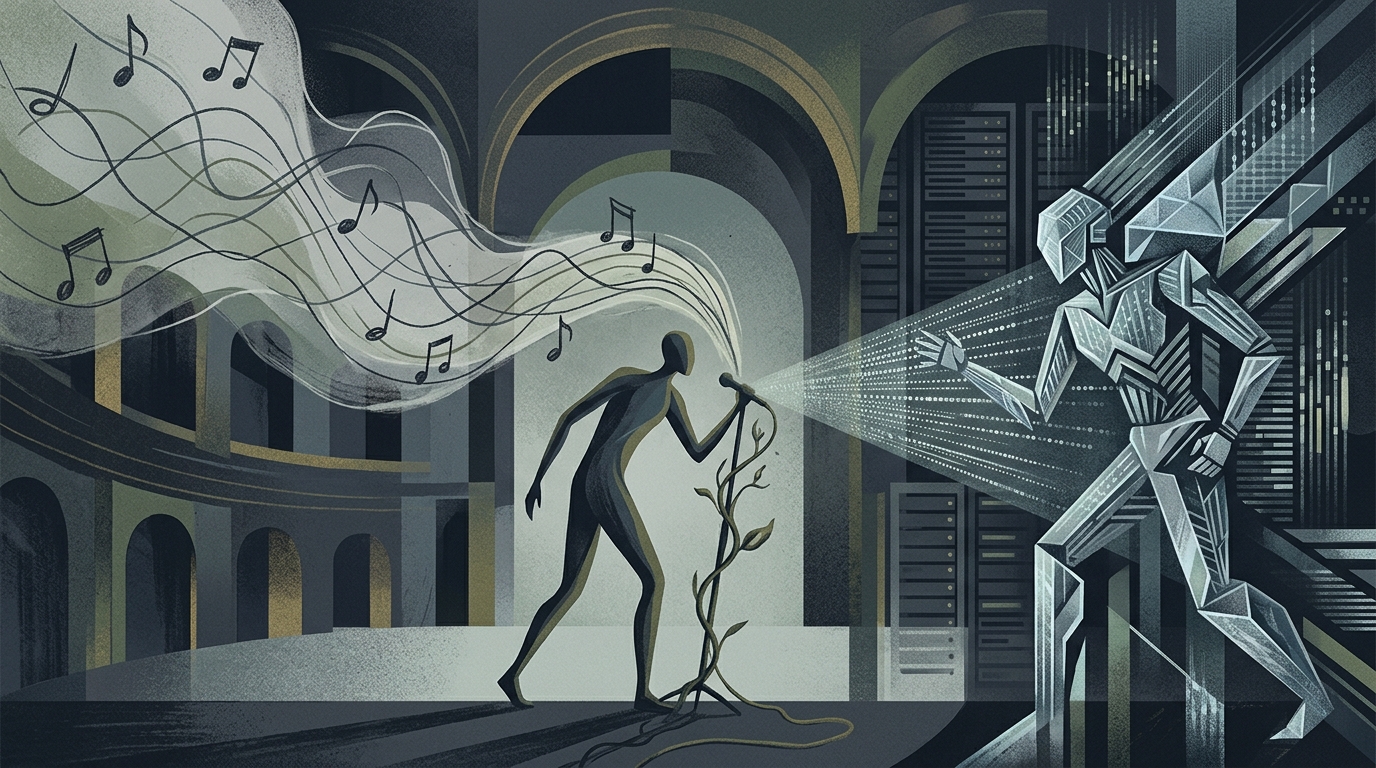
The work being done at the University of Utah is not just for the academic community. It is a call for a broader societal dialogue about the future of humanity in the age of machines. As AI becomes increasingly autonomous, the need for human oversight and ethical guidance becomes imperative. The Utah researchers remind us that technology must remain a tool in human hands, not an unchecked sovereign over our choices.
"We cannot outsource our conscience to a machine, no matter how sophisticated its calculations may be."
As we look toward the 2030s, the frameworks established today will determine whether AI acts as a catalyst for human flourishing or a mechanism for systemic exclusion. The University of Utah's commitment to tackling these urgent questions provides a roadmap for a future where innovation and integrity walk hand in hand.