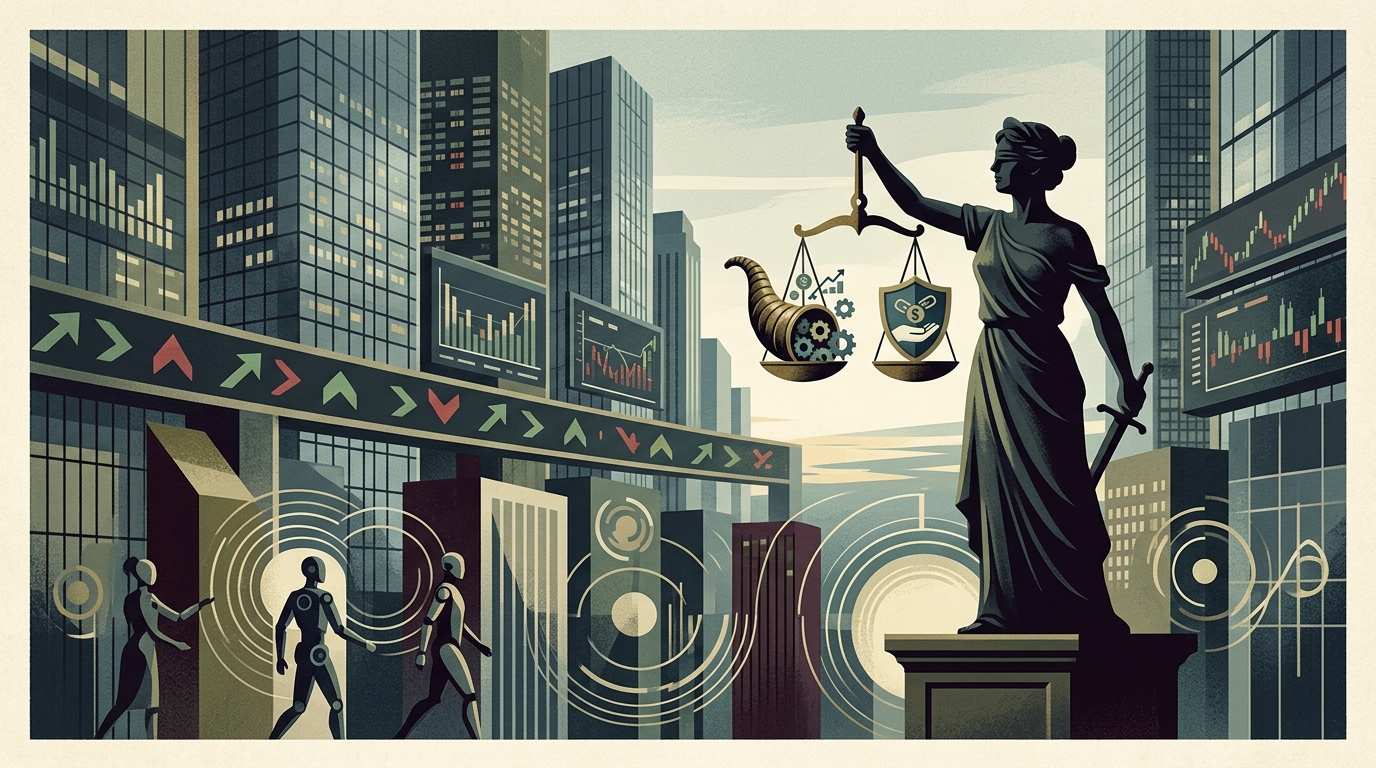
The traditional lending process, for decades anchored in rigid credit scoring models and bureaucratic delays, is undergoing one of the most radical transformations in its history. A recent analysis by Wolters Kluwer highlights a critical turning point: the democratization of Artificial Intelligence (AI). What was once the exclusive "weaponry" of Wall Street banking giants is now becoming accessible to community banks, credit unions, and non-bank lenders, redistributing power within the financial ecosystem.
The Shift from FICO Scores to Holistic Analysis
For generations, an individual's or a business's ability to borrow depended almost entirely on their credit score. However, this approach left millions of "credit invisible" borrowers on the sidelines—people with limited credit histories but consistent financial habits. AI is changing the rules of the game by enabling the analysis of "alternative data." Rent payments, utility bills, and even real-time cash flow patterns are now being integrated into assessments.
Democratization means that smaller lenders can now use sophisticated algorithms to identify reliable borrowers where traditional systems saw only risk. This evolution is not just about technology; it is about social equity and financial inclusion, as it opens doors for underrepresented groups and startups that were previously locked out of the capital markets.
Operational Efficiency and the Customer Experience
In the modern world, speed is the new currency. Integrating AI into the underwriting process allows applications to be processed in seconds rather than weeks. Automation reduces operational costs for banks, enabling them to offer more competitive interest rates. Furthermore, AI can predict when a borrower might face repayment difficulties before they happen, allowing lenders to proactively suggest restructuring solutions.
However, speed must not come at the expense of security. Wolters Kluwer emphasizes that the use of AI-as-a-Service (AIaaS) allows smaller institutions to leverage cybersecurity and regulatory compliance infrastructures that would be impossible to develop in-house. This levels the playing field, allowing the "neighborhood bank" to offer digital experiences on par with global neobanks.
Regulatory Challenges and the Bias Dilemma
Despite the promises, the road is not without obstacles. The "black box" nature of certain AI algorithms raises serious questions about transparency. If an algorithm rejects a loan application, the lender must be able to explain "why" clearly, in accordance with fair lending laws. There is also the risk that AI could encode and amplify historical biases present in training data.
Regulatory compliance is emerging as the most critical factor for the success of AI in lending. Institutions are being called upon to invest in "Explainable AI" (XAI), ensuring that decisions are fair, traceable, and free from discrimination. The democratization of auditing and ethics tools is just as vital as the democratization of analytical tools themselves.
The Future: A New Era of Credit
Looking ahead, the convergence of AI with other technologies, such as Open Banking, will make lending an almost invisible and integrated experience in daily life. The ability of small players to compete on equal terms with the giants will lead to greater innovation and specialized financial products. The democratization of AI is not merely a technological upgrade; it is a restructuring of the social contract between lenders and borrowers, centered on data, transparency, and accessibility.