The rhetoric from the new U.S. administration regarding mass deportations has shifted from campaign promises to logistical reality. As Tom Homan, the newly appointed 'border czar,' threatens to 'flood' New York City with ICE (Immigration and Customs Enforcement) agents, a new investigation by the nonprofit news organization The City brings to light a disturbing truth: these operations are practically impossible to conduct without the systematic use of racial profiling and extensive digital surveillance.
The Quiet Escalation in New York Neighborhoods
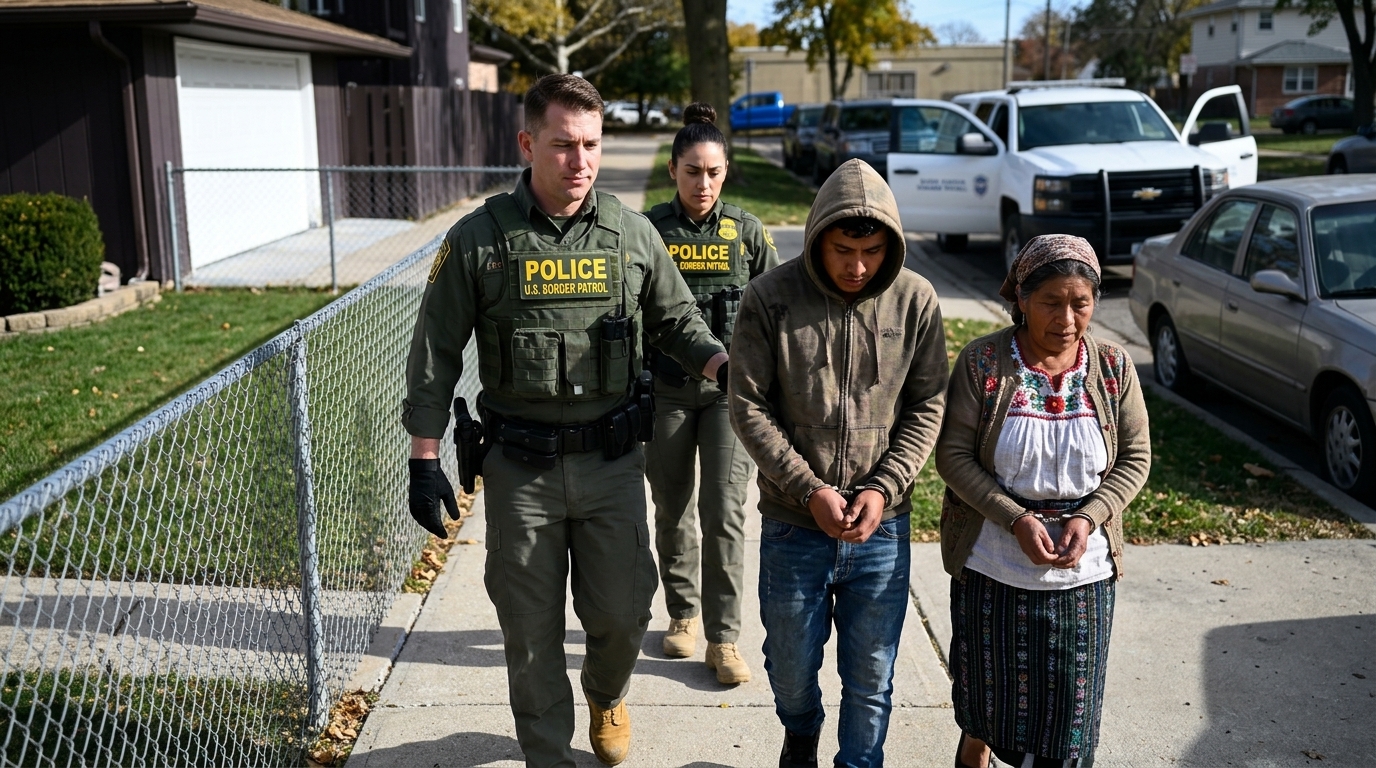
Despite assurances that authorities will focus exclusively on 'criminal elements,' the data paints a different picture. In New York, a sanctuary city that traditionally limits local cooperation with ICE, federal agents have already ramped up their arrests. The City’s investigation reveals that these arrests are not distributed evenly across the five boroughs; instead, they are concentrated with surgical precision in neighborhoods with high percentages of Latino residents, such as Jackson Heights in Queens and Sunset Park in Brooklyn.
The problem with this approach is both legal and ethical. When ICE 'floods' an area based on demographic data, the probability of illegal searches and seizures increases exponentially. The Fourth Amendment protects citizens from unreasonable searches, yet in practice, the heavy presence of agents in specific zip codes acts as a dragnet, sweeping up anyone who 'looks' like an undocumented immigrant.
Technology as a Power Multiplier
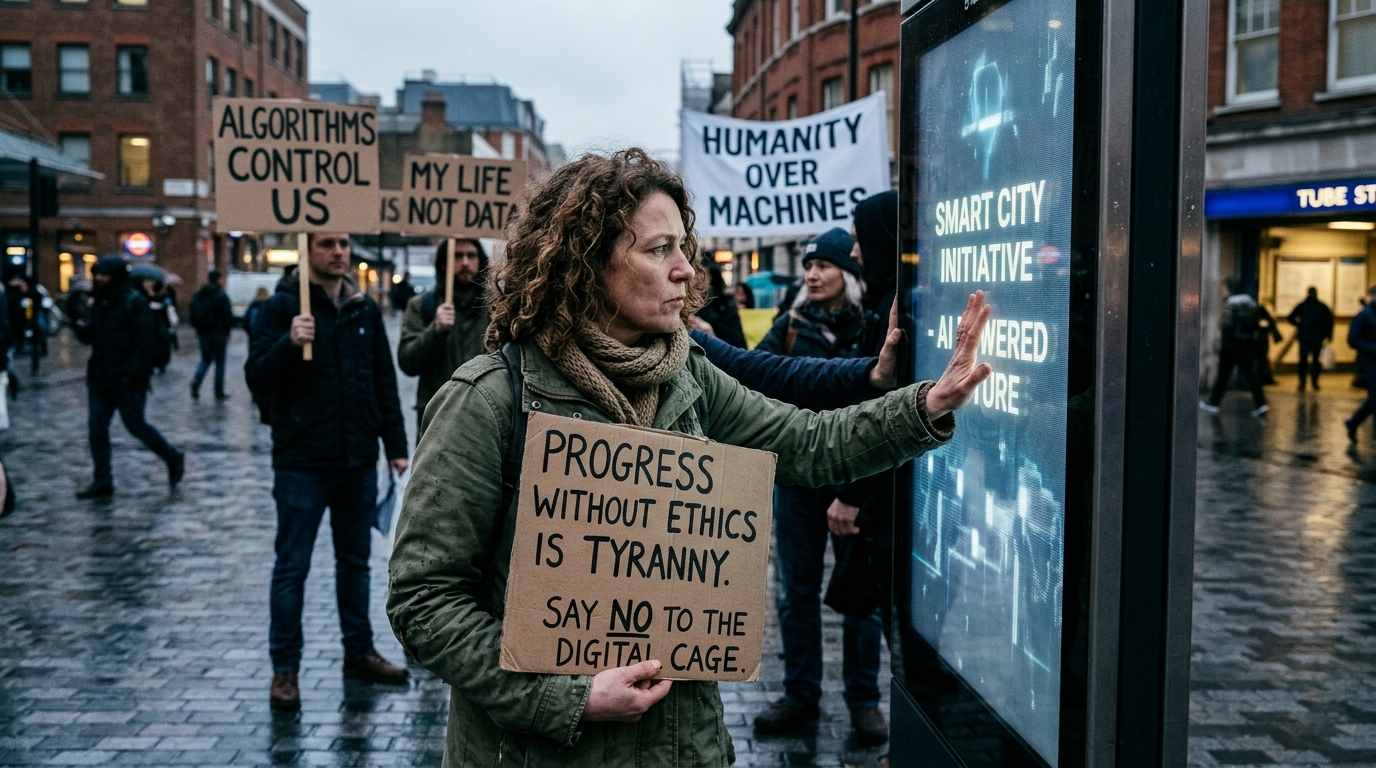
At the heart of this strategy lies the use of advanced surveillance technologies. ICE no longer relies solely on human informants. It utilizes Automated License Plate Readers (ALPR), geolocation data purchased from private data brokers, and facial recognition software. These tools allow authorities to map the movements of entire communities.
'This isn’t just law enforcement; it’s a psychological warfare operation backed by algorithms,' says a human rights legal advisor. 'When technology is used to target people based on where they live and what they look like, the concept of individual suspicion collapses.'
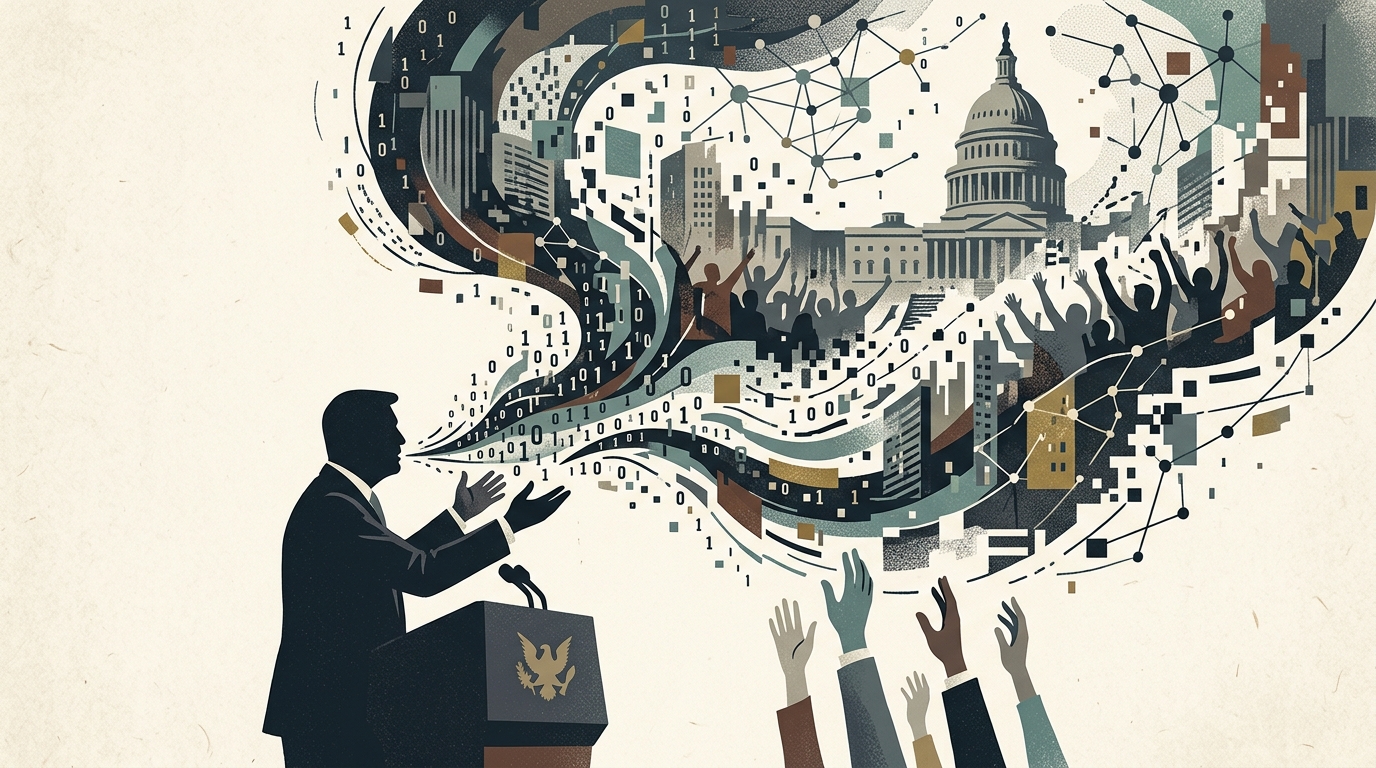
The use of AI to predict 'hotspots' for undocumented immigration creates a self-fulfilling prophecy. Algorithms are fed historical arrest data, which is already biased, directing agents back to the same neighborhoods and reinforcing the profile of 'criminality' in those areas.
The Conflict with Local Governance
Homan’s insistence on targeting New York is not accidental. It is a political statement against sanctuary cities. Local officials find themselves in a difficult position. While city law prohibits the use of local resources for federal deportations, ICE can operate autonomously at the federal level. The investigation shows that agents often wait outside courthouses or schools—locations that were considered 'sensitive zones' under previous administrations.
The impact on social cohesion is already visible. Trust in police and public services is eroding. Immigrants, even those with legal status, fear reporting crimes or seeking medical help, worried that their presence will be recorded in a database that eventually ends up in ICE’s hands.
The Future of Civil Liberties
If the New York model is expanded nationally, the U.S. faces a civil liberties crisis unprecedented in modern history. The mass deportation of millions requires a surveillance infrastructure that can easily be turned against any citizen. The distinction between 'legal' and 'illegal' blurs when the criteria become neighborhood, language, or physical appearance.
In conclusion, the promise of 'order' at the border is transforming into an internal surveillance operation that undermines the foundations of democracy. Technology, instead of being used to enhance security, is being weaponized as a tool for racial segregation, making the vision of mass deportations a dystopian reality built on prejudice rather than the rule of law.