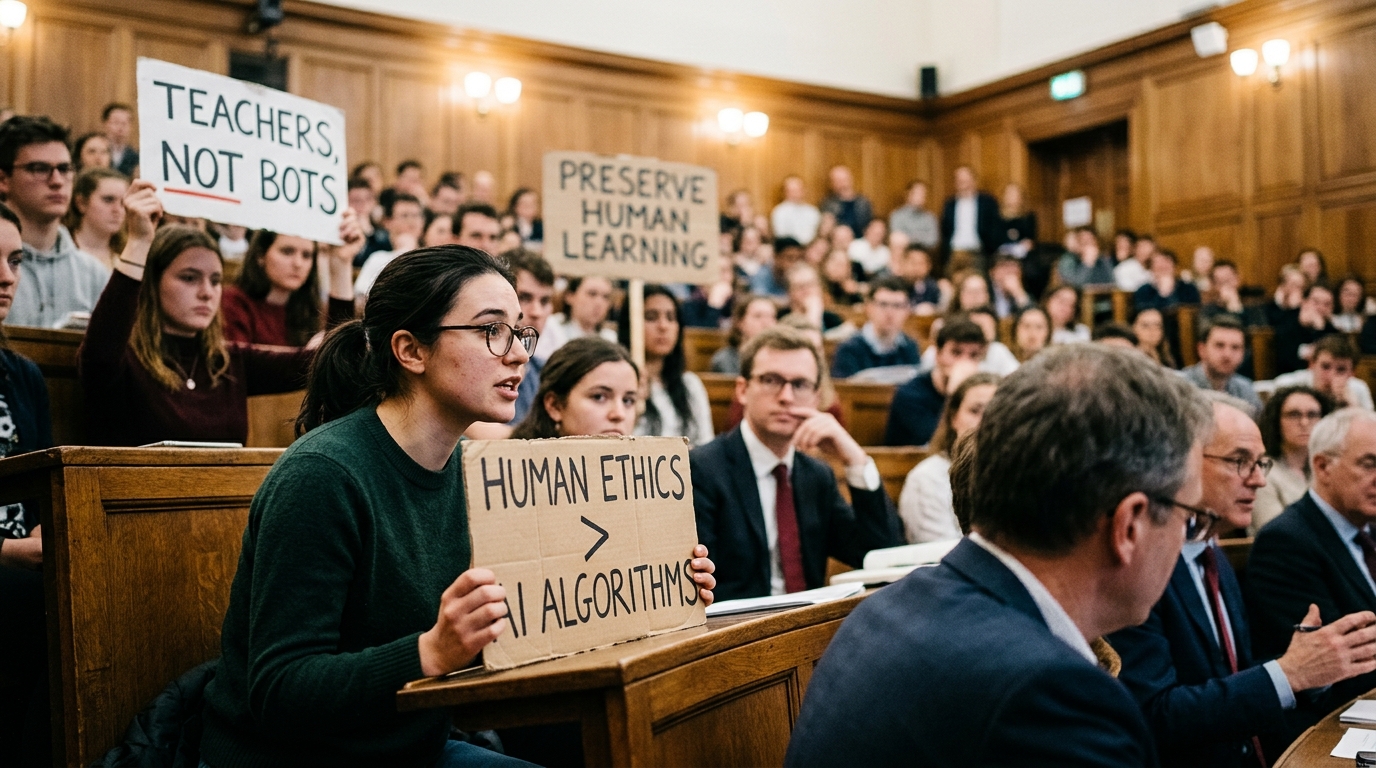
As we navigate the summer of 2026, the discourse surrounding Artificial Intelligence (AI) in education has shifted from initial excitement to a profound, almost dogmatic resistance. A recent perspective in the Washington Post highlights a danger that many refuse to acknowledge: the attempt to "protect" children from AI may ultimately leave them stranded in an obsolete reality. The history of technology is littered with moments where fear of the new led to regressive policies, but in the case of AI, the stakes are not just about knowledge—they are about the very ability to survive in a global economy moving at light speed.
The New Digital Divide and Social Inequality
The primary argument against blanket bans on AI in schools concerns social justice. When public educational institutions ban the use of tools like advanced large language models, they do not make the technology disappear; they simply restrict it to those with the financial means to acquire it privately. Children from affluent families will continue to use AI tutors and assistants at home, gaining skills that will give them a massive advantage in the job market. Conversely, students from lower socioeconomic backgrounds, who rely exclusively on school for their contact with cutting-edge technology, are left behind.
Prohibition creates a new form of illiteracy. If AI is the "electricity" of the 21st century, depriving a student of training in its use is akin to sending them to work in a 1900s factory with only a candle in hand. Educational policy must focus on equitable access and guided use, rather than blind denial that only fuels inequality.
From Rote Memorization to Critical Evaluation
Resistance to AI often stems from the fear of "cheating" and the loss of critical thinking. However, this approach overlooks the fact that the very nature of learning must evolve. Just as the introduction of the calculator did not destroy mathematics but allowed students to tackle more complex problems, AI can liberate education from the drudgery of rote information memorization.
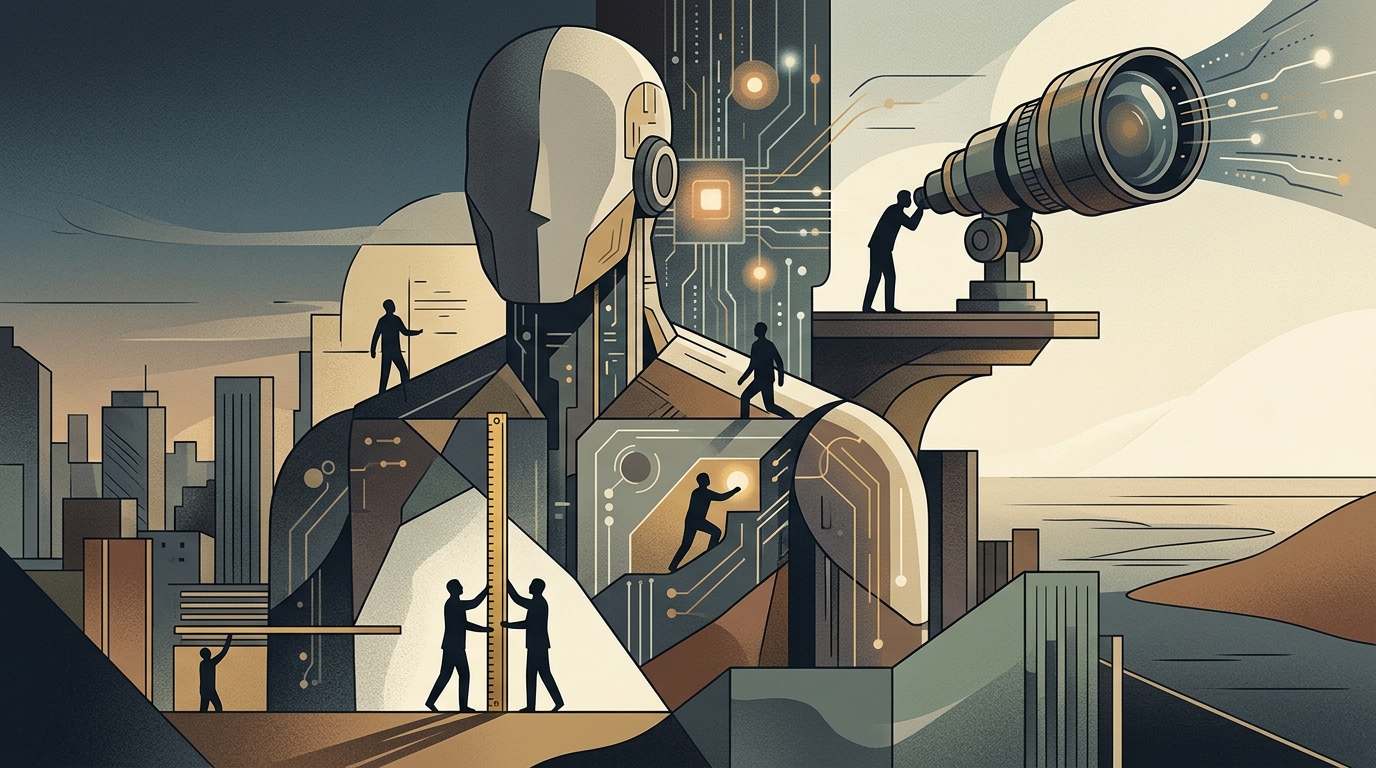
The role of the teacher in 2026 is no longer to transmit information available with a single click, but to teach students how to evaluate the validity of AI responses, how to synthesize different sources, and how to ask the right questions (prompt engineering). Critical thinking is not threatened by AI; on the contrary, it becomes more essential than ever as students are required to navigate an ocean of generated content where distinguishing truth from falsehood requires high-level analytical skills.
The Ethics of Adaptation and Political Responsibility
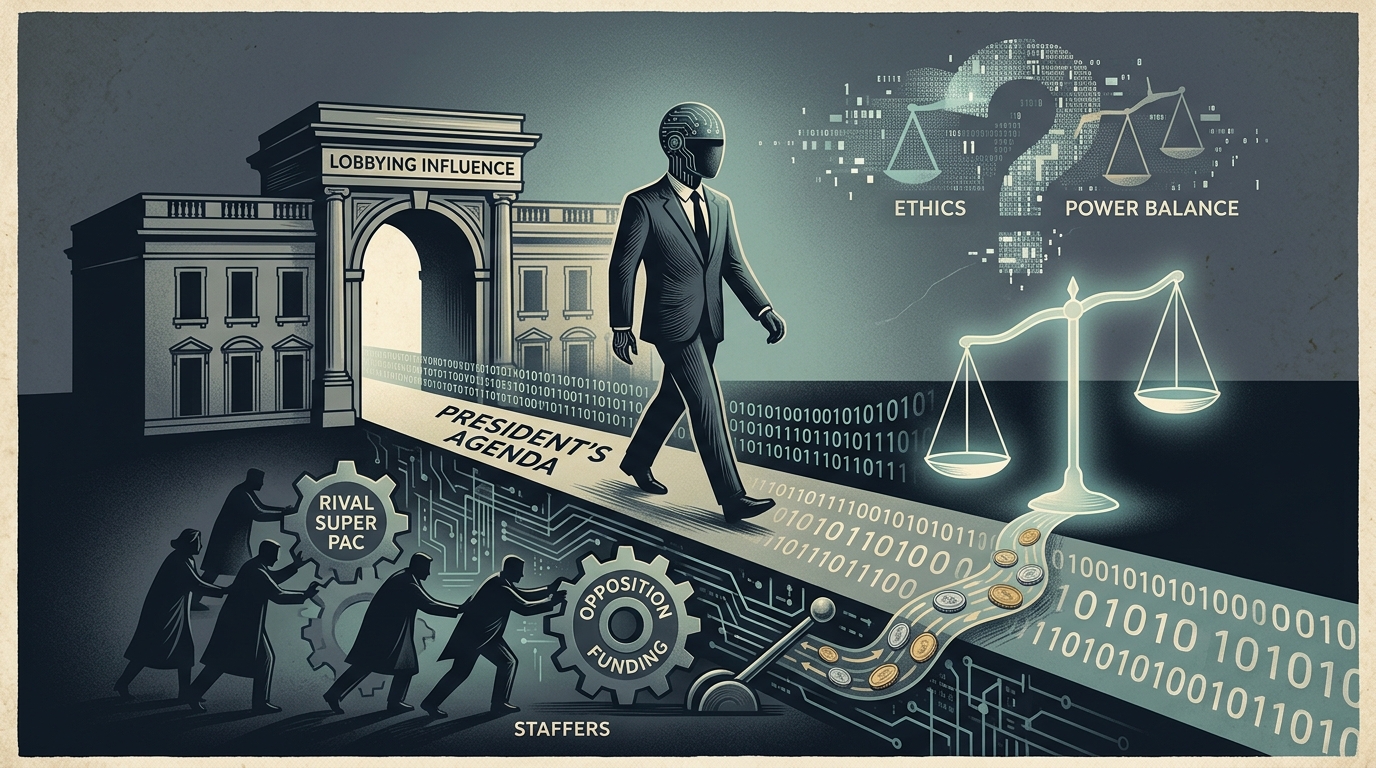
It is easy for politicians and school boards to impose bans to appease anxious parents. It is much harder to design a curriculum that integrates AI in an ethical and productive way. Ethics in education does not mean abstinence; it means preparation. Rules must be established to protect the personal data of minors and to ensure that algorithms do not reproduce racial or social biases.
Instead of "plagiarism police," schools need digital ethics laboratories. The retreat observed in many Western countries, while other economies integrate AI into primary education, is a strategic error. Education is not a sterile chamber protected from technology, but the vestibule of society. If the society of tomorrow is inextricably linked with AI, then the education of today has no choice but to embrace it, with prudence but also with courage.
Conclusion: The Cost of Inaction
In conclusion, the backlash against AI in schools is a battle against the inevitable. The danger is not the technology itself, but our inability to integrate it into a human-centric educational framework. If we continue to block children's access to these tools, all we will achieve is creating a generation that will be spectators rather than creators of developments. Washington and Brussels must understand that educational lag in AI is a time bomb at the foundations of future prosperity.