Is AI the savior of modern education or the Trojan horse of cognitive decline? The integration of Artificial Intelligence (AI) into the educational system is no longer a futuristic prediction but a daily reality radically transforming how students consume knowledge and how educators assess progress. However, behind the promise of personalized learning and efficiency lie risks that touch the core of human cognition and social justice.
1. Cognitive Atrophy and the Erosion of Critical Thinking
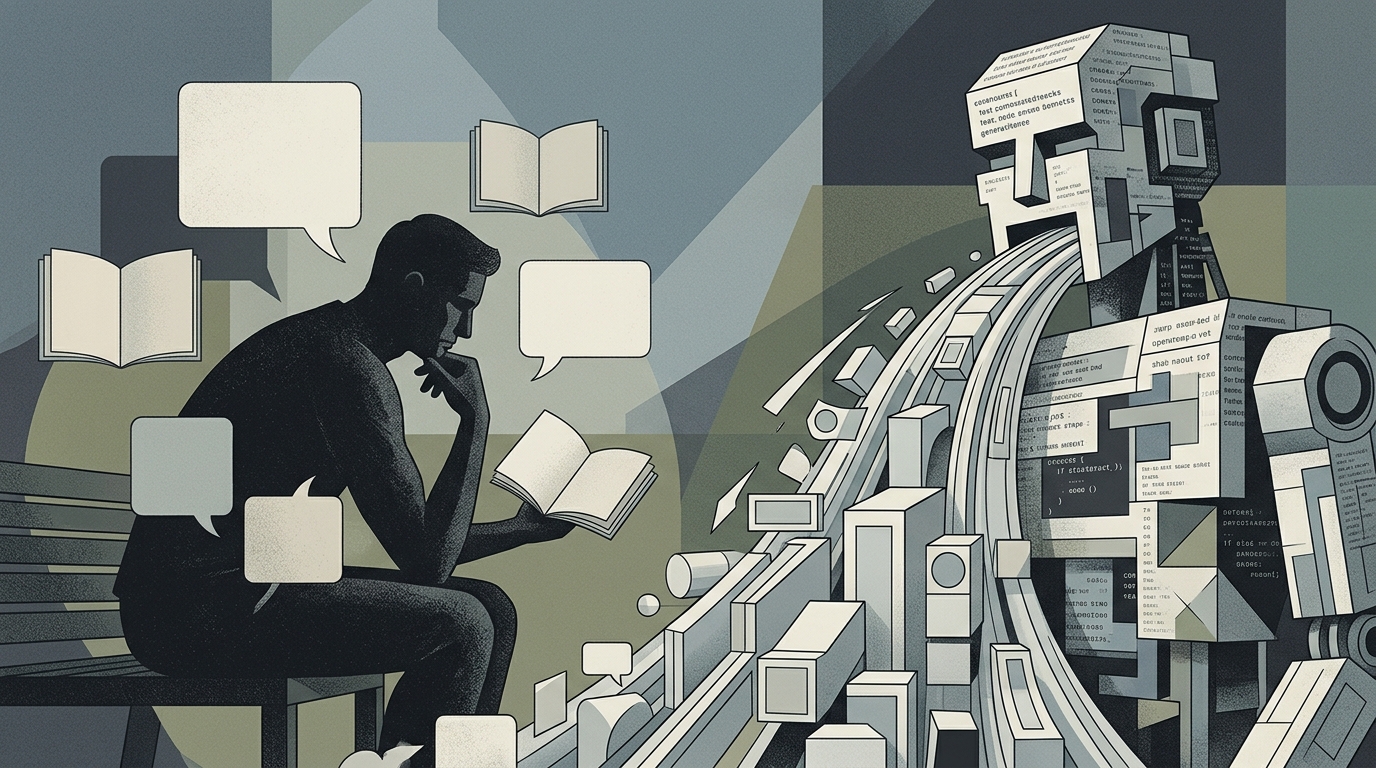
Perhaps the most significant risk is the gradual weakening of higher cognitive functions. When AI provides ready-made answers, text summaries, and solved exercises at the touch of a button, students are deprived of the process of "creative struggle" with the subject matter. Learning is not the accumulation of information but the development of neural connections through effort and problem-solving. Over-reliance on tools like ChatGPT could lead to a generation that "knows how to ask" but "does not know how to think" autonomously.
- Reduction in the ability to synthesize original ideas.
- Weakening of memory and concentration spans.
- Loss of skills for deep reading and textual analysis.
2. The Digital Panopticon and Data Privacy
The use of AI platforms necessitates the collection of massive amounts of data. In education, this translates to recording learning patterns, mistakes, and even the emotional reactions of children. The risk of commodifying this data by private corporations is real. Furthermore, the creation of a "digital dossier" that follows a student from kindergarten to university could lead to premature categorization and limited opportunities based on algorithmic predictions that might be flawed.
"Education must remain a space of freedom and experimentation, not a data-harvesting laboratory for training algorithms."
3. Algorithmic Bias and Social Inequality
Artificial Intelligence is not neutral. It is trained on data that often contains historical and social biases. If an AI system is used for student assessment or career guidance, there is a fear it will reproduce stereotypes regarding race, gender, or socioeconomic status. Additionally, the "digital divide" is widening: students in wealthy nations or private schools will have access to advanced AI tools, while others are confined to traditional, underfunded methods, reinforcing existing inequalities.
4. The Dehumanization of the Pedagogical Relationship
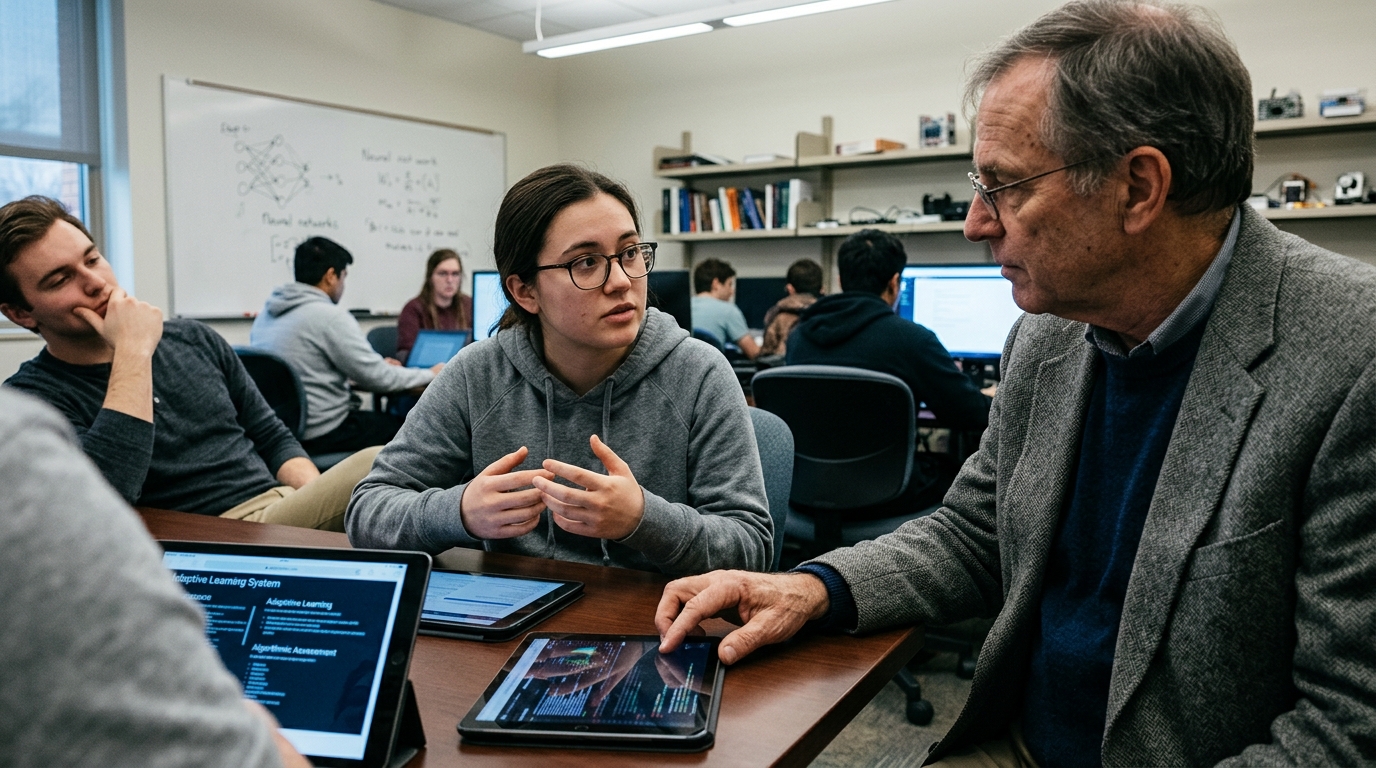
Education is, at its core, a deeply human interaction. A teacher does not merely transmit knowledge but acts as a role model, mentor, and source of emotional support. Replacing human contact with "smart" digital assistants risks turning learning into a sterile, mechanical process. Empathy, moral education, and the socialization offered by the classroom cannot be simulated by any algorithm, no matter how advanced.
5. The Crisis of Academic Integrity
The ease of generating content through AI has shaken the foundations of assessment. Traditional homework assignments have become almost obsolete, as it is nearly impossible to distinguish human from machine writing with certainty. This forces the educational system to revert to archaic methods (such as oral exams or supervised paper-and-pen tests), limiting the creativity of modern assessment forms. The loss of trust between teacher and student is perhaps the most painful collateral damage of this technological revolution.
In conclusion, AI in education requires a strict ethical framework and a critical approach. We must not allow technology to dictate the goals of our education; instead, we must integrate it as a tool that serves humanity and free thought.