In the current era of technological euphoria, a new kind of prophet has emerged: the Silicon Valley CEO warning of the end of the world. From dramatic open letters calling for a "pause" in AI development to comparisons with nuclear armageddon, the discourse surrounding Artificial Intelligence (AI) has polarized between a utopian messianism and an apocalyptic dread. However, as an increasing number of analysts and academics point out, this focus on hypothetical, future risks serves as an effective "noise" that distracts from the immediate, tangible, and already present harms caused by the technology.
The Trap of Existential Risk (X-Risk)
The term "existential risk" (X-risk) has become the favorite talking point in global summits and government offices. The idea that a future "Superintelligence" might decide humanity is redundant draws its allure from science fiction and the philosophy of "longtermism." While these theoretical risks merit some study, their disproportionate visibility often serves specific corporate interests. By focusing on a Terminator-style scenario, Big Tech companies shift accountability from their current practices to a distant, almost metaphysical future.
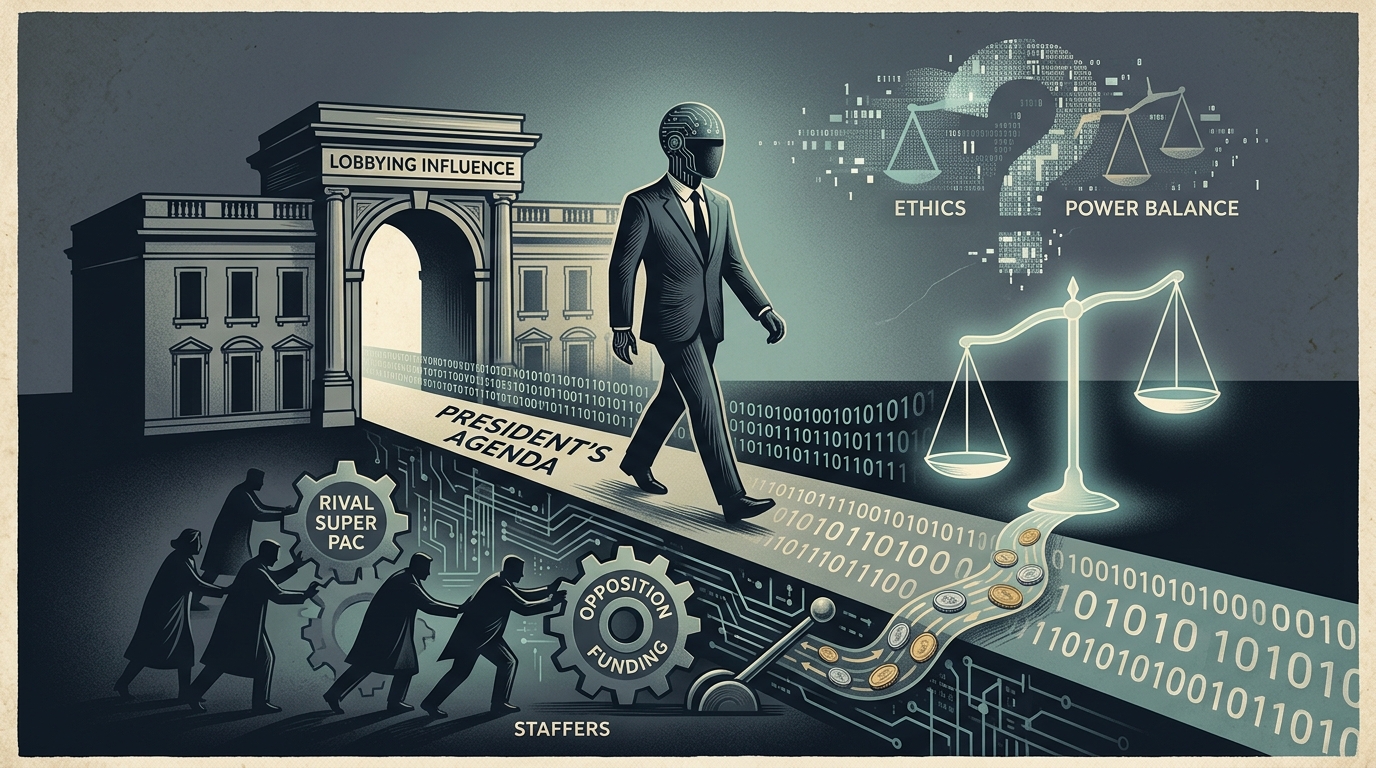
This tactic is often described as "regulatory capture through fear." When lawmakers are convinced that the primary problem is preventing a digital apocalypse, they tend to overlook the need for stringent rules regarding data protection, copyright, and algorithmic transparency. Furthermore, the rhetoric of a "god-like" AI lends a veil of inevitability and power to the companies developing it, making them de facto regulators of our collective fate.
The Invisible Wounds of Today
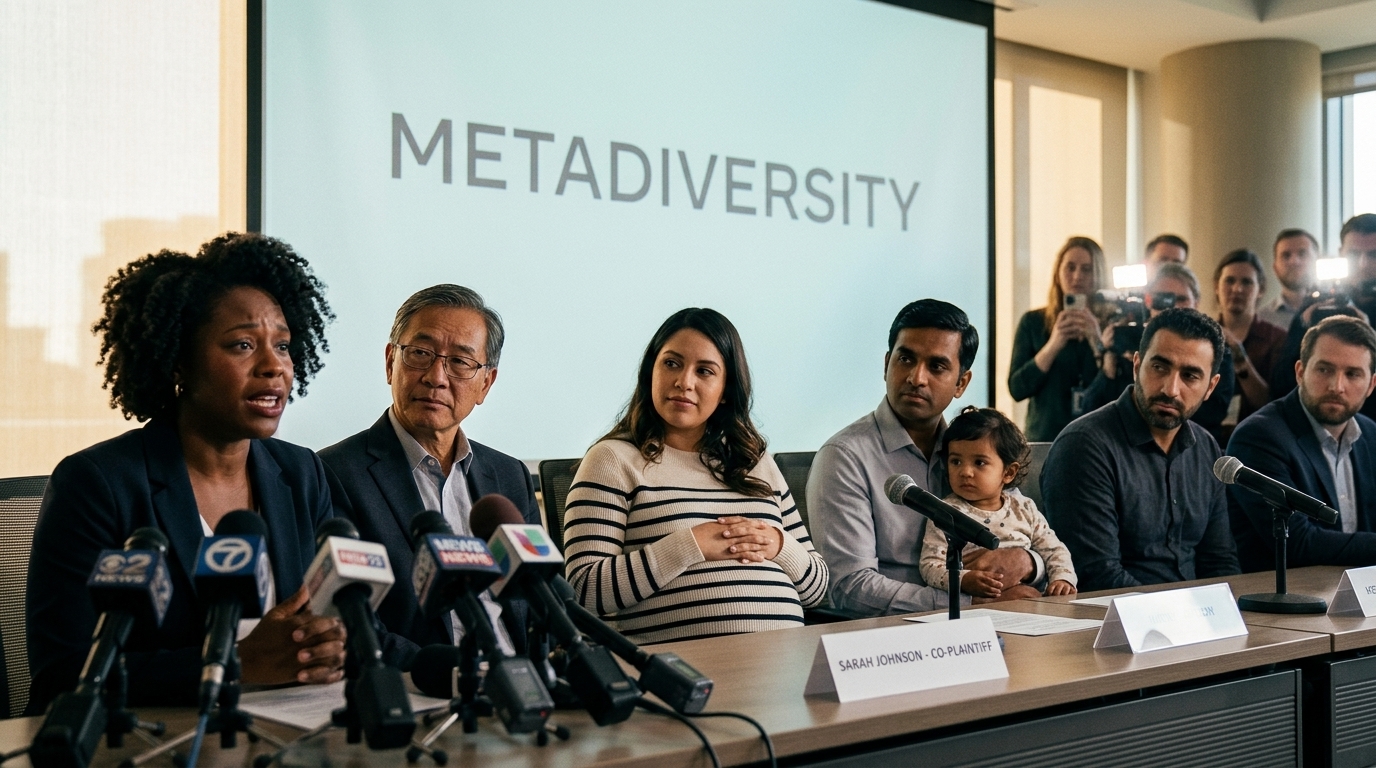
While newspaper headlines obsess over whether AI will achieve consciousness, millions of people are already grappling with the negative consequences of algorithms. Bias in hiring systems, automated policing that disproportionately targets minorities, and the erosion of privacy through mass surveillance are not future scenarios but daily realities. These problems do not stem from a "malicious" AI, but from human decisions behind training data and corporate objectives.
- Labor Exploitation: The development of Large Language Models (LLMs) relies on an army of low-paid workers in the Global South, tasked with filtering toxic content under harrowing conditions.
- Environmental Cost: Training a single large AI model consumes vast amounts of energy and water for cooling data centers, exacerbating the climate crisis.
- Intellectual Property: The mass scraping of the internet to train models without consent or compensation for creators represents the largest transfer of wealth and intellectual capital in history.
The Need for Pragmatic Governance
The European Union, through the AI Act, has attempted to balance these two trends. However, pressure from Silicon Valley lobbies has been intense, attempting to exempt "general-purpose models" from strict oversight by once again invoking the argument of innovation versus risk. The real challenge for political leadership in 2026 is to reject the false dilemma between progress and safety.
"The greatest risk of AI is not that it will exterminate us, but that it will be used to entrench existing inequalities and strip away human autonomy in ways that appear 'optimal'," notes Dr. Margaret Mitchell, a prominent AI ethics researcher.
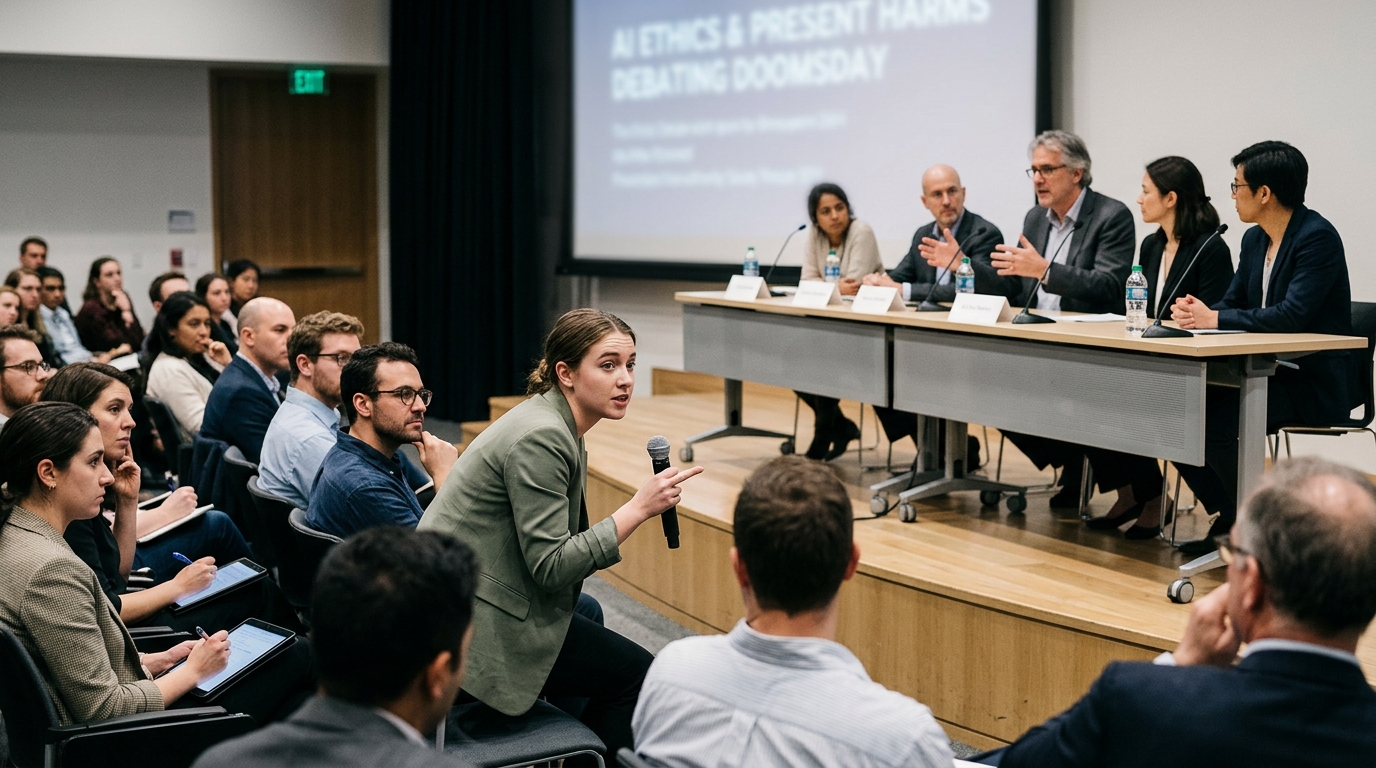
In conclusion, doomsday rhetoric is a luxury hobby for those unaffected by the immediate failures of AI systems. An ethical approach requires us to turn our gaze from the stars and future superintelligences back to earth, to the code being written today and the people impacted by it. Transparency, accountability, and the protection of human rights must take precedence over existential fantasies.