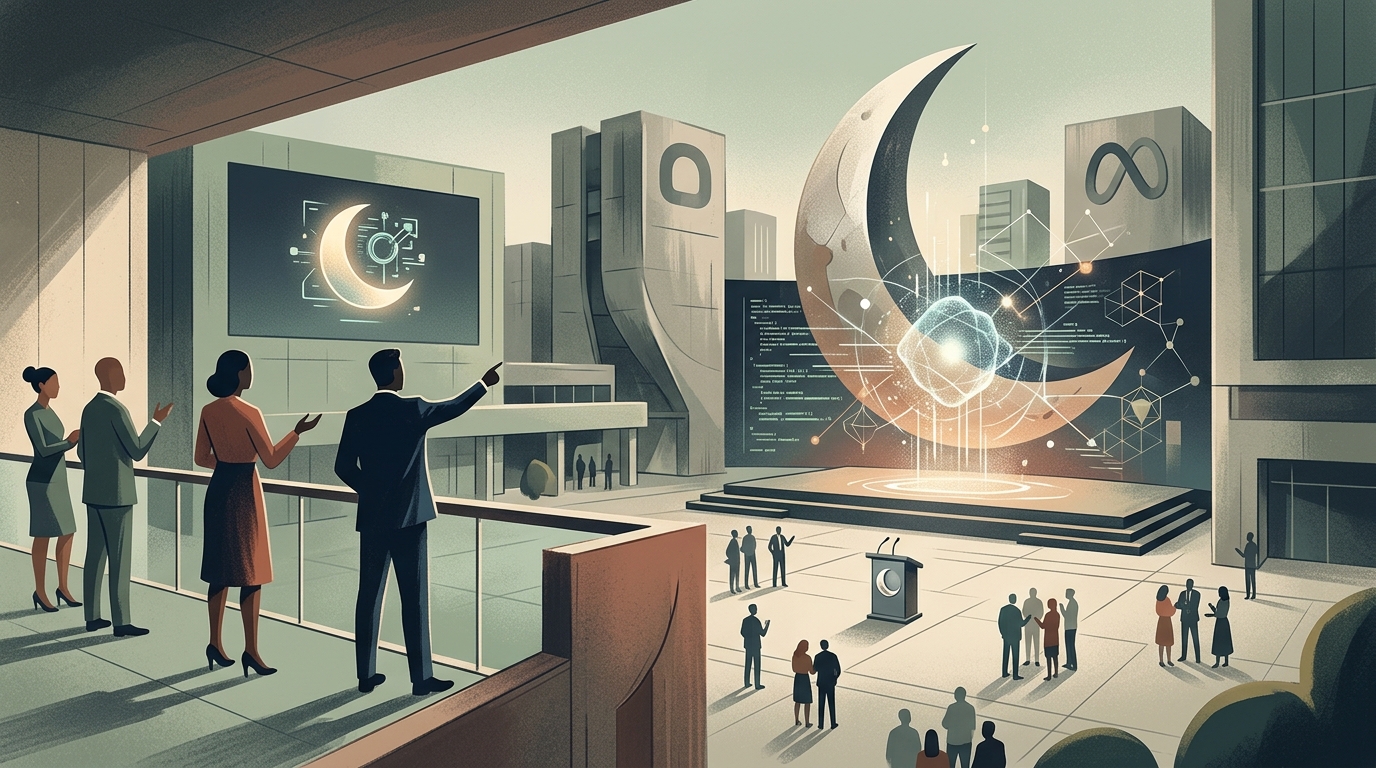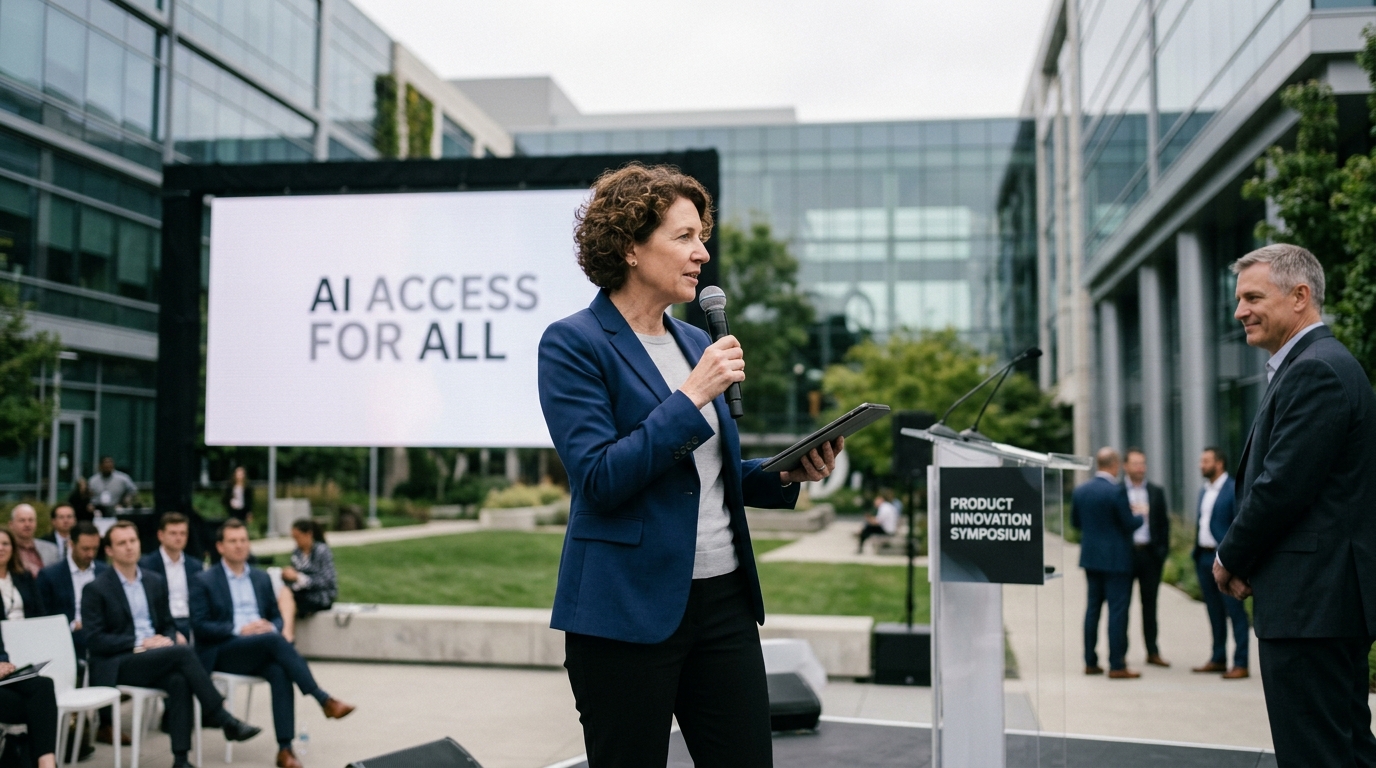
In an era where the banking sector is being fundamentally redefined by digital innovation, Santander is making a move that alters the market landscape. The Spanish banking giant has announced the full integration of its "AI-first" strategy, extending access to generative artificial intelligence tools to its entire workforce of 185,000 employees globally. This is not merely a technological upgrade; it is a fundamental shift in the culture and operational DNA of one of the world's largest financial institutions.
The Democratization of AI in Banking
Santander's decision to equip every employee—from branch advisors to risk analysts at headquarters—with advanced generative AI tools marks a significant milestone. According to official statements, the bank is already witnessing measurable impacts on productivity and customer service. This strategy is rooted in the conviction that artificial intelligence should not be the exclusive domain of a few specialized data scientists, but a daily tool that enhances the capabilities of every staff member.
The implementation of this strategy involves the development of internal platforms that ensure data security and compliance with the stringent regulations of the financial sector. Santander is collaborating closely with tech titans like Microsoft to provide tailored solutions that help employees automate repetitive tasks, analyze vast amounts of data in seconds, and provide faster responses to clients.
Measurable Impact and Operational Efficiency
The bank is moving beyond theoretical promises. Data indicates that the use of AI has already led to a significant reduction in request processing times and improved accuracy in credit risk assessment. In retail banking, AI assistants allow employees to focus on providing high-value advice, leaving bureaucratic processes to the algorithms.
- Reduction in operating costs through back-office automation.
- Enhanced customer experience with faster response times and personalized offers.
- Strengthened security and real-time fraud detection.
- Accelerated development of new financial products.
Santander’s leadership emphasized that AI is the catalyst that will allow the bank to compete with agile fintech companies while maintaining the trust and scale of a traditional institution. The bank's ability to turn data into actionable insights is now its primary competitive advantage.
The Human Dimension and the Upskilling Challenge
One of the most critical elements of the announcement is the commitment to staff upskilling. Santander acknowledges that the introduction of AI can cause anxiety regarding the future of work. Consequently, it has launched one of the world's largest digital literacy programs, training its 185,000 employees on how to collaborate with AI effectively.
"AI will not replace bankers, but bankers who use AI will replace those who do not," a bank executive noted during the strategy presentation.
This approach places the human at the center (human-in-the-loop), ensuring that final decisions—especially those involving ethics and personal client relationships—remain human. The challenge is immense: how do you transform a legacy organization into an innovation engine without losing the trust of your workforce?
Challenges, Ethics, and the Road Ahead
Despite the optimism, the path to full AI adoption is not without hurdles. Santander must navigate a complex regulatory environment, particularly in Europe with the implementation of the EU AI Act. Protecting customer privacy and avoiding algorithmic bias are priorities that require constant vigilance.
Furthermore, reliance on major technology providers raises questions about the digital sovereignty of European banks. However, Santander seems determined to lead the race. By the end of 2026, the bank expects AI to be integrated into every aspect of its operations, setting a new standard for "Banking 4.0."
In conclusion, Santander's move is a bold global experiment. If successful, it will prove that traditional giants can be reborn through technology. If it falters, it will serve as a costly lesson on the limits of automation. What is certain is that the banking map will never be the same again.