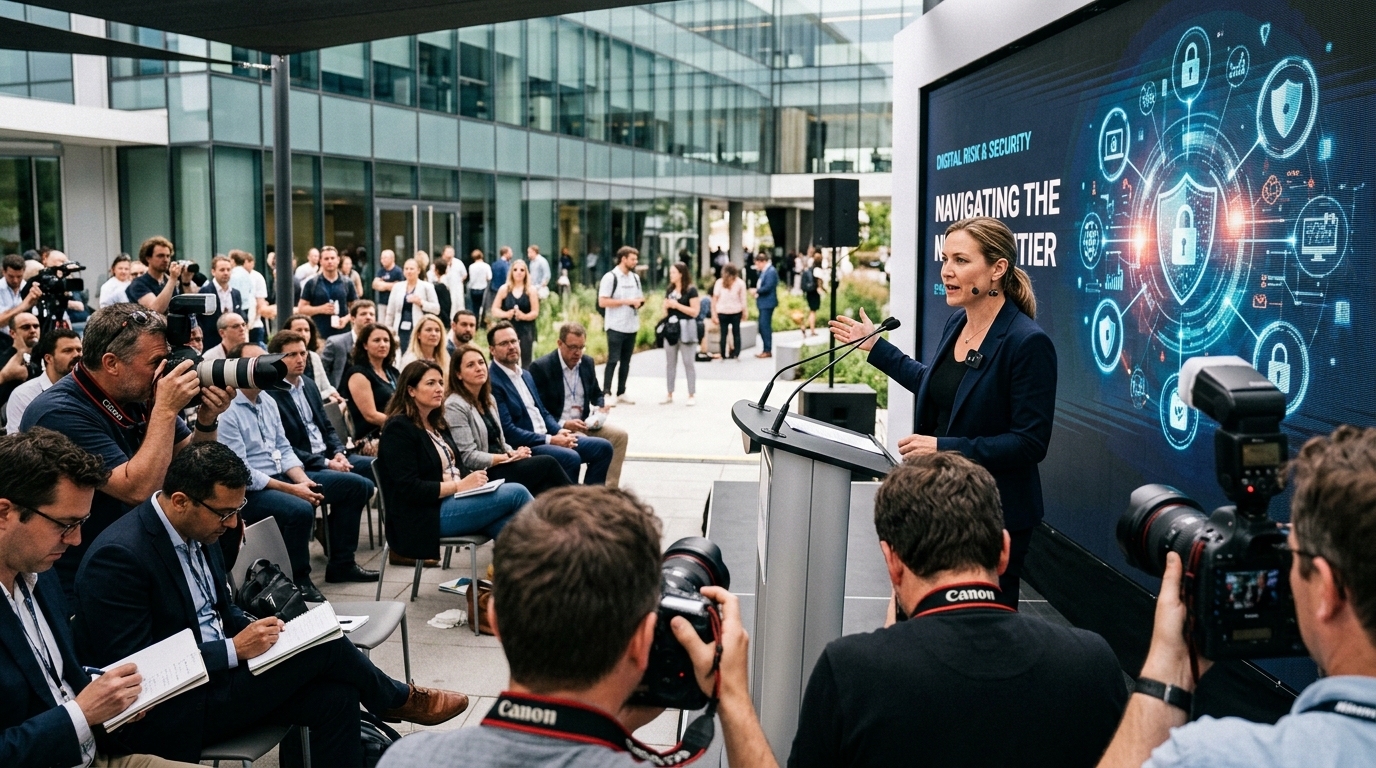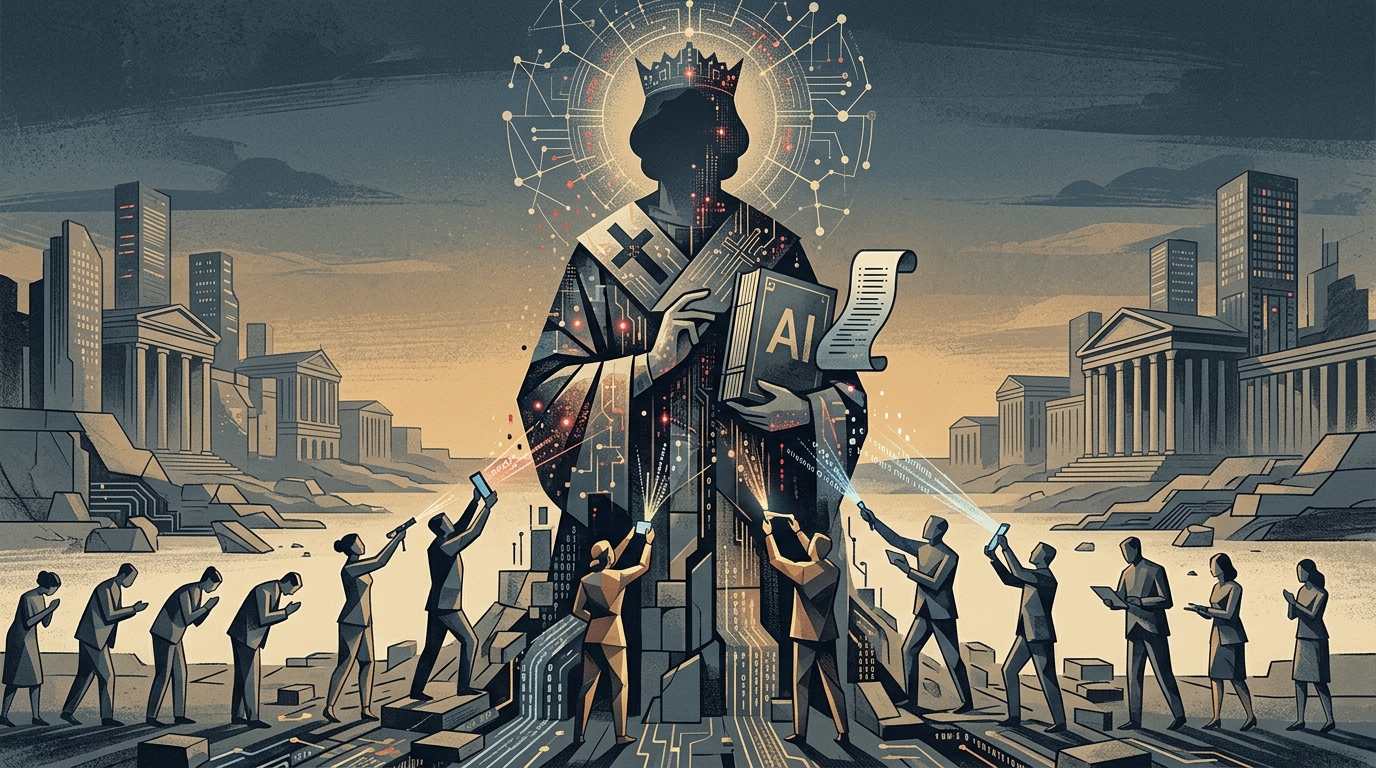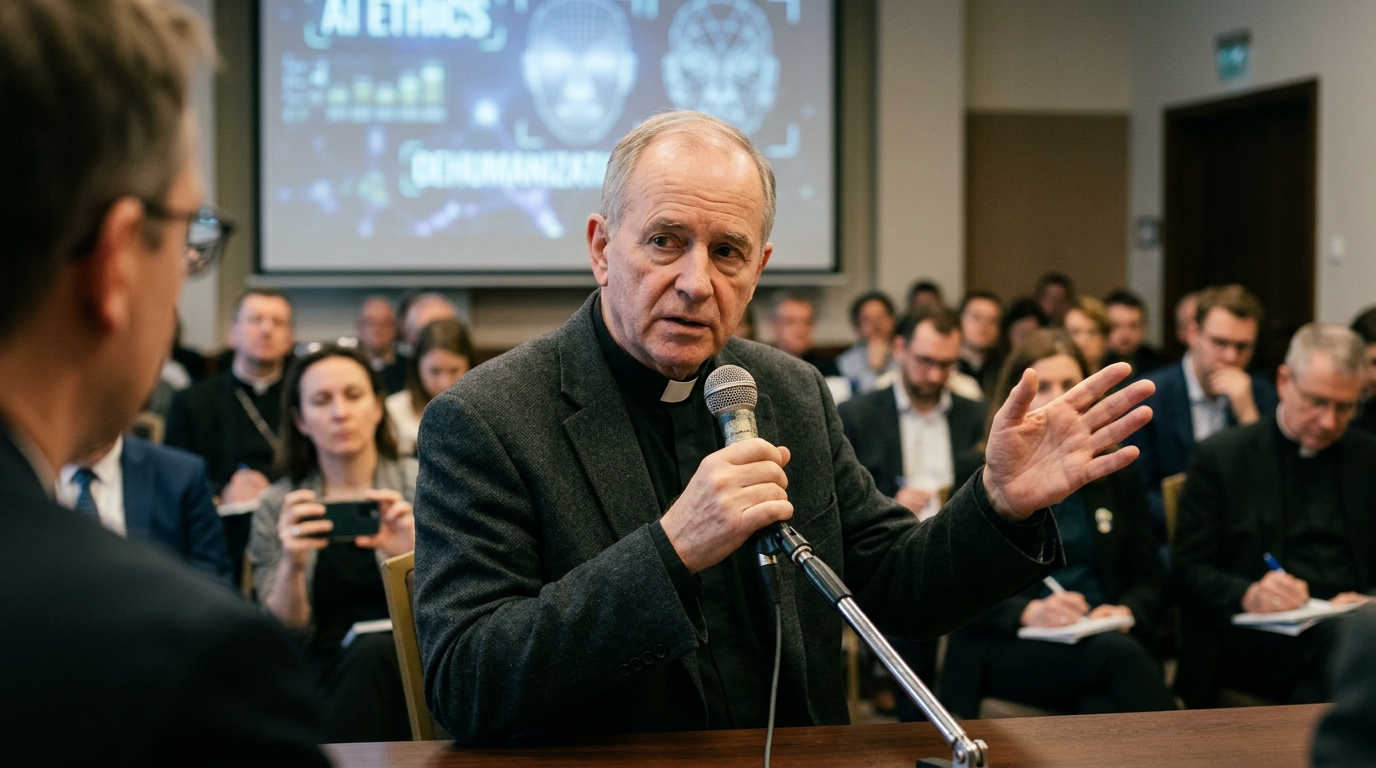
In an era where digital imagery once served as the ultimate proof of reality, the rapid evolution of Generative AI is turning everything upside down. A recent study, highlighted by KUTV, brings to light a disturbing reality: the majority of people now struggle significantly to distinguish authentic content from deepfakes. As we navigate through 2024, technology has reached a tipping point where intuition and observation are no longer sufficient to protect us from misinformation.
The Collapse of 'Seeing is Believing'
The study emphasizes that participants, regardless of age or technical proficiency, failed to identify AI-generated content at rates approaching random chance (50/50). This means the human eye has effectively lost the battle against algorithms. In the past, deepfakes gave themselves away through subtle flaws: unnatural blinking, lighting inconsistencies, or strange lip movements. Today, diffusion models and advanced neural networks have smoothed over these 'digital glitches,' creating faces and voices that carry all the emotional weight and naturalism of a real human being.
The ethical dimension of this phenomenon is staggering. It is not merely a technological challenge but an ontological threat. When we cannot agree on what is real, the very foundation of social cohesion and democratic discourse is shaken. The study shows that exposure to deepfakes, even when later debunked, leaves a 'cognitive footprint' on the viewer, altering their perception of reality and the individuals involved.
The 'Liar's Dividend' and Political Instability
One of the most dangerous side effects of the rise of deepfakes is what researchers call the 'Liar’s Dividend.' As the public becomes aware that any video could be fabricated, a universal distrust emerges. This allows malicious actors or political leaders to dismiss real, incriminating evidence as 'deepfakes.' Doubt becomes a weapon.
- The erosion of trust in institutions and mainstream media.
- The use of deepfakes in disinformation campaigns during election cycles.
- The psychological strain on citizens who feel powerless to navigate the information ocean.
- The urgent need for legal frameworks mandating the labeling of AI content.
In the United States and Europe, the implementation of regulations like the EU AI Act seeks to establish rules, but technology often moves faster than legislation. The study concludes that technical solutions, such as digital watermarking and the C2PA protocol, are necessary but insufficient. What is required is a radical overhaul of media literacy, where citizens are trained not to 'see' the lie, but to verify the source and context of information.
Toward a New Digital Humanism
The challenge we face is not just technical; it is profoundly human. We must decide what value we place on truth in a world that makes it optional. Tech companies bear a massive responsibility, as the tools they create for creativity and entertainment are being weaponized for manipulation. The study presented by KUTV serves as a reminder that technology, while capable of enriching our lives, can simultaneously blind our judgment. Protecting the truth now requires a collective effort—a 'digital shield' composed of ethical commitment, legislative rigor, and critical thinking.
"Truth is no longer something we see, but something we must prove through multiple sources and irrefutable data," says one of the lead researchers of the study.
In conclusion, it is clear that the battle against deepfakes will not be won in laboratories, but in society. Our ability to remain informed and skeptical, without sliding into absolute cynicism, will define the quality of our democracy in the years to come. We are entering a phase where the burden of proof has shifted, and the cost of being wrong has never been higher.