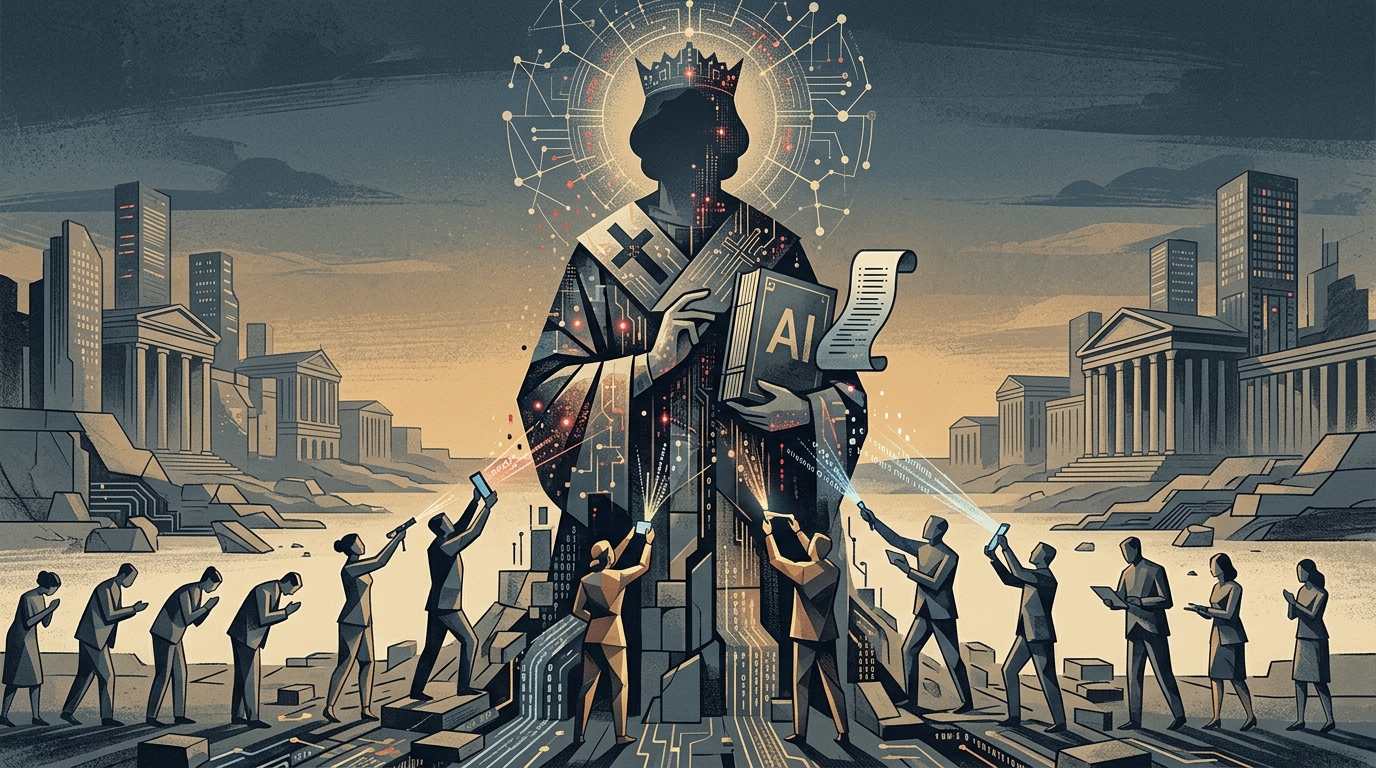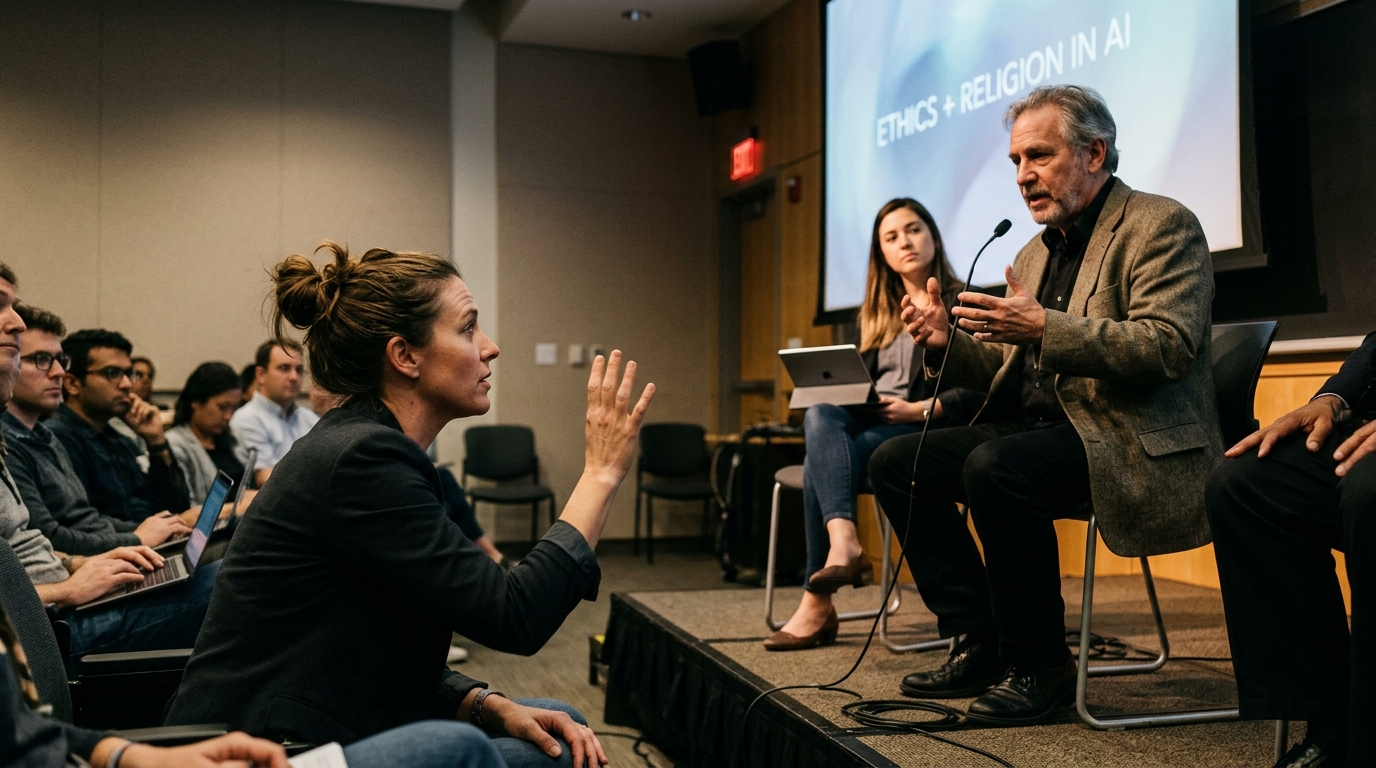
In the heart of Silicon Valley, where rationalism and data-driven logic have long been the reigning dogmas, a quiet but profound shift is occurring. Engineers and leaders of tech giants, having reached the limits of secular ethics and utilitarian philosophy, are now turning to an unexpected ally: religion. The quest for "Ethical AI" is no longer just a matter of code and algorithms, but an existential search borrowing principles from the Vatican, Jewish law, and Eastern traditions.
The Rome Call and 'Algorethics'
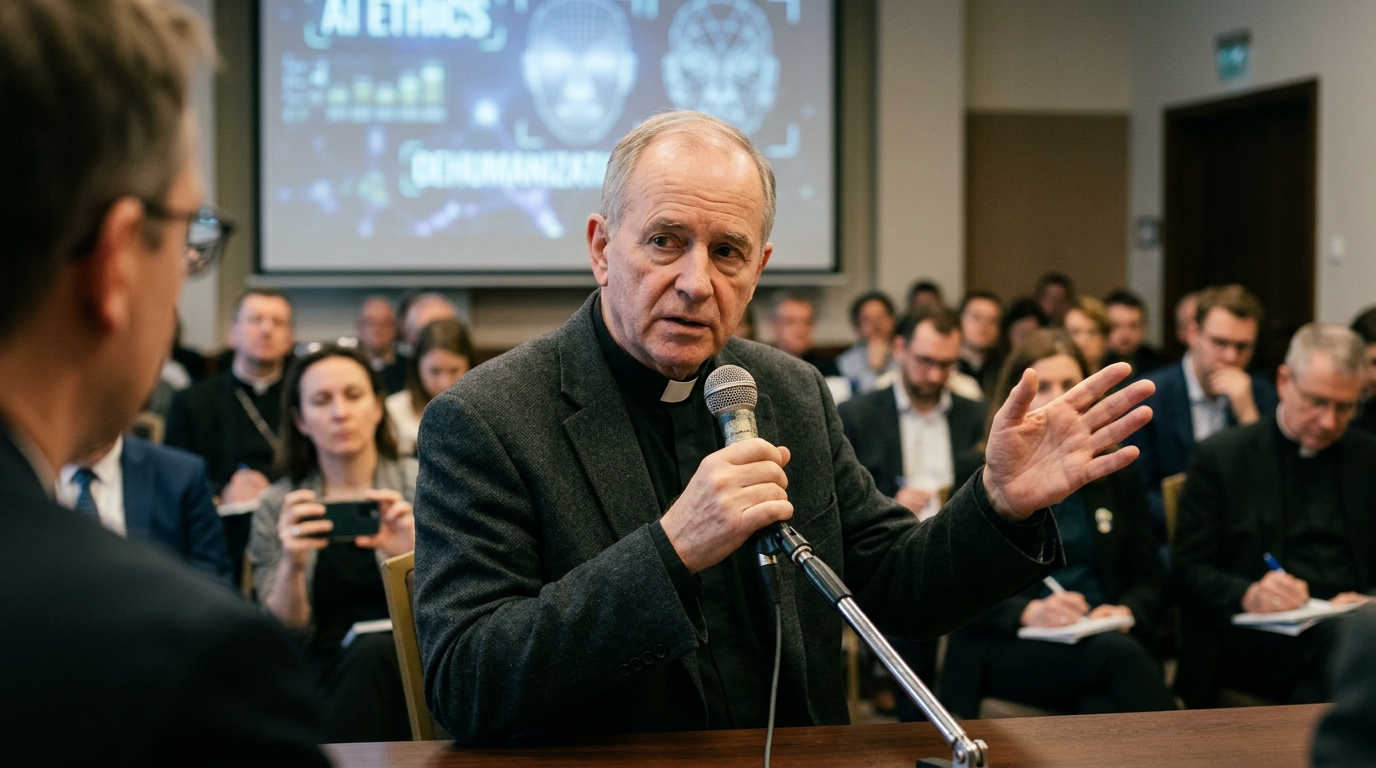
One of the most significant moments in this intersection of faith and technology was the "Rome Call for AI Ethics." Supported by the Pontiff and joined by companies like Microsoft and IBM, the Vatican laid the groundwork for what it calls "Algorethics." The core idea is simple yet radical for the digital world: technology must serve the human person and their dignity, not the other way around.
Theologians involved in these discussions argue that secular ethics often focuses on risk management and legal compliance, overlooking the deeper question of what it means to be human. The Catholic Church, with its centuries-old tradition of social teaching, offers a framework emphasizing community and care for the vulnerable—elements often missing from the profit-optimization models of Big Tech.
From Halakha to Dharma: Ancient Wisdom for Modern Data
It is not only Christianity offering answers. In Judaism, scholars are examining "Halakha" (Jewish law) to see how ancient debates on responsibility and liability can apply to autonomous systems. If a self-driving car causes an accident, who bears moral responsibility? Talmudic discussions on damages caused by animals or inanimate objects provide surprisingly relevant analogies.
Similarly, Buddhist philosophy contributes the concept of "non-harm" (ahimsa) and the interconnectedness of all beings. In a world where AI can polarize societies through algorithmic bias, the Buddhist emphasis on intention (karma) and the reduction of suffering offers an alternative path to a purely mathematical approach to ethics. Researchers are looking for ways to integrate these values into the "reward systems" of neural networks, attempting to teach machines something akin to compassion.
The Risk of Dogma and the Challenge of Universality
Of course, this turn toward religion is not without its critics. Many secular ethicists and activists warn that involving religious institutions could introduce dangerous biases. Whose religion’s ethics will we follow? If an AI is trained based on conservative religious values, how will this affect the rights of women or the LGBTQ+ community?
"AI ethics must not become the new field for missionary activity," notes a researcher from MIT.
The challenge remains finding a "common language." While religions offer depth, technology requires universality. The bet for the coming years is whether Silicon Valley can absorb the wisdom of these traditions without adopting their exclusions, creating an AI that is not just smart, but "wise" in the humanistic sense of the word.
Conclusion: A New Synthesis
Technology's turn toward religion is an admission that science alone cannot answer the question of "the good." As we approach the creation of systems that will make life-and-death decisions, the need for an ethical foundation that transcends binary code becomes imperative. The collaboration between scientists and theologians may be our last chance to ensure that Artificial Intelligence remains a tool for human elevation rather than an algorithm that alienates us from our own values.