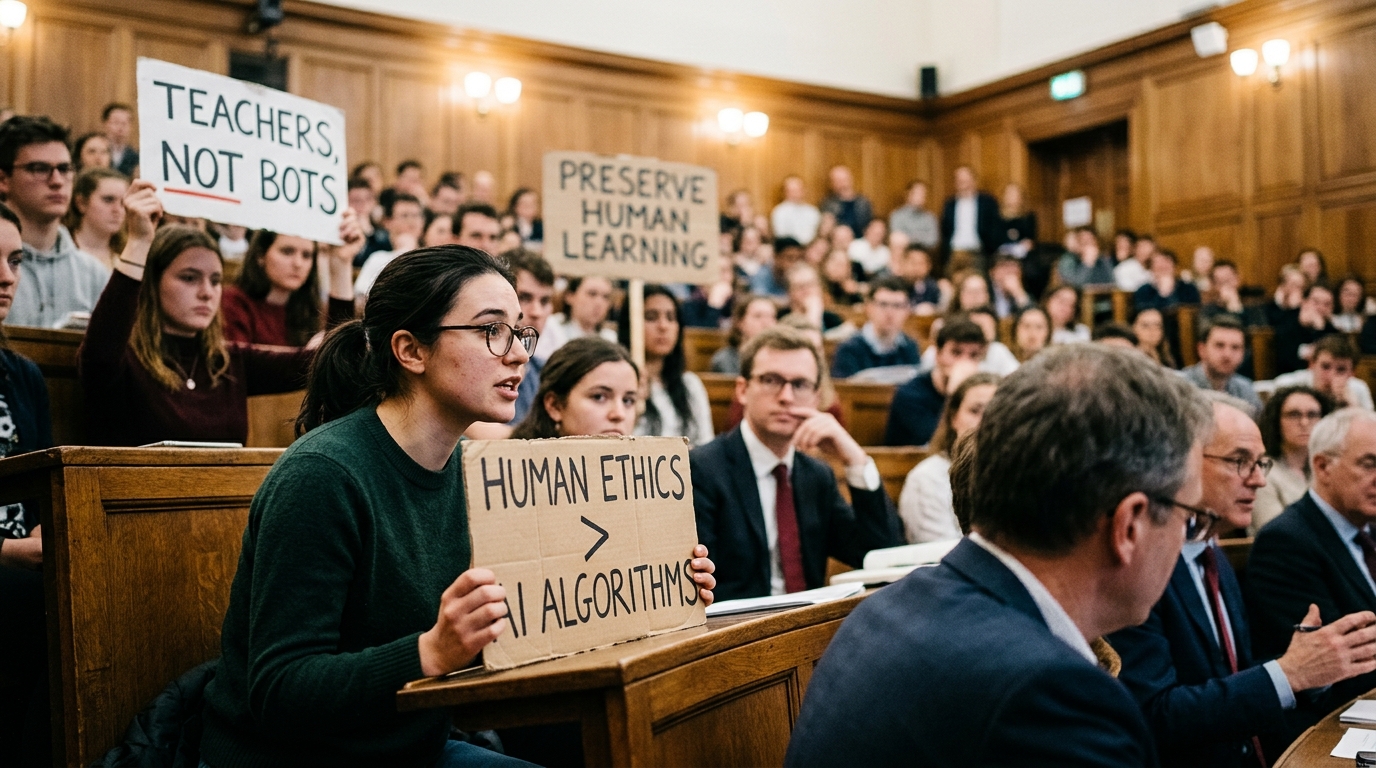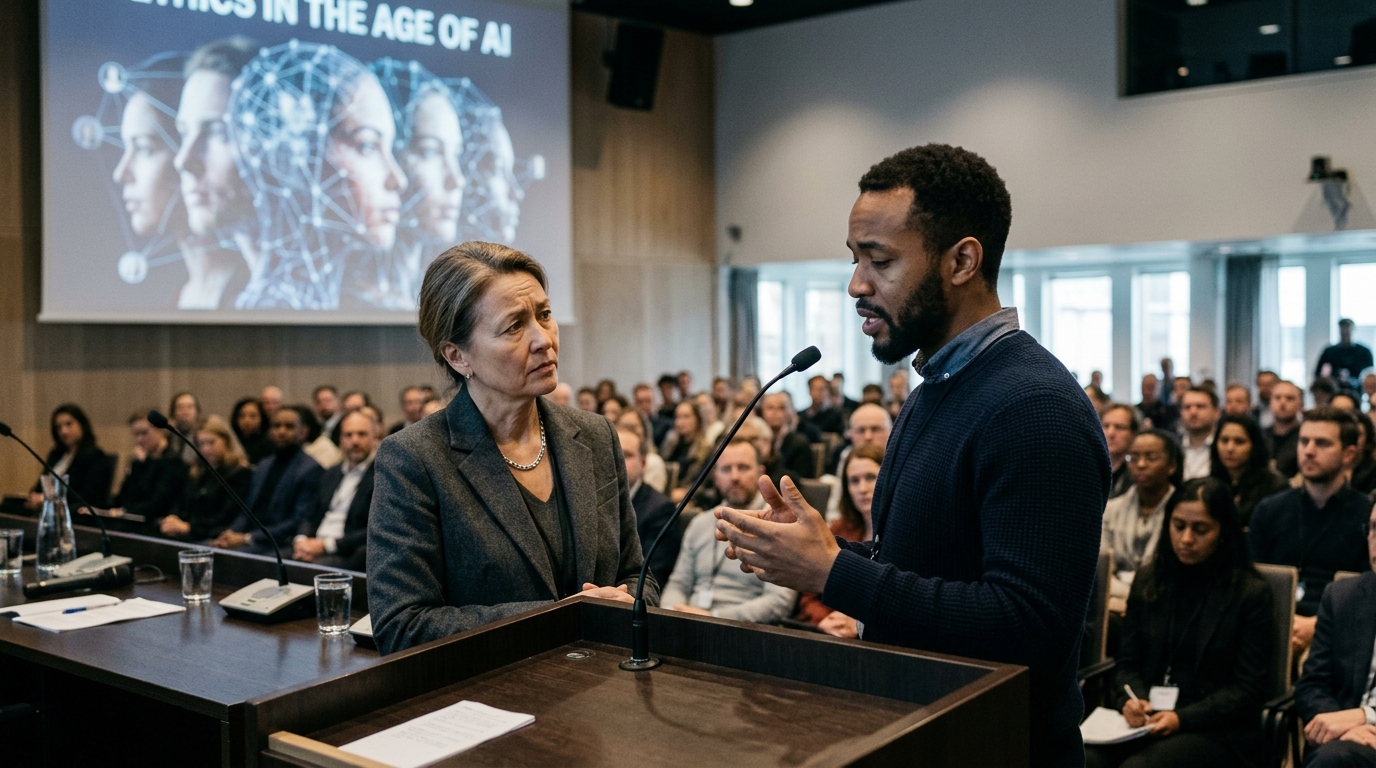
As we move through the first half of 2026, Artificial Intelligence (AI) is no longer a futuristic vision but the invisible backbone of our daily existence. From the way we consume news to medical diagnoses and judicial decisions, algorithms have permeated every facet of human activity. However, the initial euphoria regarding efficiency and speed has given way to a profound skepticism. As highlighted in recent discourse, the real concerns no longer revolve around sci-fi scenarios of rogue robots, but rather the silent and gradual erosion of the fundamental principles of our society.
The Erosion of Human Agency and Algorithmic Sovereignty
Perhaps the most significant concern pertains to the loss of human agency. Today, AI agents do not merely suggest content; they make decisions on our behalf. The convenience they offer creates a dependency that gradually atrophies our critical faculties. When an algorithm curates the news we read, the investments we make, and even our social interactions, a pressing question arises: Who is truly in control of our will? The "choice architecture" has shifted from human to machine, often in opaque ways that serve corporate interests rather than the individual good.
- The gradual loss of decision-making skills due to over-reliance on AI systems.
- The creation of "digital echo chambers" that restrict exposure to diverse viewpoints.
- The use of psychological profiling for algorithmic manipulation of consumer and political behavior.
The Crisis of Objective Truth in the Age of Deepfakes
In 2026, distinguishing between reality and fabricated content has become nearly impossible for the average citizen. Deepfake technology and synthetic media have reached such a level of perfection that audiovisual evidence is no longer proof of truth. This creates a state of "accelerated nihilism," where citizens, unsure of what to believe, end up believing nothing at all. The undermining of trust in institutions, media, and our fellow citizens is perhaps the most dangerous byproduct of unchecked AI development.
"When truth becomes optional, democracy becomes impossible. AI does not just threaten our jobs; it threatens the common ground upon which we build our social reality."
The Accountability Gap and the "Black Box" of Decisions
Another critical issue is the so-called "black box" problem. Many of the advanced algorithms in use today are so complex that even their creators struggle to explain how they arrived at a specific decision. In critical sectors such as healthcare or criminal justice, the lack of transparency and explainability raises serious ethical questions. Who bears responsibility when an AI medical system makes a wrong diagnosis? How can a citizen challenge a decision made by an opaque algorithm?
Digital Feudalism and the Concentration of Power
Finally, the economic and political dimensions of AI cannot be ignored. Developing leading models requires immense resources—computational power and data—that only a few tech giants possess. This leads to a new form of digital feudalism, where the infrastructure of modern thought and communication belongs to a handful of corporations. This inequality is not just economic but cognitive, as access to advanced knowledge and AI tools becomes a privilege of the few, widening the gap between the "technologically privileged" and the rest of society. The need for a global ethical code and a stricter regulatory framework is more urgent than ever to ensure technology serves humanity and not the other way around.