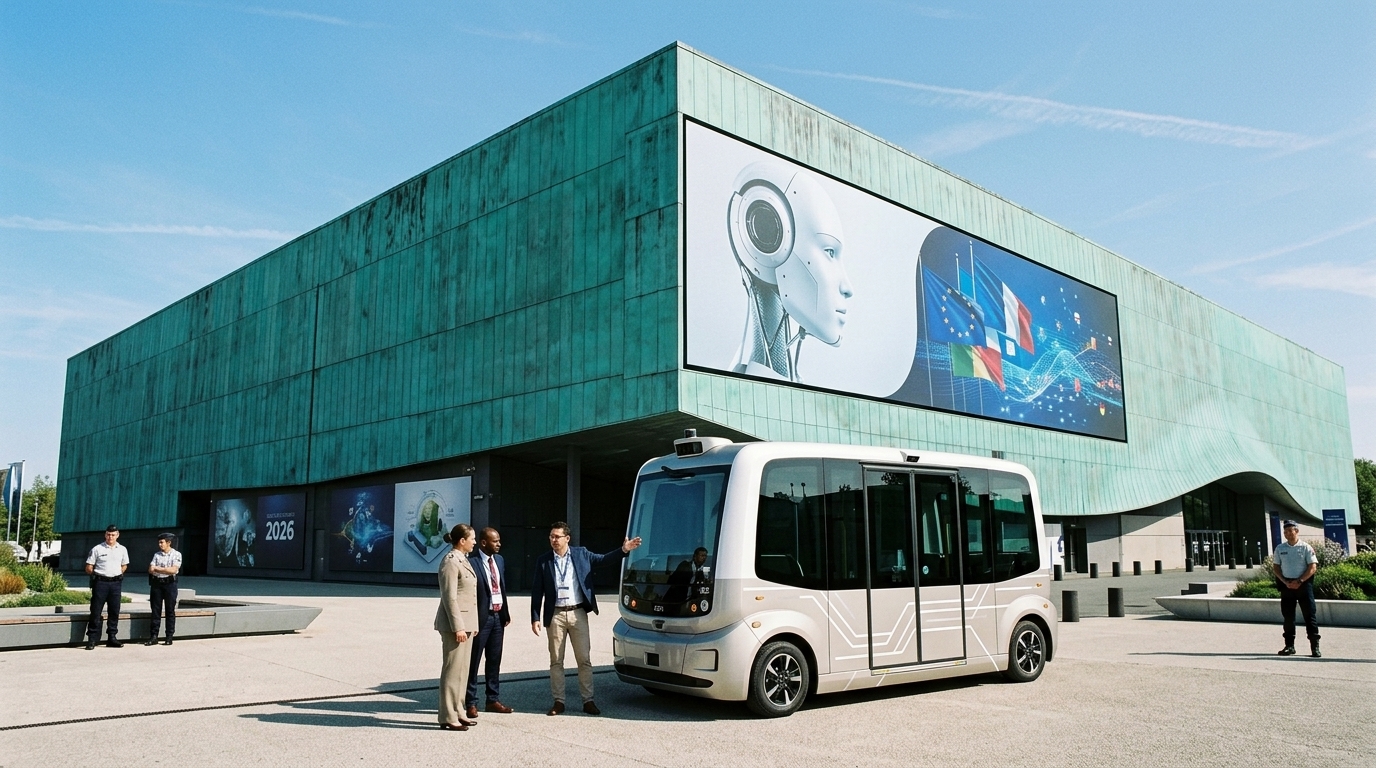
The curtain has fallen on Eurosatory 2026 in Paris, leaving behind a clear vision of the future of global security: technology is no longer just a support tool but the central pillar of deterrence. With thousands of exhibitors and official delegations from every corner of the globe, this year's event focused on the rapid integration of Artificial Intelligence (AI), system autonomy, and the urgent need for European industrial cooperation in a geopolitical environment increasingly reminiscent of the Cold War era.
The Revolution of AI and Unmanned Systems
If Eurosatory 2024 was the exhibition of "awakening" following the invasion of Ukraine, the 2026 edition is the exhibition of "application." Artificial Intelligence dominated every booth, from target detection systems to supply chain management. The drone swarms showcased this year are no longer experimental; they are fully functional systems capable of communicating with each other without human intervention, using algorithms to bypass enemy electronic warfare. The focus has shifted from hardware to software, with defense industries gradually transforming into software companies that happen to manufacture weapons.
Particularly impressive were the next-generation loitering munitions, which incorporate autonomous Identification Friend or Foe (IFF) capabilities through real-time optical analysis. While these developments enhance effectiveness, they raise serious ethical questions regarding the automation of lethal force—a topic extensively debated during the exhibition's panels. Analysts pointed out that the speed of modern operations makes the "human-in-the-loop" a luxury that may soon be unattainable.
European Strategic Autonomy: From Theory to Practice
On a political level, Eurosatory 2026 acted as an accelerator for the European Defence Industry Programme (EDIP). The European Commission and member states used the exhibition to seal deals aimed at reducing dependence on the United States. The discussion on "European preference" in defense procurement was more intense than ever, with France and Germany leading efforts for joint development programs like the Main Ground Combat System (MGCS) and air defense systems. The need for ammunition standardization emerged as a top priority, as lessons from the Eastern European fronts show that a diversity of systems constitutes a logistical nightmare.
- Development of common European platforms for land operations.
- Expansion of production capacity for 155mm shells across the continent.
- Investment in anti-drone systems and directed-energy weapons (lasers).
The Greek Presence and Strategic Alliances
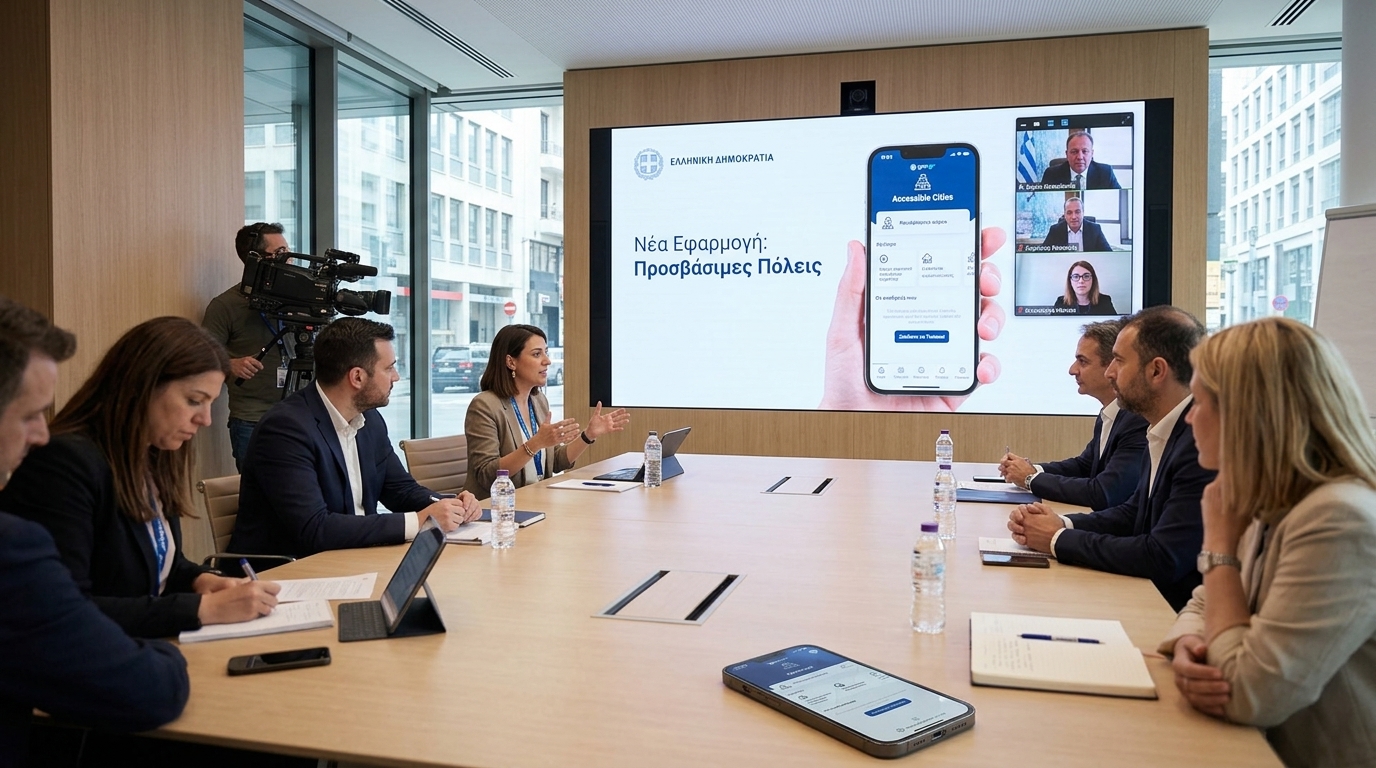
Greece maintained a dynamic presence through the National Pavilion, organized under the auspices of SEKPY. The Greek defense industry, currently in a period of restructuring, sought and achieved significant contacts for integration into international supply chains. Greek companies focused on sectors such as telecommunications systems, advanced armor materials, and unmanned vehicles (UAVs/UGVs). The strategic relationship with France was reflected in meetings between Greek delegations and giants like Thales and Nexter (KNDS), aiming for domestic co-production and technology transfer.
Greece's participation was not just about sales but also about the country's geopolitical position as a pillar of stability in the Southeastern Mediterranean. The need for energy infrastructure protection and border security served as the primary arguments for promoting Greek technological solutions internationally. The success of the Greek presence will be judged by the follow-up of these contacts and the conversion of memoranda of understanding into stable industrial partnerships.
The Future: Toward a Permanent War Economy?
The atmosphere at this year's Eurosatory was somber and focused. The era of "peace dividends" has definitively passed. Governments are now called upon to balance social spending with the need for massive rearmament. The industry, for its part, demands long-term contracts to invest in new production lines. The exhibition's conclusion is clear: security in the 21st century requires speed, innovation, and, above all, unity. Eurosatory 2026 was not just a trade fair; it was a statement of intent for a world preparing for the worst while hoping for the best.