In an era where technological advancement frequently outpaces ethical and legal frameworks, the music industry is facing an existential threat that stems not from piracy, but from algorithms themselves. SZA, one of the most influential voices in contemporary R&B, has voiced a powerful critique against the unchecked use of her work by artificial intelligence companies. The revelation that at least 238 of her songs were used to 'train' generative AI models without her permission marks the latest chapter in an escalating conflict between Silicon Valley and the creative community.
The Digital Plunder of 238 Songs
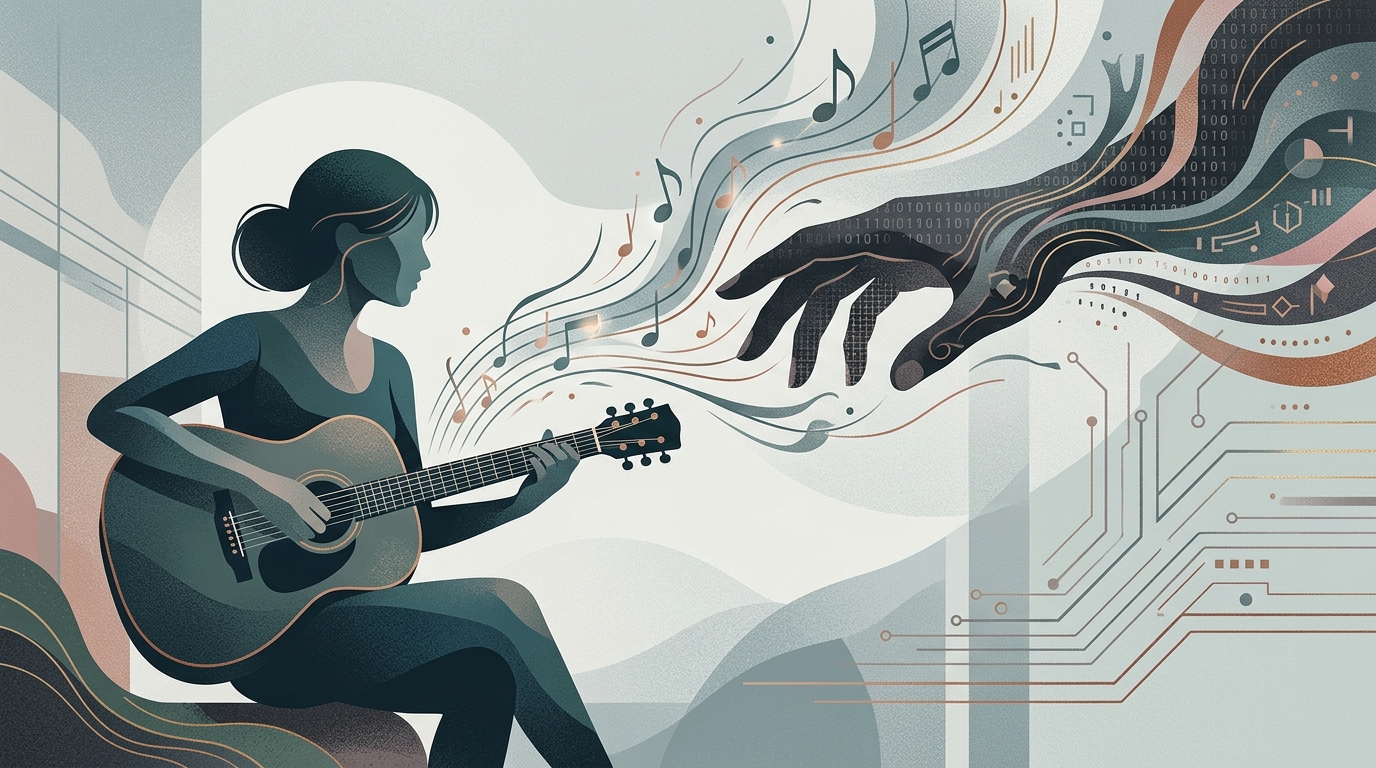
SZA’s protest is more than just an emotional reaction; it is a testament to the staggering scale of the infringement. When discussing 238 tracks, we are not merely talking about radio hits, but the entire artistic trajectory of a creator—from early experimental tracks to today's multi-award-winning productions. AI models, such as those developed by companies like Suno and Udio, 'ingest' vast quantities of data to learn how to mimic styles, vocal timbres, and compositional structures.
The crux of the problem lies in the fact that this training process occurs within a 'black box.' Artists are not consulted, not compensated, and most importantly, have no control over how their voice and creativity are rearranged to create new, synthetic works that often compete with them in the same marketplace. SZA emphasized that this practice strips music of its humanity, converting personal expression into raw material for data processing.
The Legal Counter-Offensive and the 'Fair Use' Doctrine
SZA’s case coincides with a broader legal mobilization. The Recording Industry Association of America (RIAA) has already initiated lawsuits against major AI players, accusing them of copyright infringement on a massive scale. The central argument of tech companies usually rests on the 'fair use' doctrine, asserting that model training is a transformative process that does not violate creators' rights.
However, the music industry is firing back, arguing that there is nothing 'fair' about stealing intellectual property to create a product intended to replace the creator themselves. The use of 238 songs from a single artist demonstrates a targeted effort to replicate a specific 'brand' and aesthetic. If the courts rule in favor of AI companies, the precedent set could signal the end of music as we know it, as investment in new artists would become financially unviable in the face of effortless algorithmic production.
The Ethical Dimension: Soul vs. Algorithm
Beyond dollars and courtrooms, SZA touches a deeper chord: the loss of authenticity. Her music, known for its vulnerability and raw honesty, is a product of human experience, pain, and joy. Artificial intelligence can mimic the frequency of her voice or the rhythm of her productions, but it cannot replicate the lived experience that birthed the song.
The concern among artists is that the public, accustomed to the convenience of instant consumption, might begin to accept 'good enough' instead of 'true.' SZA warns that if we allow AI to dominate without conditions, we risk ending up with a cultural slurry where art is no longer a dialogue between humans but a reflection of statistical probabilities. The need for legislative initiatives, such as the NO FAKES Act in the US, is becoming imperative to protect the 'vocal identity' and likeness of performers.
Conclusion: A Culture at a Crossroads
SZA’s battle is not a fight against technology, but a fight for respect. Artificial intelligence has the potential to offer new creative tools, but this cannot happen at the expense of those who built the foundation upon which these tools stand. The music industry must find a way to coexist with AI, but that path must include consent, credit, and fair compensation. Without these, 'progress' will simply be another way to siphon human creativity for the benefit of tech giants.