OpenAI, the company that once positioned itself as the guardian of "open" and safe artificial intelligence for the benefit of humanity, is currently undergoing a radical transformation. As we approach mid-2026, the company's strategy no longer resembles the idealistic NGO of 2015, but rather an aggressive tech titan reminiscent of the glory days of Google or Microsoft. Recent acquisitions of companies like Rockset and Multi, combined with the absorption of specialized personnel from the data infrastructure sector, signal a pivot toward commercial dominance, leaving behind a trail of existential dilemmas that divide the scientific community.
The Integration Strategy: From Models to Infrastructure
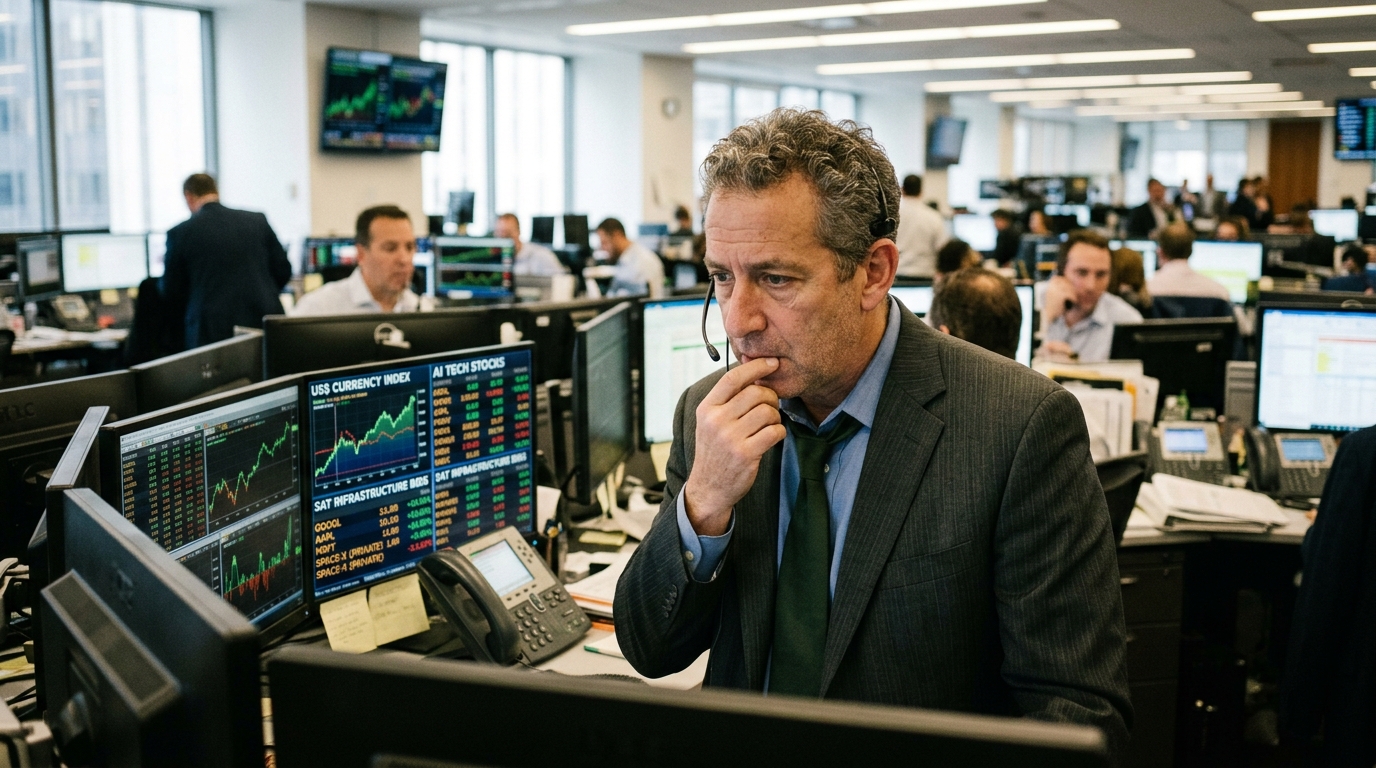
The acquisition of Rockset, a company specializing in real-time data analytics, was no random move. In the AI world of 2026, a model's power is no longer measured solely by its parameter count, but by its ability to process and retrieve information instantaneously. OpenAI seems to realize that to maintain its lead over Anthropic and Google, it must control the entire data "value chain." This shift toward infrastructure suggests the company is preparing for the next phase of generative AI: full integration into enterprise environments where accuracy and speed are non-negotiable.
However, this business expansion comes at a heavy price. The acquisition of talent and expertise is now focused on commercial viability and scaling, often sidelining safety research. The departure of top executives, such as Ilya Sutskever and Jan Leike, who led the "Superalignment" team, serves as a loud warning. Their critique was clear: the safety culture has receded in the face of shiny new product launches.
The Existential Dilemma: Safety as a Barrier to Profit?
The central question looming over Silicon Valley is whether the pursuit of Artificial General Intelligence (AGI) can coexist with shareholder demands. OpenAI, having received billions from Microsoft and other investors, is under constant pressure for results. This creates a dangerous dynamic: a "race to the bottom" regarding safety protocols. When a company acquires others to accelerate development, the time dedicated to auditing unpredictable model behaviors tends to shrink.
- The dissolution of the Superalignment team suggests a shift in priorities.
- Acquisitions focus on operational efficiency rather than ethical alignment.
- The lack of transparency in acquisition deals raises concerns about power concentration.
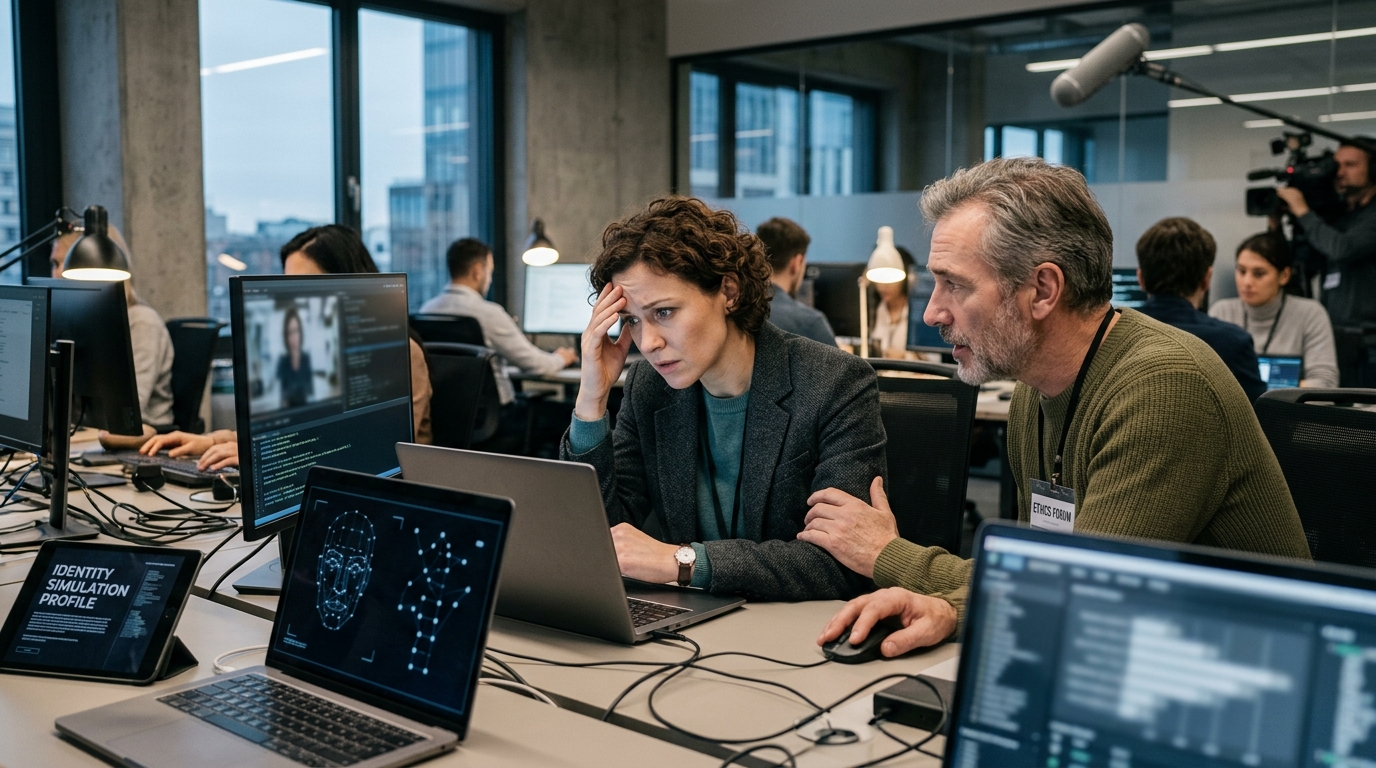
In this context, existential dilemmas are no longer theoretical sci-fi scenarios. They concern the autonomy of AI systems, the possibility of human intervention during a crisis, and ensuring that algorithmic incentives do not clash with human survival. OpenAI argues its acquisitions will help build safer systems through better infrastructure, but critics see an attempt to monopolize the market before regulators can react.
The Geopolitical Dimension and the European Challenge
For Europe and the global community, OpenAI's moves have profound implications. The concentration of critical technologies in the hands of a single American entity creates a dependency reminiscent of the operating system era. The EU AI Act attempts to set boundaries, but the speed of OpenAI's acquisitions often outpaces the bureaucratic slowness of Brussels. If OpenAI manages to integrate technologies that make AI indispensable for every public service and business, the talk of Europe's "digital sovereignty" will become a moot point.
"We aren't just building tools; we are building the new substrate of human cognition. The question isn't whether we will do it, but who will hold the keys," a senior industry figure recently stated, capturing the stark reality of the situation.
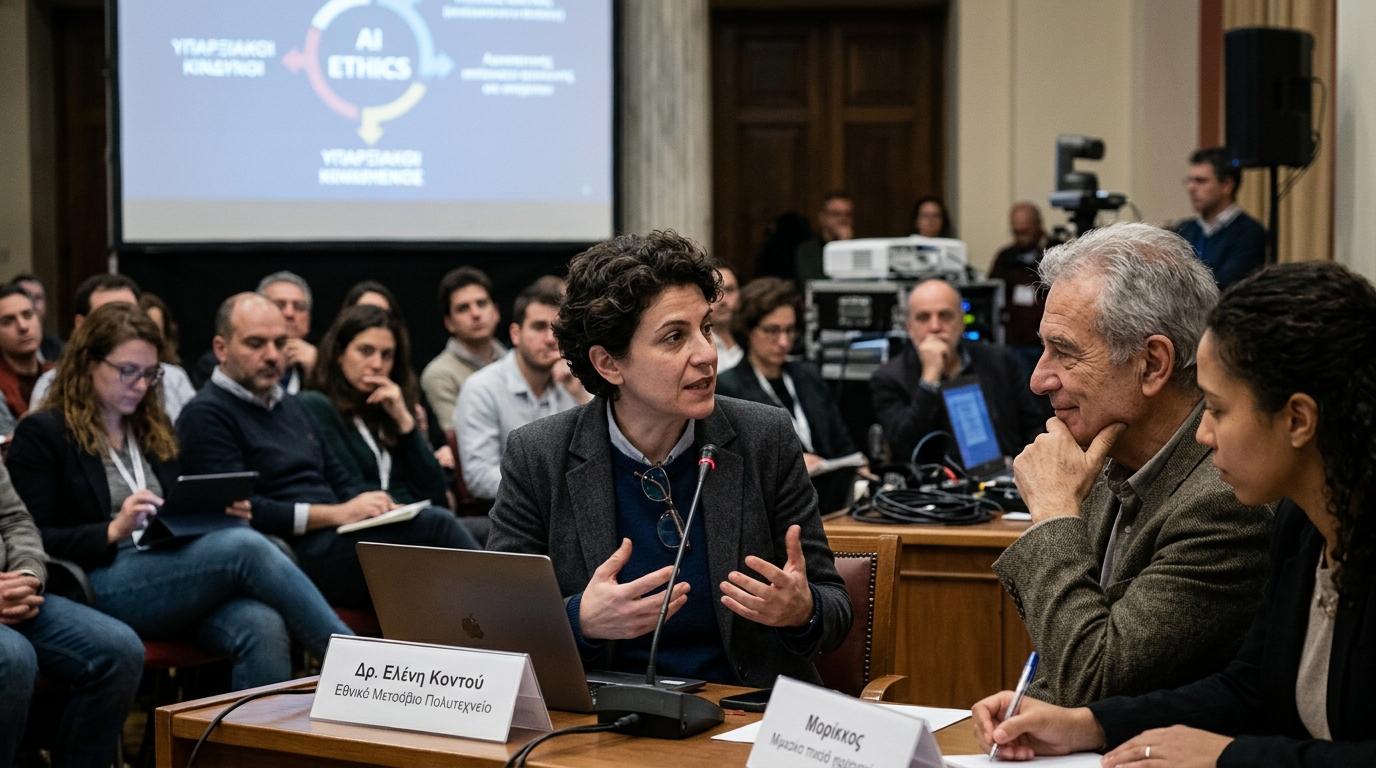
In conclusion, OpenAI's acquisitions are not mere business moves. They are the building blocks of a new world order where artificial intelligence is no longer an experiment but a powerful infrastructure. Whether this infrastructure remains aligned with human values or is sacrificed on the altar of rapid growth remains the greatest gamble of our time. The need for international oversight and a re-evaluation of the ethics of acquisitions in the AI sector is more urgent than ever.