The era when Artificial Intelligence (AI) was the exclusive domain of researchers or adult users is long gone. Today, AI is embedded in toys, educational tools, and digital assistants that children interact with daily. However, the breakneck speed of technological development has left a critical gap: the safety and psychological protection of minors. The recent news regarding the establishment of a new non-profit lab dedicated to "stress-testing" AI for children aims to fill this exact void, acting as an independent auditing mechanism in a world that often prioritizes profit over welfare.
The Need for Independent Auditing
The new lab, supported by organizations such as Common Sense Media, does not merely aim to identify technical bugs. Its mission is deeply ethical and social. Children, due to their developmental stage, are far more vulnerable to manipulation, the anthropomorphization of machines, and the acceptance of misinformation as absolute truth. When a child interacts with a chatbot, they don't see it as a series of statistical word probabilities; they often perceive it as a "friend" or a "teacher."
The stress tests conducted by the lab will focus on three main pillars: privacy protection, the prevention of algorithmic bias, and the psychological appropriateness of content. For instance, how does an AI respond when a child expresses feelings of loneliness or self-harm? Does it provide safe advice, or does it replicate dangerous stereotypes? This independent evaluation is essential, as tech companies often struggle with effective self-regulation.
The EU AI Act and the International Framework
This initiative coincides with a global tightening of legislative frameworks, with the European Union leading the way through the AI Act. European legislation classifies many AI systems aimed at children as "high-risk," requiring stringent audits before and after they hit the market. The new lab aspires to be the "technical arm" of this effort, offering transparency in a process that has hitherto been a "black box."
Furthermore, the need for such structures is highlighted by the fact that AI is no longer passive. Modern systems learn from the user. In the case of children, this means AI can shape their opinions, language, and social skills. Without a lab to monitor these learning mechanisms, we risk leaving the upbringing of an entire generation to algorithms designed for engagement rather than healthy development.
Beyond Technology: A Social Responsibility
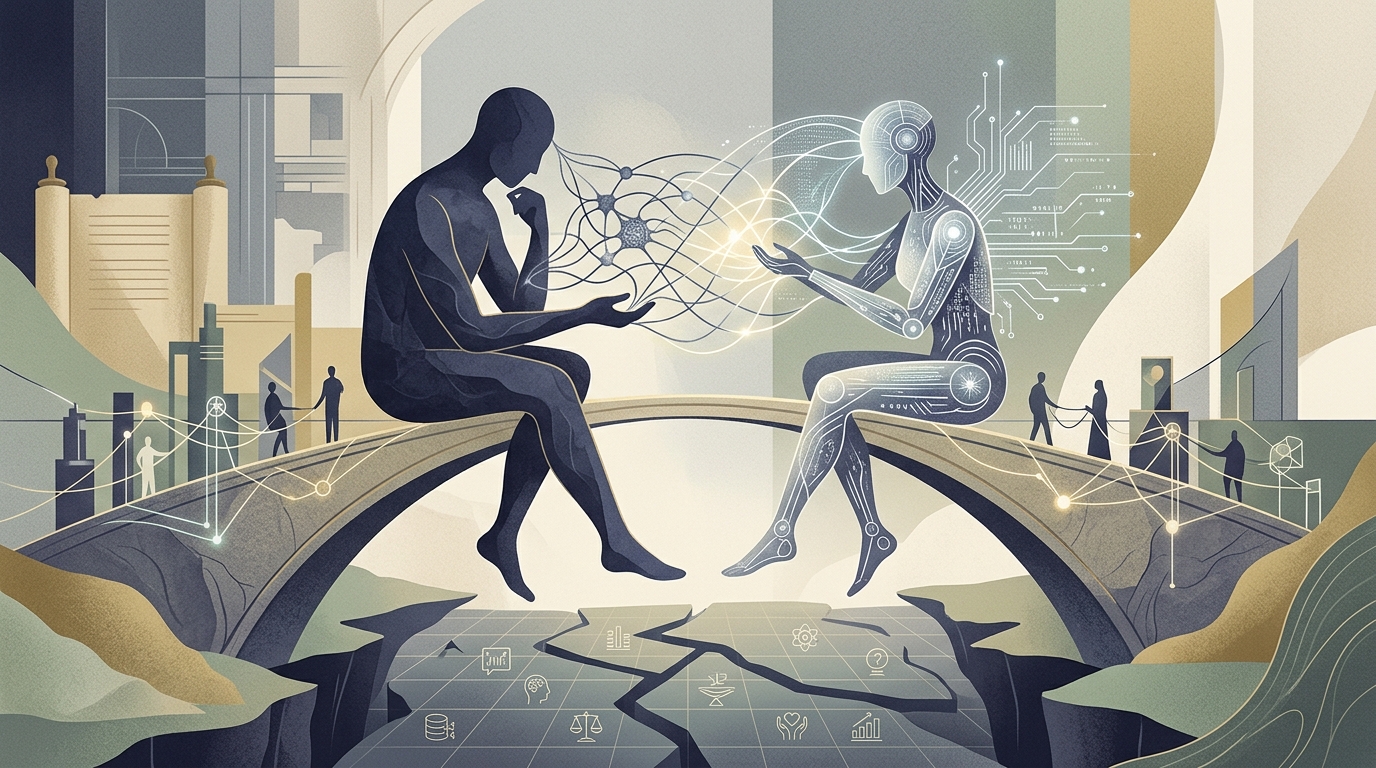
This venture poses a fundamental question: Who is responsible for our children's digital environment? While parents and educators play a crucial role, they cannot be expected to grasp the complex architectures of Large Language Models (LLMs). The existence of a non-profit organization that translates technical complexity into understandable ratings is a massive step toward democratizing digital safety.
- Transparency: Publishing test results so parents know exactly what they are bringing into their homes.
- Accountability: Pressuring companies to rectify flaws in their systems.
- Education: Providing resources for teachers to implement AI correctly in classrooms.
In conclusion, the creation of this lab is an act of resistance against the unchecked proliferation of technology. It serves as a reminder that innovation must not sacrifice innocence and safety. As we move through 2026, the success of such initiatives will determine whether AI will be an ally in children's development or an invisible danger lurking behind glowing screens.