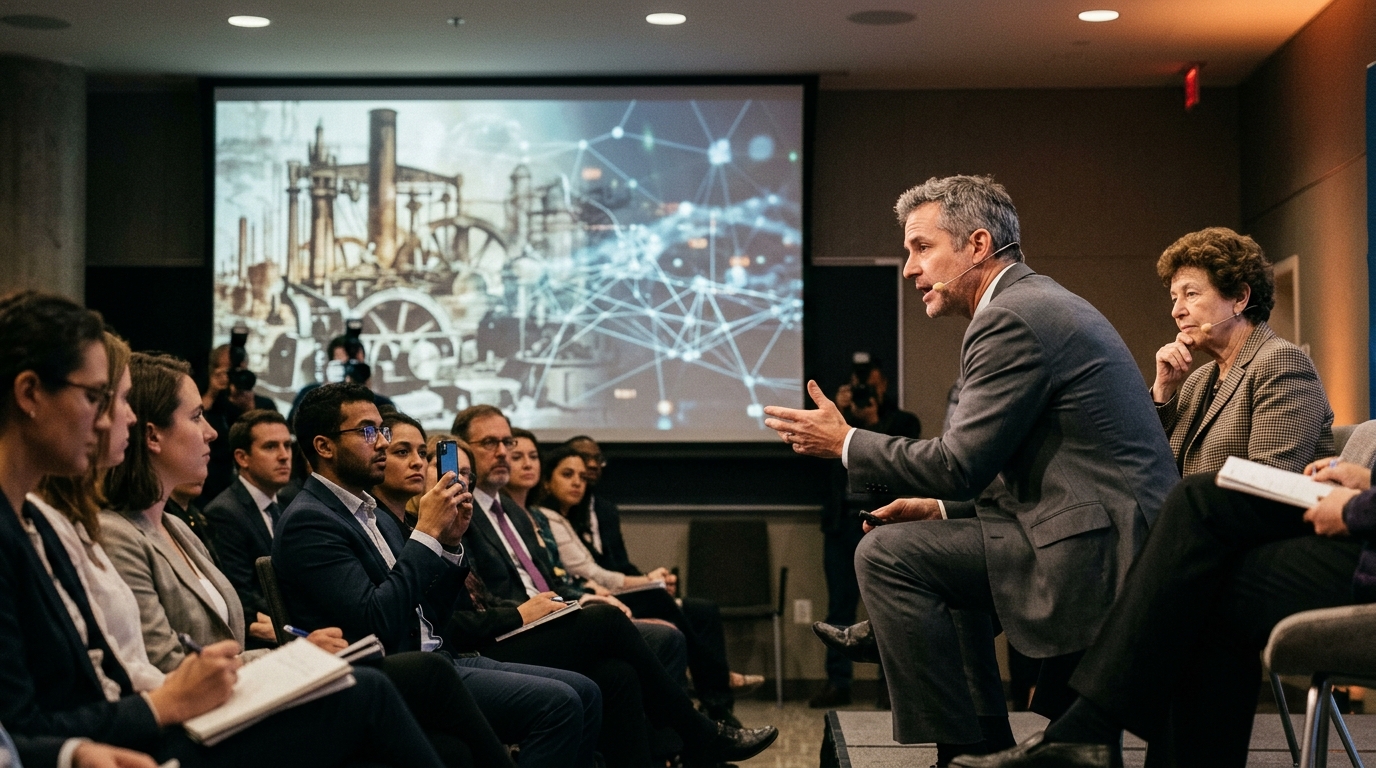
In the late 19th century, the United States was in the throes of a colossal transformation. It was the "Gilded Age," a period where "Robber Barons"—men like Andrew Carnegie and John D. Rockefeller—amassed wealth beyond imagination, monopolizing the steel and oil industries. Today, in 2026, we find ourselves at a strikingly similar juncture. The architects of Artificial Intelligence are not just accumulating capital, but the very computational power and data that will define the future of our species. And like their predecessors, they are now turning to philanthropy to manage the consequences of their creations.
The 'Gospel of Wealth' 2.0
Andrew Carnegie, in his famous essay "The Gospel of Wealth," argued that the rich had a moral obligation to distribute their wealth for the public good. However, this benevolence came with a price: the wealthy individual, rather than the democratic process, decided what was "good" for society. In today's AI era, we are seeing a revival of this mindset. AI leaders, from Sam Altman to Elon Musk, are investing billions into foundations aimed at "AI safety" or "aligning" technology with human values.
The underlying problem remains the same: philanthropy is often used as a tool to set the political agenda without a popular mandate. When a billionaire funds research into AI risks, they are essentially choosing which risks we should take seriously. Will we focus on the existential threat of a future "super-intelligence" (which suits the corporate narrative) or on immediate harms like job displacement, misinformation, and the amplification of bias?
The Trap of Effective Altruism
A key difference between the old and the new era is the rise of "Effective Altruism" (EA). This philosophy, deeply rooted in Silicon Valley, uses mathematical models to maximize the impact of every donation. While it sounds logical, it has led to a strange obsession with "longtermism." Many AI philanthropists prefer to donate to prevent a hypothetical extinction of humanity by robots in 200 years, rather than addressing hunger or climate change today.
- Democratic Deficit: Decisions about the future of humanity are being made in closed boardrooms in Palo Alto, rather than in parliaments.
- Moral Hazard: The same companies creating the risks are funding the "solutions," creating a closed loop of control.
- Reputation Laundering: Philanthropy acts as a smokescreen to avoid stringent regulatory frameworks.
The historical parallel is stark. Carnegie’s libraries were magnificent, but they were built on the backs of workers who were denied the right to unionize and lived in poverty. Today’s AI safety initiatives are funded by profits derived from data scraping and the exploitation of precarious "ghost workers" who label data in the Global South.
From Philanthropy to Accountability
AI philanthropists must understand that generosity is not a substitute for justice. The libraries Carnegie built did not compensate for the low wages and harsh working conditions in his mills. Similarly, AI safety foundations cannot justify the unchecked collection of personal data or the massive environmental footprint of AI data centers.
"Philanthropy is commendable, but it must not cause the philanthropist to overlook the circumstances of economic injustice which make philanthropy necessary." — Martin Luther King Jr.
The lesson for 2026 is clear: The governance of Artificial Intelligence is too important to be left to the whims of a few. We need a new social contract that ensures the benefits of AI are distributed fairly and that risks are managed with transparency and democratic participation. History doesn't repeat itself, but it often rhymes. Let us not allow the gold of Silicon Valley to hide the cracks in our societal foundations. We must move beyond the "Gospel of Wealth" toward a "Gospel of Accountability."
The Path Forward
To avoid the pitfalls of the Gilded Age, we must demand that tech titans subject their philanthropic endeavors to public scrutiny. This means independent audits of safety research, transparent funding for ethical AI, and, most importantly, a separation of corporate interests from public policy. The future of AI should be shaped by the many, not the few who happen to hold the keys to the servers.