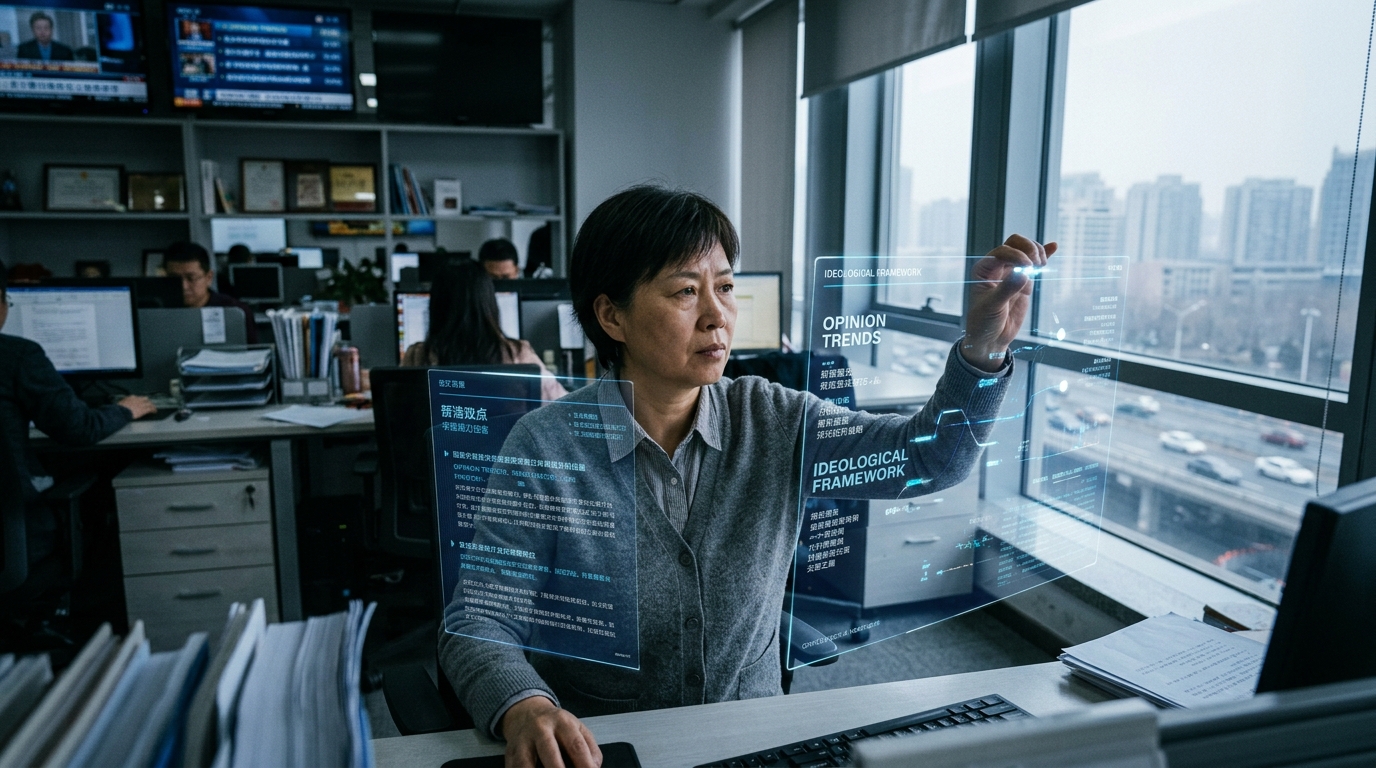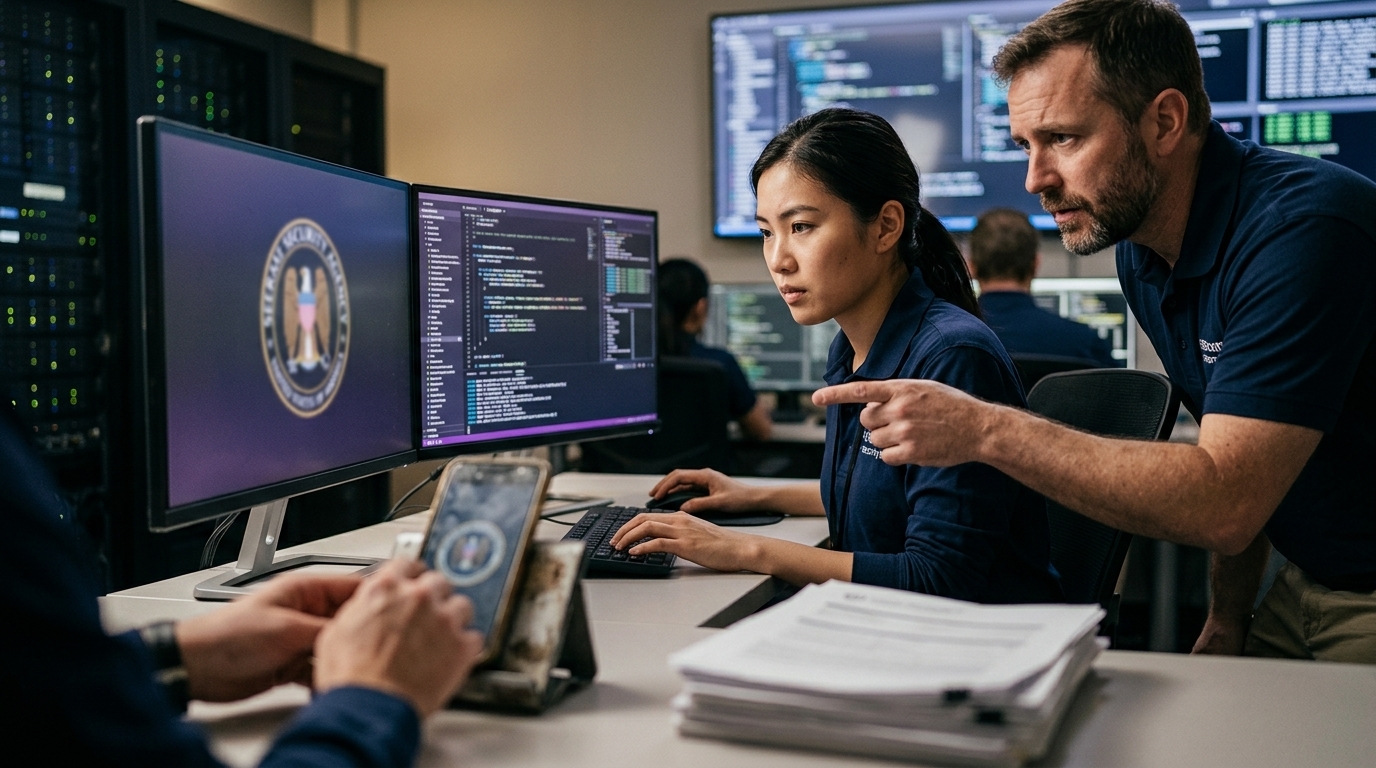
In the rapidly evolving world of digital technology, the concept of "time" has been fundamentally redefined. While cyberattacks once required weeks of planning and manual vulnerability searching, the advent of Artificial Intelligence (AI) has compressed this process into mere seconds. Recent analysis from Fortune Greece highlights a stark reality: the AI threat is not a dystopian future scenario, but a daily challenge already testing the resilience of the global economic and social fabric.
The Asymmetry of Speed: Attackers vs. Defenders
The core problem we face today is the chaotic divergence between the speed at which AI can identify vulnerabilities and the speed at which organizations can remediate them. Large Language Models (LLMs) and specialized machine learning algorithms are now being used for automated code scanning, identifying "holes" that a human analyst would take months to discern. This "democratized" access to sophisticated hacking tools means that even less experienced threat actors can launch nation-state level attacks.
On the other side, enterprises remain trapped in bureaucratic processes and obsolete security protocols. The patching process often requires compatibility testing that lasts weeks, leaving a "window of opportunity" for cybercriminals. AI doesn't just create new threats; it acts as an accelerator for existing ones, rendering traditional defense desperately slow.
Social Engineering 2.0 and the Erosion of Trust
Beyond the technical realm, AI has revolutionized social engineering. Deepfakes—both in video and audio formats—have made phishing terrifyingly effective. Today, an employee might receive a call from their "CEO," with a perfectly cloned voice, requesting an urgent wire transfer. This ability of AI to distort reality strikes at the very foundation of every transaction: trust.
- Automated generation of hyper-personalized phishing messages in any language.
- Use of AI to bypass biometric security systems through synthetic identity.
- Creation of polymorphic malware that alters its own code to evade traditional antivirus detection.
The challenge is now both ethical and structural. How can we protect citizens when the very technology we use for progress becomes the weapon for our subversion?
The Necessity of "Active" Defense
To address this crisis, strategy must change radically. "Passive" defense—waiting for an attack and then reacting—is now a guaranteed failure. Businesses must adopt AI as their primary defensive tool. Utilizing AI for attack prediction, automated isolation of compromised systems, and real-time generation of patch code is the only way to close the speed gap.
"Cybersecurity in the age of AI is no longer a technical issue, but a race for survival where the winner is decided in milliseconds."
In conclusion, the threat is here and it is dynamic. Recognizing the "myth" that we have time to adapt is the first step. The second is investing in human talent capable of overseeing these autonomous defense systems, ensuring that technology remains at the service of humanity and not the other way around.