In 2020, Microsoft made one of the boldest environmental pledges in the corporate world: it promised to become "carbon negative" by 2030. Four years later, the advent of generative AI has created a tectonic shift, pitting business ambitions against ecological responsibility. The tech giant's recent sustainability report revealed a sobering reality: the company's total carbon emissions have surged by nearly 30% since 2020, primarily due to the construction of new data centers required to support the AI revolution.
The Physical Cost of the Cloud
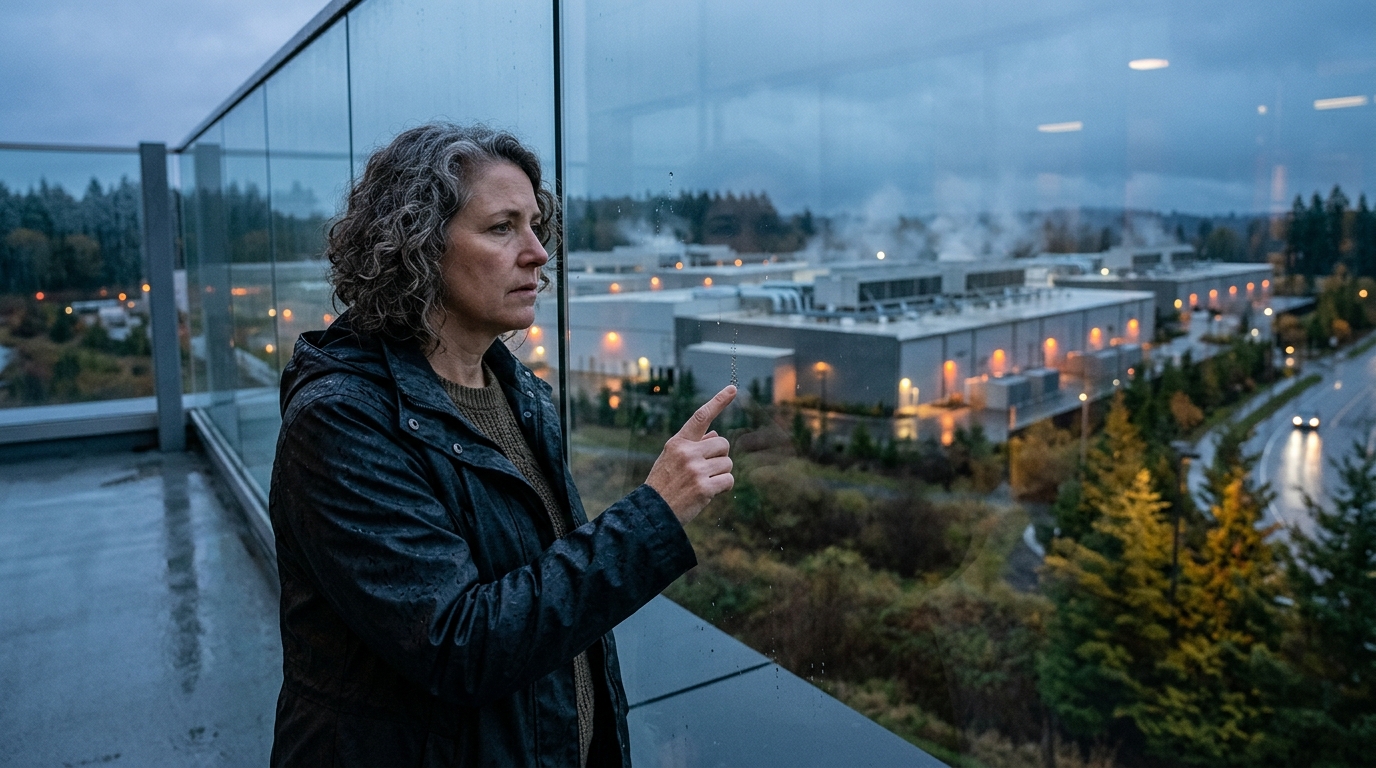
Artificial Intelligence is not an ethereal entity living in the "cloud." It is a heavy industrial process. Every query to ChatGPT or image generation via DALL-E requires immense computational power, which translates into electricity and cooling needs. Microsoft, as the primary backer of OpenAI and provider of the Azure infrastructure, is at the epicenter of this energy hunger. The data centers the company is building globally require vast amounts of steel and concrete—materials that are notoriously carbon-intensive to produce.
These emissions, known as "Scope 3," represent the most significant hurdle. While Microsoft can purchase renewable energy to run its offices and direct operations, the emissions stemming from its supply chain and infrastructure construction are far more difficult to control. The desperate race for AI dominance means the company cannot always wait for the development of greener construction technologies or the decarbonization of the global power grid.
Water Scarcity and Energy Grids
Beyond carbon, water consumption has emerged as a critical flashpoint. Data centers require millions of gallons of water to cool servers that run hot during the training of large language models. In regions already facing water stress, the presence of these massive facilities creates social and political friction. Microsoft has pledged to be "water positive" (replenishing more water than it consumes), but the sheer scale of AI expansion makes this goal look increasingly tenuous.
"The challenge we face is not merely technical; it is existential to our corporate identity," industry insiders suggest, acknowledging that AI is simultaneously the problem and the potential solution.
Can AI Save the Climate?
Microsoft’s defense rests on the premise that AI will be the ultimate catalyst for solving the climate crisis. The company argues that AI can accelerate the discovery of new materials for high-capacity batteries, optimize electrical grids, and provide hyper-accurate weather forecasting for renewable energy management. However, there is a looming risk of the "Jevons Paradox": as technology becomes more efficient, its usage increases so dramatically that the total resource consumption rises rather than falls.
To bridge the energy gap, Microsoft is betting on experimental technologies, such as Small Modular Reactors (SMRs) and nuclear fusion through its partnership with Helion Energy. While these solutions promise clean energy at an immense scale, they remain in the early stages of development and are unlikely to yield significant results before the 2030 deadline.
The Leadership Dilemma
Ultimately, Microsoft faces a stark choice. On one hand, shareholder pressure for AI market dominance demands rapid expansion and massive capital expenditure. On the other, the moral and legal commitment to the planet requires a level of restraint and innovation that may not keep pace with market demands. The company's credibility as a leader in sustainable development is on the line. If Microsoft fails to reconcile these two worlds, the message to the global community will be disheartening: that even the world's most resourced corporations cannot resist the pull of profit over planetary health.