In an era where Meta is attempting to redefine itself as the preeminent leader in Artificial Intelligence, its internal culture appears to be sliding into a model of extreme surveillance. The revelation that the tech giant is now closely monitoring the mouse movements and keyboard activity of its employees is not merely human resources news; it is a symptom of the profound insecurity gripping Silicon Valley at the dawn of the AI revolution.
The Strategy of 'Efficiency' and the Erosion of Trust
Meta’s pivot toward what is commonly termed "bossware" follows Mark Zuckerberg’s 2023 declaration of the "Year of Efficiency." However, 2026 sees the company escalating these tactics to unprecedented levels. According to internal leaks and reports, the new monitoring system does not stop at logging login hours; it analyzes activity patterns in real-time. The goal is to identify "actual" productivity in a desperate bid to justify the company’s staggering operational costs.
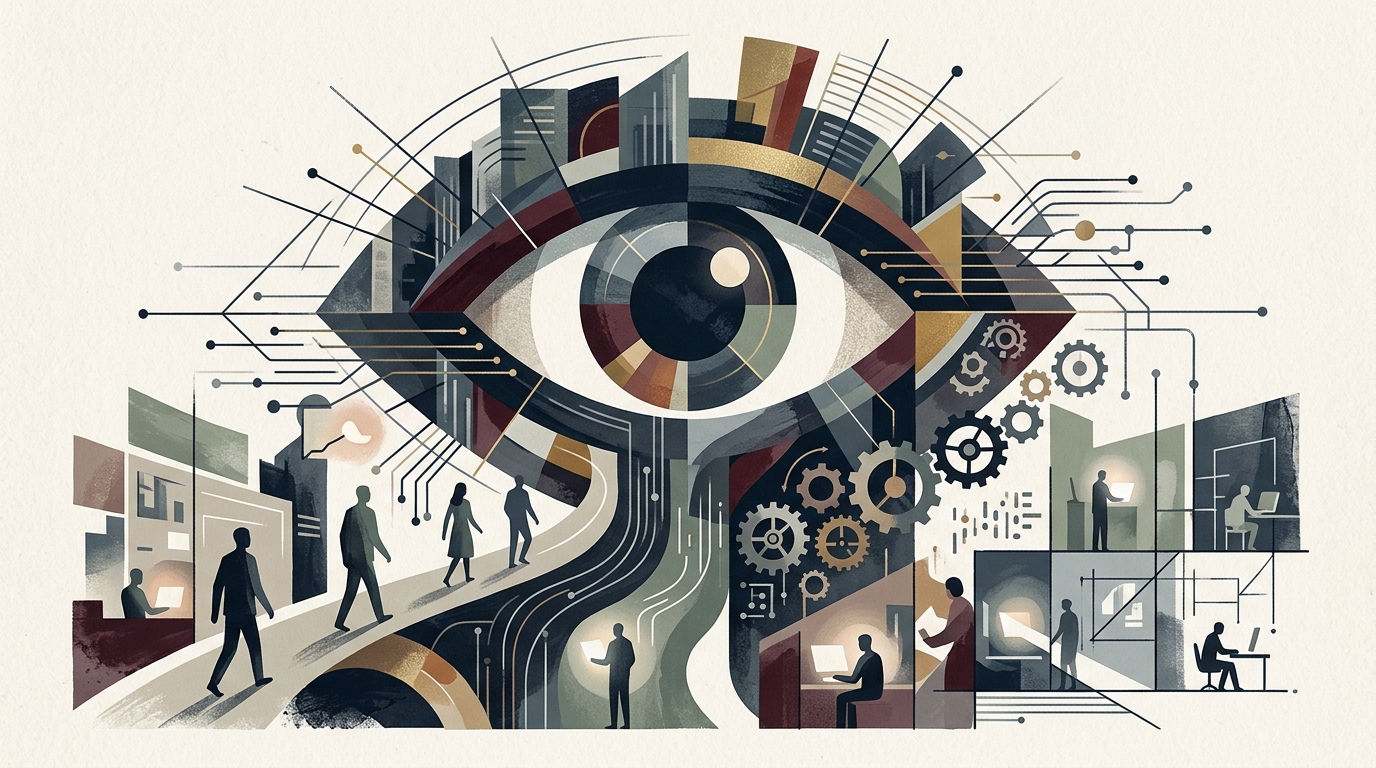
Employees, many of whom have survived successive waves of layoffs over the past three years, describe an environment akin to a "digital panopticon." The sensation that every mouse click is being evaluated by an algorithm creates a climate of fear that workplace psychologists argue stifles creativity—the very ingredient Meta needs to innovate in the AI space. The irony is stark: a company relying on human intelligence to build AI is treating its own people as mechanical components to be optimized like code.
The $145 Billion AI Gambit
To understand the pressure exerted on the workforce, one must look at the balance sheet. Meta has committed to a colossal investment plan totaling approximately $145 billion for AI infrastructure. This includes the acquisition of hundreds of thousands of Nvidia H100 and B200 chips, the construction of massive global data centers, and the development of the Llama 4 and 5 models. This level of Capital Expenditure (CapEx) is unprecedented in the history of technology and places immense pressure on profit margins.
Wall Street investors are watching with bated breath. While Meta’s stock has surged on AI optimism, there is a persistent demand for proof that these billions will yield a return. Employee surveillance is, to a large extent, management's attempt to signal to shareholders that "every dollar spent on payroll is generating maximum output." Yet, this spreadsheet-driven approach to human labor ignores the long-term costs of burnout and the brain drain toward competitors who maintain a more human-centric culture.
Legal Hurdles and Privacy Rights
In Europe, these practices are expected to hit a legal wall. The General Data Protection Regulation (GDPR) is explicit regarding employee monitoring: it must be proportionate and transparent. Recording keystrokes and mouse movements is considered by many legal experts as "excessively intrusive" and lacking a lawful basis, as less invasive methods of performance evaluation exist.
- Meta claims the data is used anonymously to improve internal workflows and resource allocation.
- Labor unions in the EU are already preparing legal challenges, arguing the practice violates worker dignity.
- In the US, where the legal framework is more permissive, the debate is shifting toward the ethical responsibility of Big Tech firms.
Meta is not an isolated case. From Amazon to JP Morgan, the use of surveillance software is on the rise. However, Meta’s case is emblematic due to its scale and its simultaneous pivot to AI. If the company aspiring to create Artificial General Intelligence (AGI) cannot trust its own developers, what kind of future is being signaled for the rest of the global labor market?
Conclusion: The Fine Line Between Oversight and Oppression
Meta stands at a crossroads. On one hand, the need for speed and efficiency in the global AI race is undeniable. On the other, transforming the workplace into a 19th-century digital factory, equipped with high-tech surveillance, risks destroying employee morale. The success of the $145 billion investment will not be decided solely by Nvidia’s processors, but by whether the humans programming them feel free to innovate or simply too afraid to stop typing.