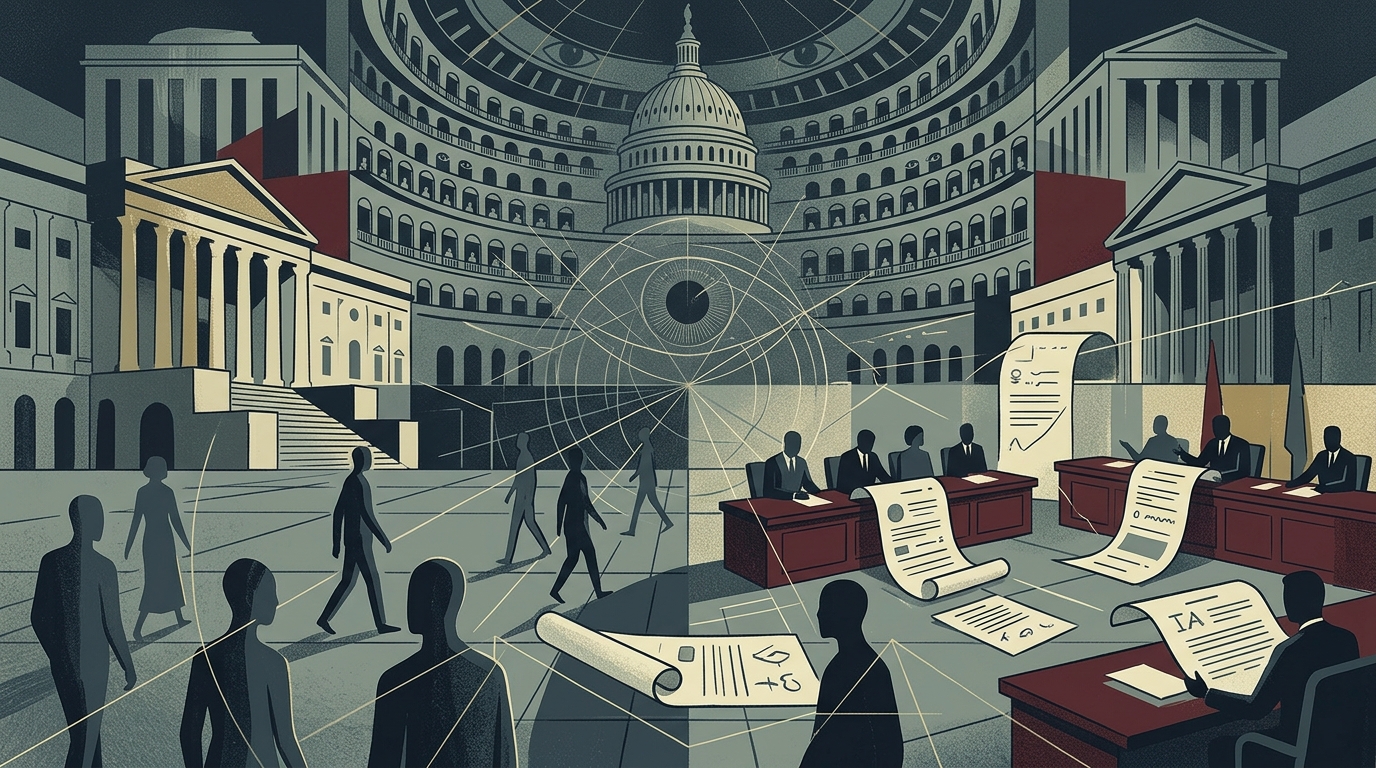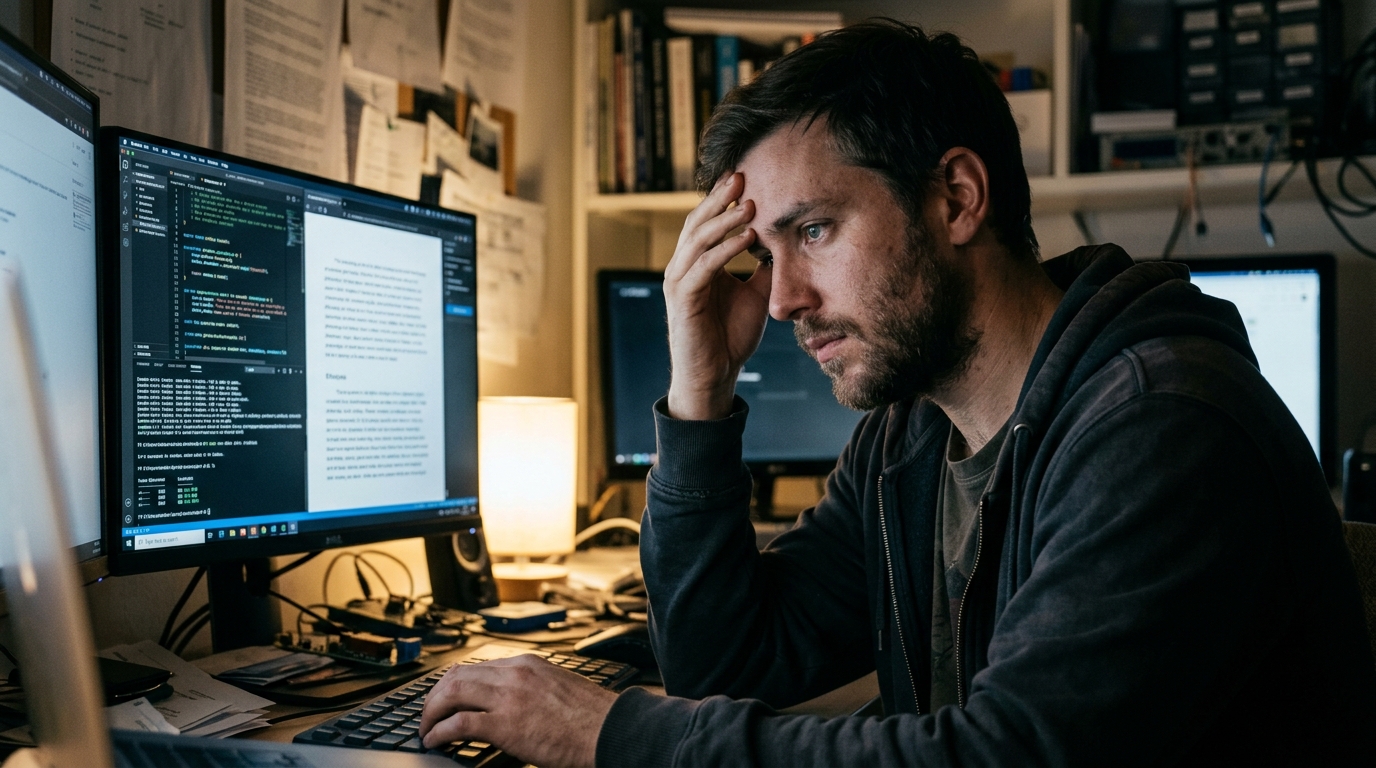
In the polished world of Silicon Valley, Artificial Intelligence is presented as the omniscient assistant, the polite collaborator, and the creative catalyst. Yet, behind the clean interfaces of ChatGPT, Claude, and Gemini, an invisible war is being waged. On the front lines of this conflict are the "jailbreakers" — a diverse group of security researchers, hackers, and activists who have made it their mission to bypass the safety guardrails of AI models. As a recent chilling investigation by The Guardian revealed, their work is not merely technical; it is a descent into the abyss of human depravity.
The Art of Digital Disobedience
AI jailbreaking isn't about cracking passwords; it's about subverting the model’s very "moral compass." Through "prompt injection," jailbreakers force the AI to ignore its programmed prohibitions. They employ techniques such as "roleplay," convincing the model it is a character in a lawless world, or "adversarial conditioning," where they bombard the system with contradictory commands until its logic collapses.
But why do they do it? For some, it is the pursuit of knowledge and the exposure of technological limits. For others, it is a necessary service to society. Tech giants hire "red teams" to attack their own systems before malicious actors can. However, this process comes at a heavy price. These researchers face the "worst of humanity" daily: from detailed instructions for manufacturing biological weapons and explosives to the generation of child sexual abuse material and hate speech that would make even the most hardened content moderators flinch.
The Mental Toll of the Red Team
“I see the worst things humanity has ever produced,” one researcher confessed to The Guardian. This work mirrors that of social media content moderators, but with a critical difference: jailbreakers don't just witness the evil; they actively induce it to study it. This constant exposure to toxic content leads to secondary trauma, depression, and a cynical worldview.
- Constant exposure to graphic and violent content.
- Moral fatigue from the effort of "manipulating" an intelligence.
- Lack of adequate psychological support from Big Tech companies.
- The fear that a failed test could lead to real-world catastrophe.
The AI industry relies on these invisible laborers to maintain the illusion of "safety." When we ask ChatGPT how to build a bomb and it refuses, it is because a jailbreaker spent weeks trying to make it say "yes," so that engineers could patch the hole. It is an endless race, a digital version of Sisyphus.
Ethical Dilemmas and the Arms Race
The issue of jailbreaking highlights a deeper crisis in AI philosophy: alignment. Is it possible to teach human ethics to a mathematical model when humanity itself cannot agree on them? Jailbreakers prove daily that safety filters are often superficial — like a thin layer of paint over a rusted wall. The rust is the training data — the entire internet, with all its filth and hatred.
"If the model is trained in the dark, it will always find a way to return to it," notes one security analyst.
Furthermore, there is a political dimension. Who decides what constitutes "dangerous" content? While bomb-making is an obvious red line, what about political dissent or criticism of authoritarian regimes? In many cases, safety filters are used to enforce a specific Western, corporate morality, stifling freedom of expression. In this context, jailbreakers act as "digital insurgents" asserting access to unfiltered information.
The Future: Safety That Hurts
As we head into 2026, the pressure for AI regulation is mounting. The EU AI Act mandates strict audits for high-risk models. This means the role of jailbreakers will become even more central. However, the solution cannot be purely technical. It requires a radical rethink of how training data is curated and, more importantly, how the people who bear the burden of safety are protected.
Artificial Intelligence is our mirror. Jailbreakers are those who dare to look into that mirror without blinking. The question is not whether we can build an "unbreakable" AI, but whether we are ready to face what we will see if the filters finally fall. AI safety is not a code problem; it is a humanity problem.