It is 2026, and the promise of the "democratization of creation" has been fulfilled in a way few predicted: through the absolute oversupply of information. As Large Language Models (LLMs) and image generators have become commonplace, the internet faces an existential crisis. The recent call to "filter information before the AI wave," highlighted by international forums, is not merely a technical directive but a desperate plea for the preservation of human cognitive autonomy.
The Rise of "AI Slop"
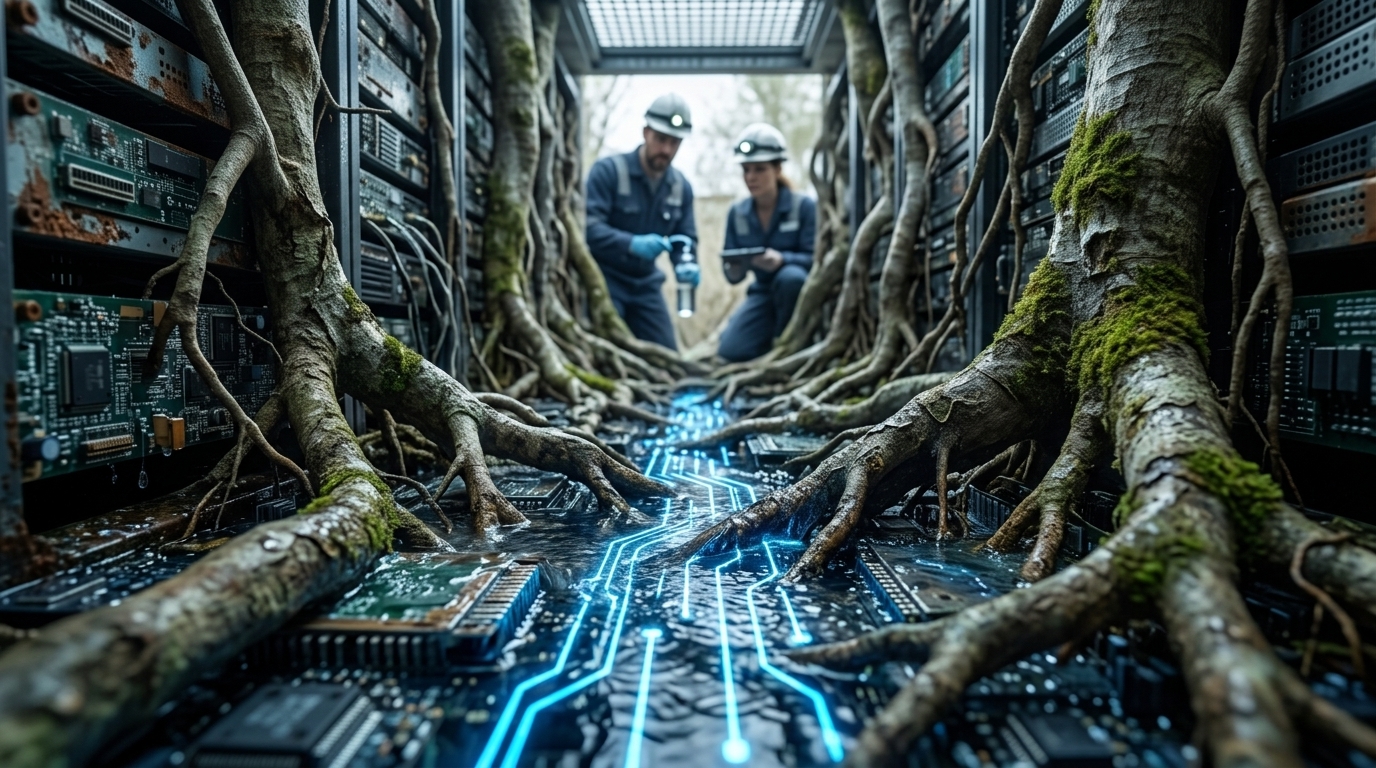
The term "AI Slop" has now been established to describe the vast volume of low-quality, unverified, and often misleading content produced automatically to flood search engines and social media platforms. The problem is not just misinformation; it is noise. When producing a 2,000-word article costs fractions of a cent and takes seconds, the value of information tends toward zero. As digital media analyst Dr. Andreas Pappas notes:
"The problem is no longer that we lack access to information, but that we cannot find the truth within the ocean of probabilities that AI generates."
The Ethical Dilemma of Filtering
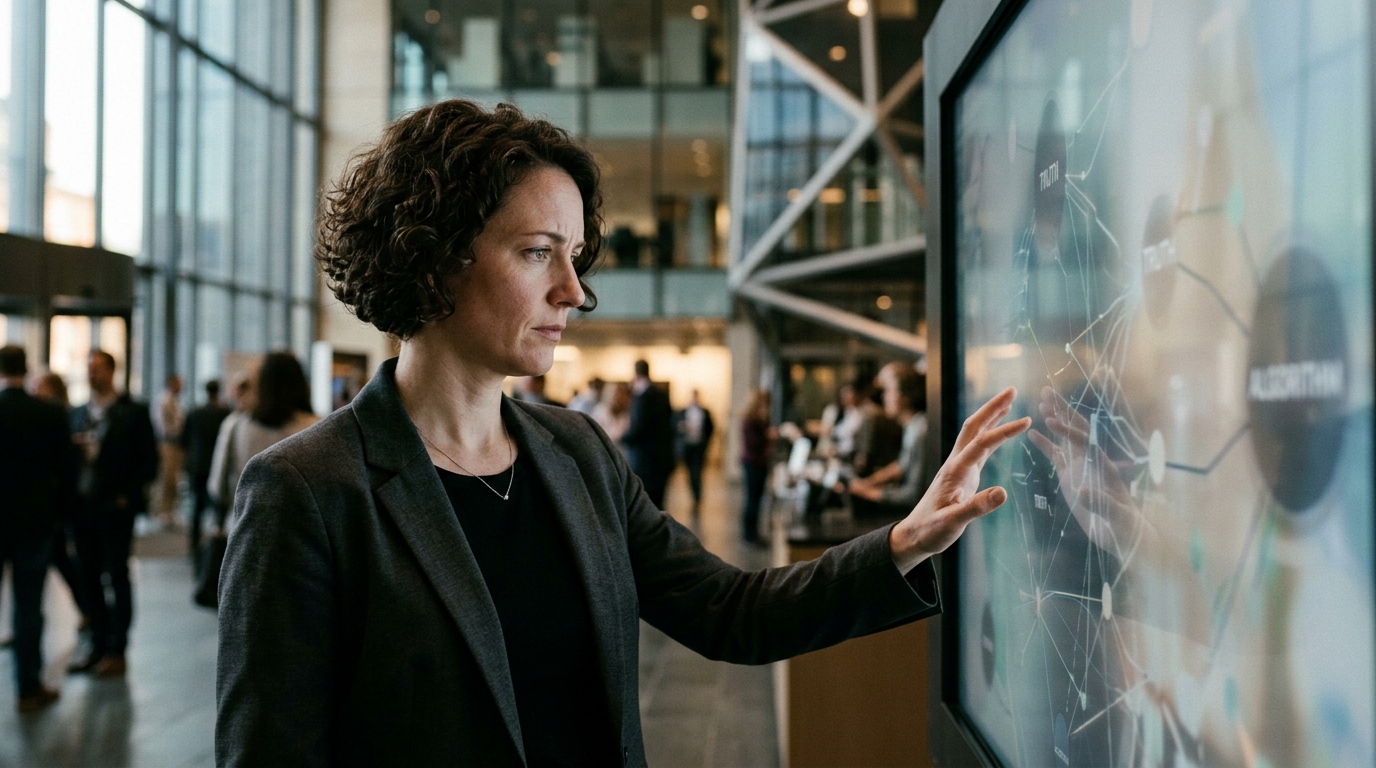
Who, however, has the right and responsibility to filter this information? Here we enter dangerous territory. On one hand, tech giants are developing "verification" algorithms that often function as black boxes. On the other, governments worldwide, from the European Union to Vietnam, are legislating frameworks for content control. The danger is obvious: the filter that protects against deepfakes can easily be transformed into a tool for censorship. AI ethics requires a delicate balance between protecting public discourse and ensuring freedom of expression. Filtering systems must be transparent, open to audit, and, most importantly, not controlled by a single entity.
Technological Countermeasures and Digital Literacy
The solution cannot be purely technological. Yes, the C2PA protocol for digital provenance and watermarking are essential tools, but they are not a panacea. The real defense lies in the "information hygiene" of users.
- Verifying sources through multiple independent networks.
- Using AI tools that focus on heavy citation and source transparency.
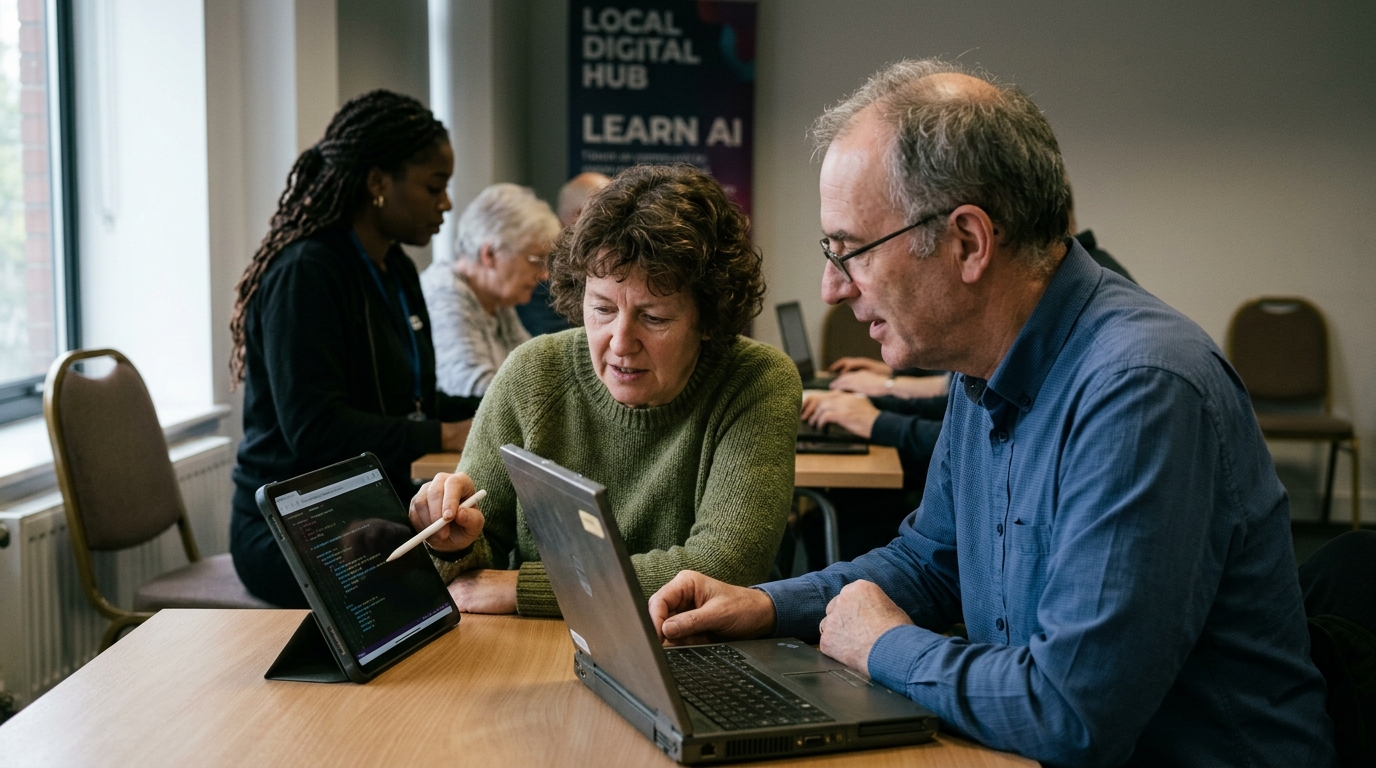
- Developing critical thinking that recognizes the patterns of algorithmic writing.
Education must adapt. In the schools of 2026, teaching history or language is incomplete if not accompanied by instruction on detecting synthetic content. The AI "wave" is already here, and our only lifeline is our ability to discern the human footprint in the digital sand.
Conclusion: The Return to Curation
As we move deeper into the AI era, we will see a shift from "search" to "curation." Users will trust general algorithms less and communities or organizations that guarantee quality more. Filtering is not an act of exclusion but an act of respect for our time and intelligence. Information is the food of our minds; just as we watch what we eat, we must now watch what we consume digitally.