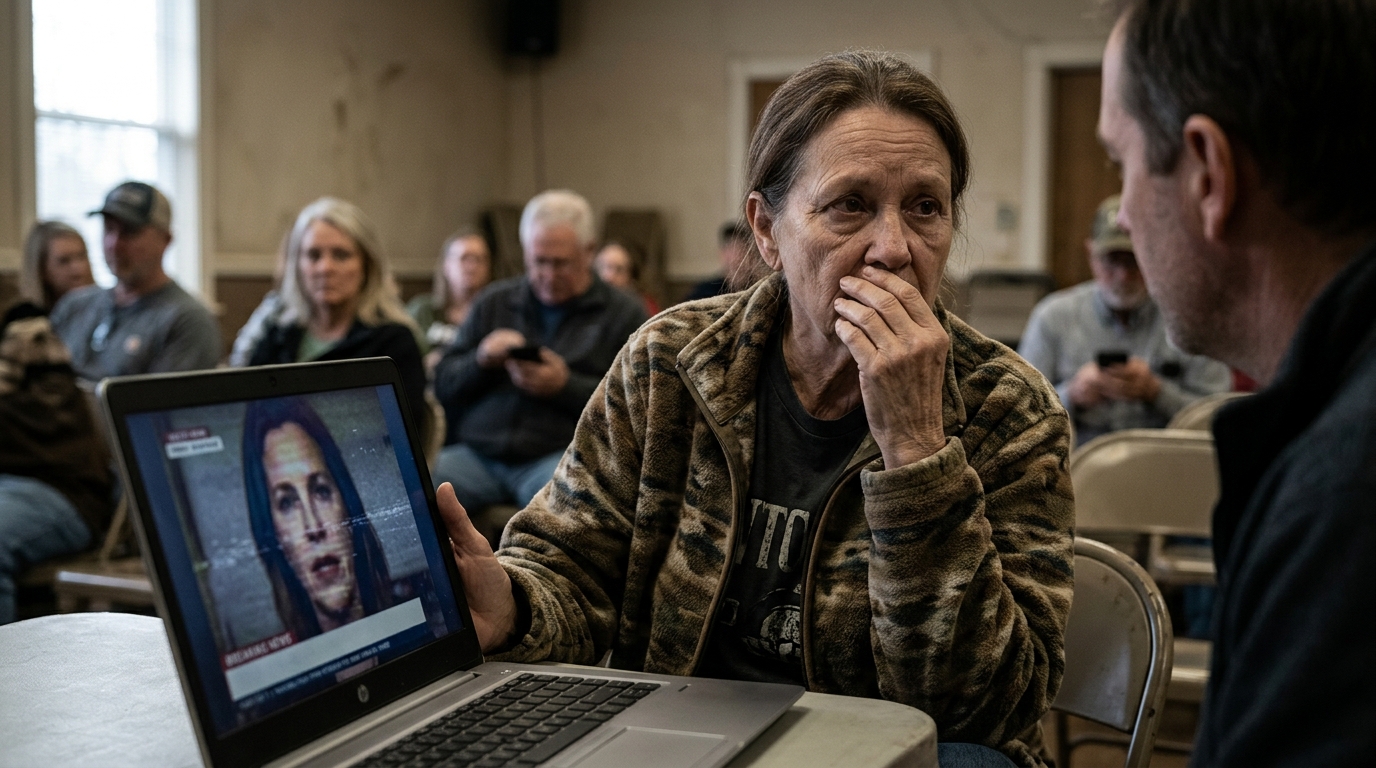
The news of the arrest of a young man from East Texas, accused of using artificial intelligence to create non-consensual deepfake pornographic material featuring former classmates, is not merely an isolated police incident. It is a clarion call regarding the speed at which technology is outpacing our social and legal safeguards. The FBI's intervention in the case underscores the severity of the crime, which transforms digital creativity into a weapon of psychological destruction and social defamation.
The Democratization of Harassment
A few years ago, creating a convincing deepfake required specialized programming knowledge and powerful computers. Today, the landscape has shifted dramatically. The emergence of open-source tools and cloud-based applications allows anyone with a basic internet connection to generate content that looks hauntingly real. In the Texas case, the suspect allegedly used photos from his victims' social media—everyday, innocent photos—and transformed them into material that violates their dignity and privacy.
This "democratization" of image manipulation tools has birthed a new form of digital violence. Victims are often unaware of the existence of such material until it is too late, and its dissemination on the internet makes complete deletion nearly impossible. The "digital stain" of abuse remains indelible, affecting victims' mental health, career paths, and personal relationships.
The Legal Vacuum and Enforcement Challenges
Despite the gravity of the issue, legislation in many jurisdictions worldwide, including several US states, continues to lag. While laws against child pornography and extortion exist, "non-consensual deepfake porn" between adults often falls into gray areas. The FBI's involvement in the East Texas case indicates a shift toward federal handling of such incidents, utilizing laws related to cyberstalking and privacy violations.
- The urgent need for federal legislation explicitly criminalizing the creation and distribution of non-consensual deepfakes.
- The difficulty of identifying perpetrators in encrypted application environments.
- The responsibility of social media platforms in preventing the upload of such material.
Prosecutors in this case are attempting to send a clear message: digital anonymity is not a shield. However, the legal route is often time-consuming and arduous for victims, who are forced to relive their trauma during the proceedings.
Ethical Responsibility and the AI Industry
Beyond the legal aspects, the critical question of the ethical responsibility of technology creators arises. Companies developing generative image models often claim that technology is "neutral" and that the responsibility lies with the user. But is this approach sufficient? The lack of robust filters and "digital watermarks" to identify AI-generated content facilitates malicious use.
"Technology without an ethical compass is simply a more efficient way for us to harm one another," is a frequent sentiment within the AI ethics academic community.
The Texas case must serve as a catalyst for a deeper discussion about the limits of innovation. We cannot allow the evolution of artificial intelligence to come at the expense of fundamental human rights. Protecting an individual's image and dignity must be a priority in the design of every new algorithm.
Conclusion: Toward a New Digital Social Contract
Addressing the deepfake phenomenon requires a holistic approach: stricter legislation, technological safeguards, and, most importantly, education. Users must understand that their digital activity has real-world consequences on other people's lives. The East Texas case is a somber reminder that if we do not act immediately, artificial intelligence risks being transformed from a tool of progress into an instrument of a new, invisible totalitarianism of harassment.