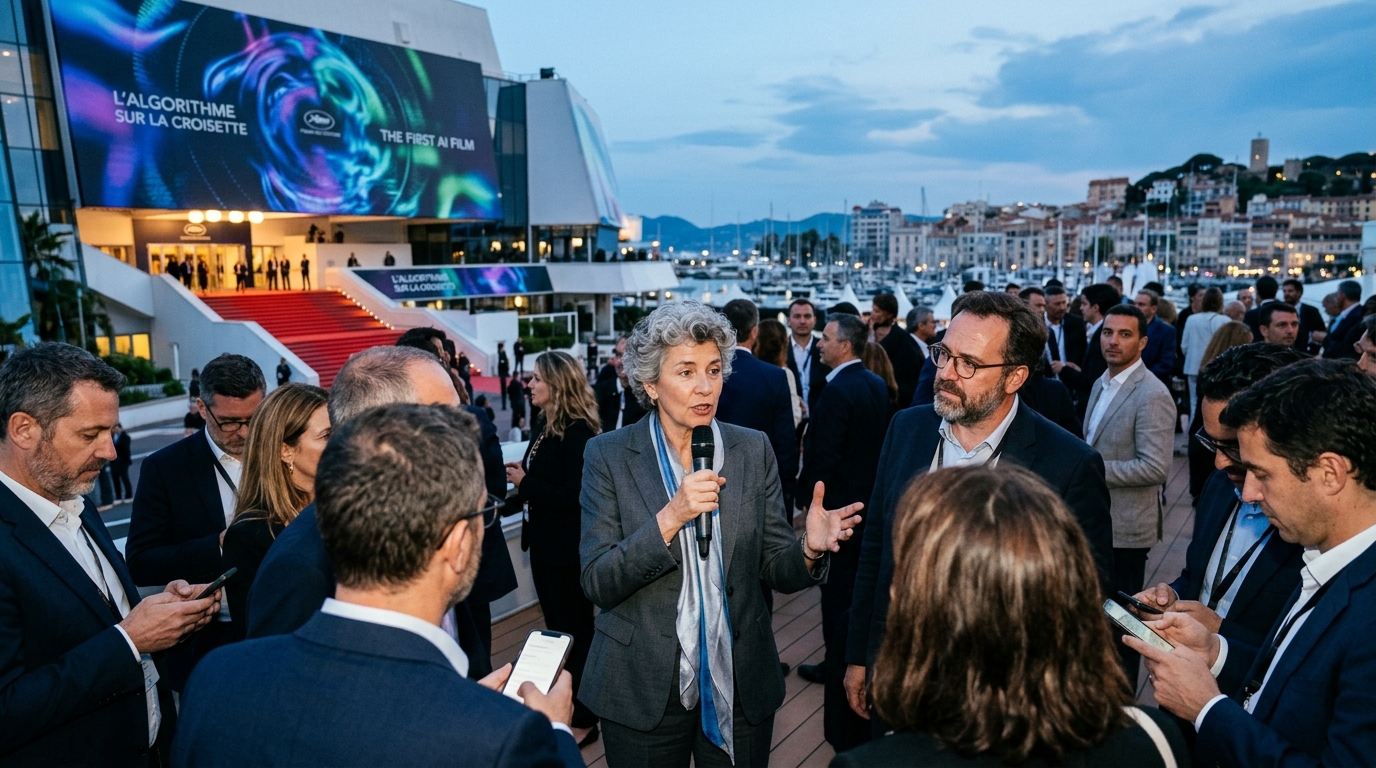
In the heart of the French Riviera, where the tradition of cinema as the "Seventh Art" is guarded with almost religious devotion, the 79th Cannes Film Festival witnessed a moment many considered inevitable yet terrifying. The screening of the first feature-length film created entirely using generative AI tools was not merely a technical demonstration; it was a cultural provocation that challenged the very definition of a "creator."
The Technology Behind the Lens
The film, developed using sophisticated video and audio generation models that have reached levels of photorealism unimaginable just two years ago, covers the entire production pipeline: from scriptwriting and directing to the performances of "digital actors" and the musical score. Unlike previous attempts that resembled a montage of dreamlike but incoherent images, the work presented at Cannes boasts narrative cohesion, emotional depth, and a visual aesthetic that could easily deceive even the seasoned eye of a critic.
The technicians behind the project utilized a series of "prompt engineers" and art directors who guided the AI, choosing from thousands of generated versions of each scene. This process of curation is emerging as the new form of directing, where the human no longer holds the camera but steers the rudder of probability. The "actors" on screen do not exist in reality, yet their performances—based on the analysis of millions of hours of human acting—managed to evoke tears from the audience, creating a paradoxical "uncanny valley" that no longer repels but fascinates.
Industry Reaction and Ethical Dilemmas
The reception on the Croisette was anything but unanimous. While tech enthusiasts and investors speak of the democratization of cinema, where production costs are decimated and imagination is the only limit, trade unions for actors and writers expressed intense concern. Outside the screening hall, a small but vocal group of protesters held banners reading: "Art Requires a Soul, Not Code."
The major question looming over the Festival is the issue of copyright and authenticity. If an AI has been trained on the work of thousands of directors and actors without their explicit consent, who owns the "new" creation? Furthermore, the lack of human experience behind the script raises questions about whether AI can ever produce something truly original or if it is destined to recycle and combine the clichés of the past. However, the film screened seems to defy skeptics, presenting a story that, though "artificial," felt deeply human.
A New Era for Global Cinema
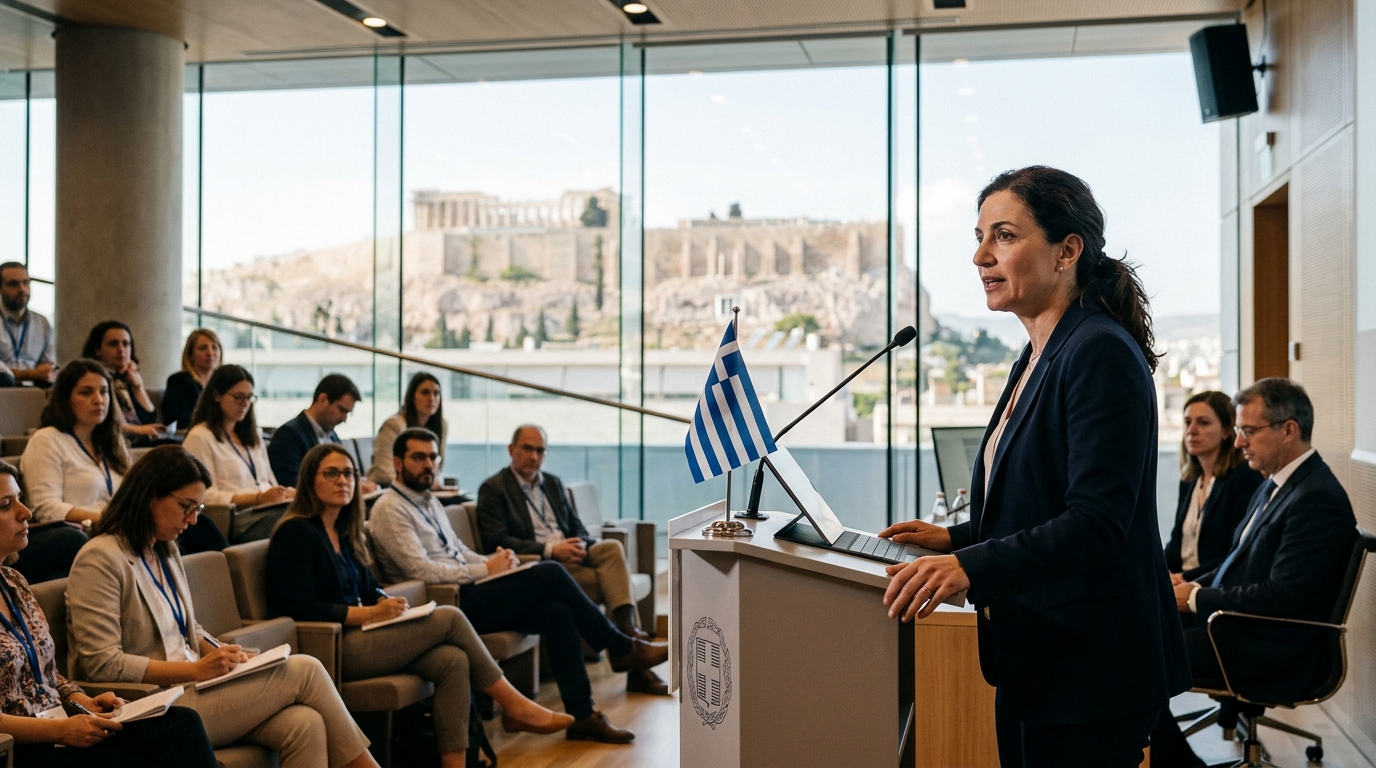
For smaller film markets, such as the Greek or Vietnamese industries, this technological revolution might represent a golden opportunity. The ability to produce blockbuster-level films at a fraction of the budget could allow talented creators from around the world to compete on equal terms with major Hollywood studios. AI is not just replacing the actor or the cinematographer; it is dismantling the financial fortresses that kept cinema beholden to massive capital.
- Democratization: Any creator with a laptop can now visualize their vision without needing millions of dollars.
- Intellectual Property: The legal battle over the training data for AI models is only just beginning.
- Ethics of Acting: Digital clones and synthetic actors are redefining the definition of professional performance.
- The Future of Festivals: Cannes may soon need to establish a separate category for "Synthetic Cinema."
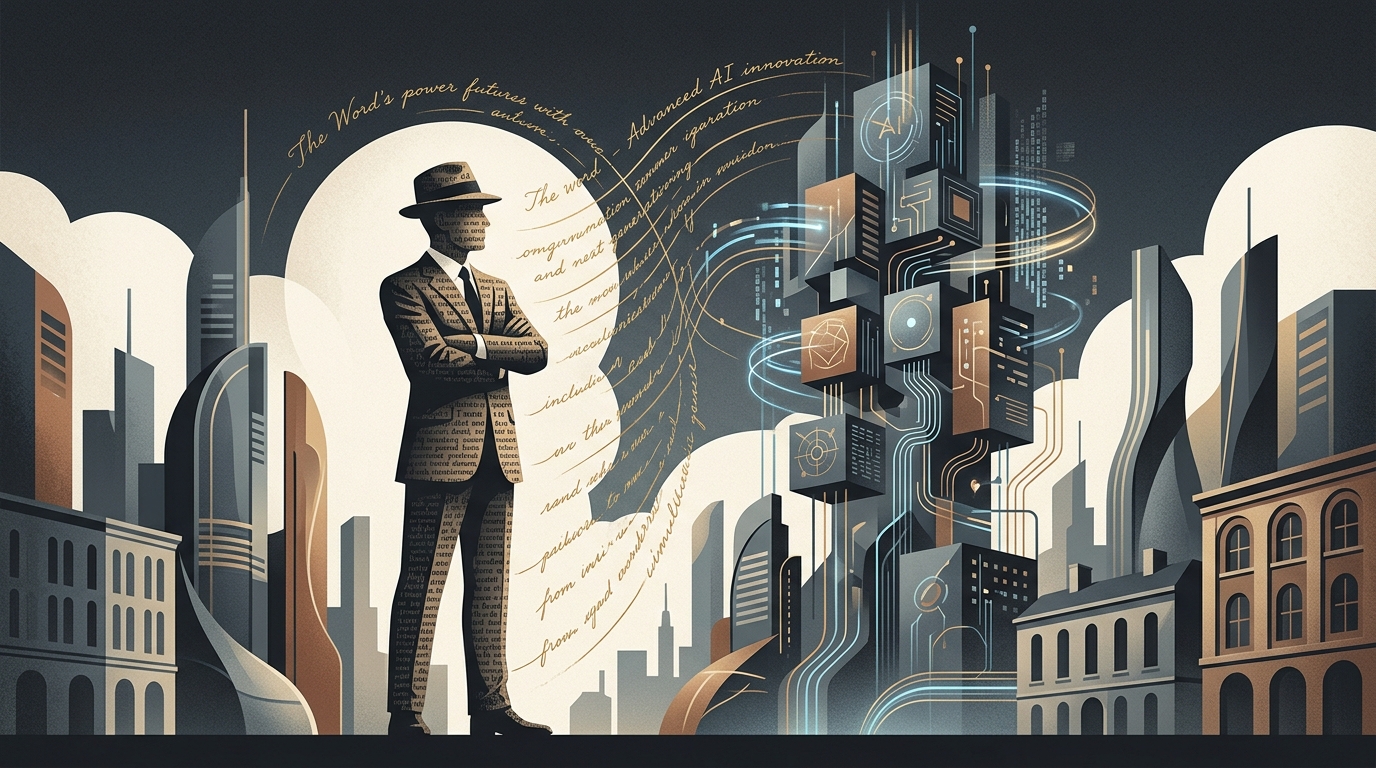
In conclusion, this premiere at Cannes is not the end of cinema, but the beginning of a new mutation. Just as sound replaced silence and color replaced black and white, Artificial Intelligence is adding a new layer to the creator's palette. Whether this layer will stifle human creativity or elevate it remains to be seen on the screens of the future.