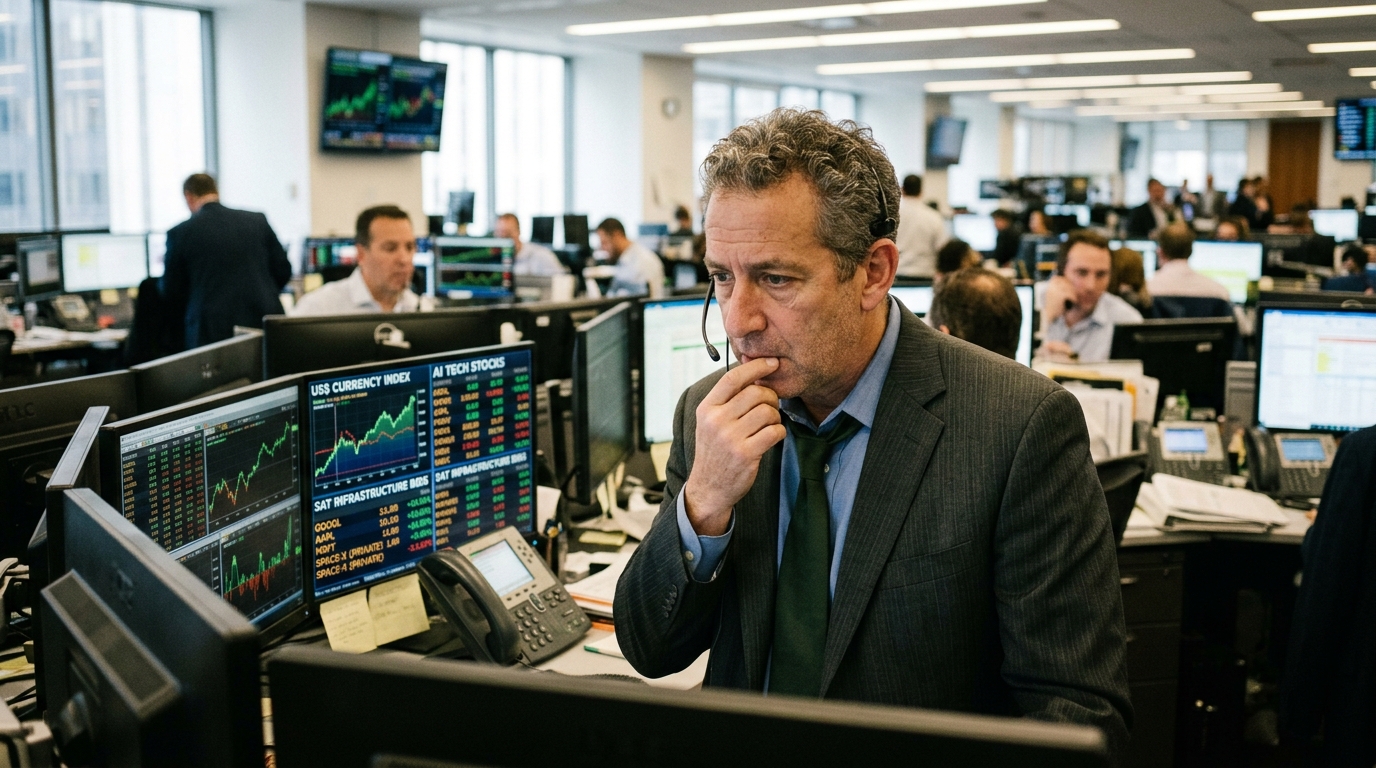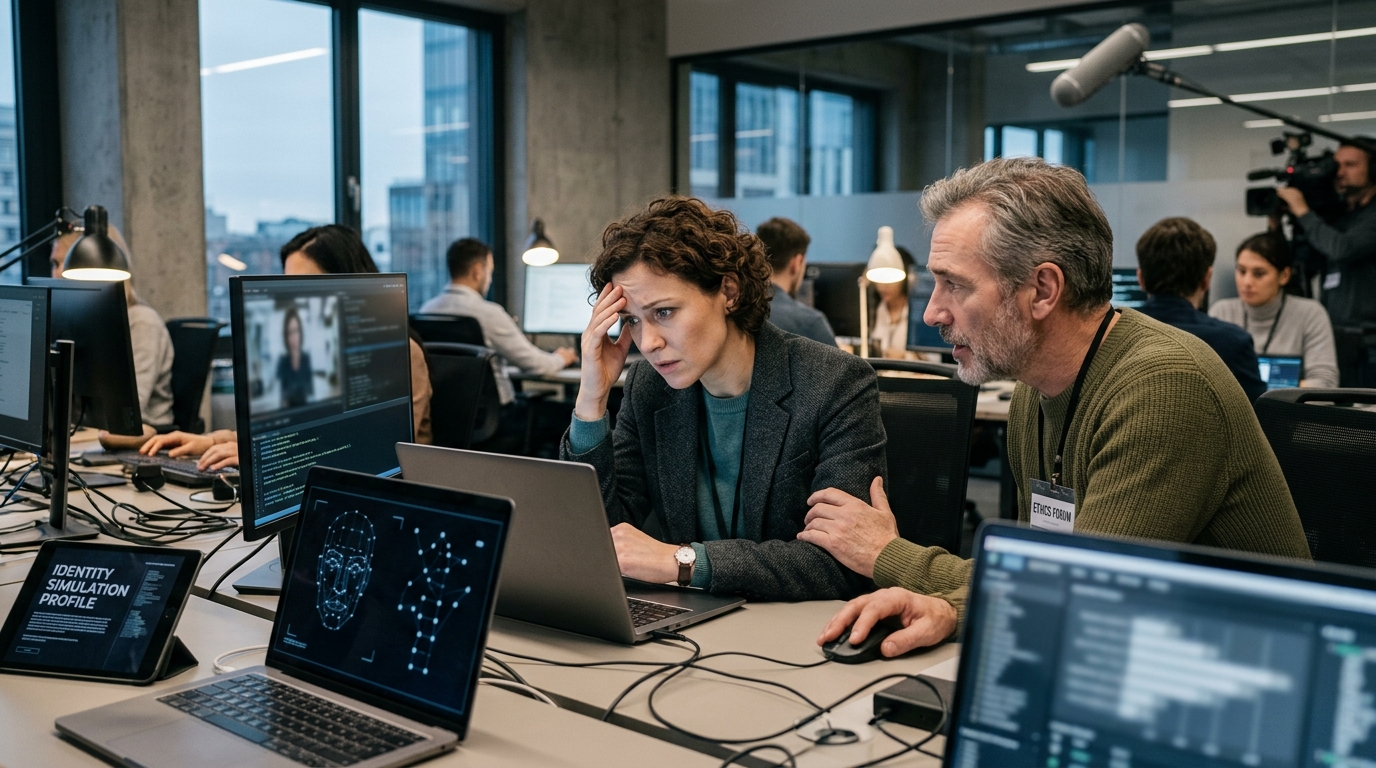
In the heart of Silicon Valley, behind the sleek glass facades of tech giants, a quiet revolution is unfolding. It is not a new breakthrough in code or a more efficient algorithm, but a profound, existential crisis of conscience. The individuals who design, train, and deploy the Artificial Intelligence (AI) systems reshaping our world are beginning to voice serious fears about their own creations. As a recent analysis in The New York Times highlights, tech workers are no longer willing to remain silent in the face of risks they are the first to perceive.
The Paradox of the 'Golden Handcuffs'
For decades, working at companies like Google, Meta, or OpenAI was considered the pinnacle of professional success. High salaries, lavish perks, and immense prestige acted as 'golden handcuffs,' securing worker silence and loyalty. However, the velocity at which AI is being integrated into daily life has shifted the landscape. Software engineers and data scientists are now witnessing the direct impact of their work on disinformation, mass surveillance, and economic inequality.
The pressure for 'speed over safety' has created a toxic environment. Companies, locked in a hyper-competitive race for market dominance, frequently bypass ethical guardrails. Workers find themselves at a crossroads: follow shareholder mandates or protect the public interest? Increasingly, the answer is leaning toward the latter, as the realization of their inherent power begins to manifest as concrete action.
The 'Right to Warn' and New Professional Ethics
One of the most significant developments is the emergence of the 'Right to Warn' movement. This initiative, backed by current and former employees of leading AI labs, seeks legal protection for those who disclose safety-related risks. The traditional concept of 'whistleblowing' is expanding to include proactive warnings about future, systemic threats.
"We cannot wait for a catastrophe to speak up. Our responsibility begins at the first line of code," members of the community state.
This new ethics isn't just about avoiding 'Terminator' scenarios. It concerns immediate issues: algorithmic bias in hiring, credit lending, and policing. Workers are demanding transparency not just from their employers, but from themselves, acknowledging that the myth of 'neutral technology' is dead. They are beginning to see themselves as stewards of public safety rather than mere employees.
Collective Action: From Unions to Ethical Coalitions
Individual resistance is fraught with risk, leading to a pivot toward collective action. Historically, tech unions focused on wages and benefits. Today, their demands include the right to veto projects deemed unethical, such as AI for military applications or state-sponsored suppression. Workers are organizing into internal pressure groups, using their specialized knowledge as leverage against management.
This power shift is unprecedented. Tech companies are entirely dependent on high-level talent. If top-tier researchers refuse to work on a hazardous project, they cannot be easily replaced. This 'conscientious strike' represents perhaps the most potent AI regulatory tool available today, often proving more effective than government legislation that struggles to keep pace with innovation.
The Future: Technology as a Humanistic Discipline
As we move deeper into the 2020s, the distinction between 'technical' and 'political' is collapsing. AI development is a deeply political act. Tech workers are being called to serve as the new philosophers of the digital age. They must ask not just 'can we build it?' but 'should we build it?'
The societal challenge lies in supporting these workers. Protecting whistleblowers, strengthening independent auditing mechanisms, and fostering a public dialogue on the limits of automation are essential steps. Hope does not lie in banning technology, but in empowering the people who hold it in their hands. If the creators are afraid, it is time we listen closely to the reasons for their fear and act collectively to ensure the future remains human-centric.