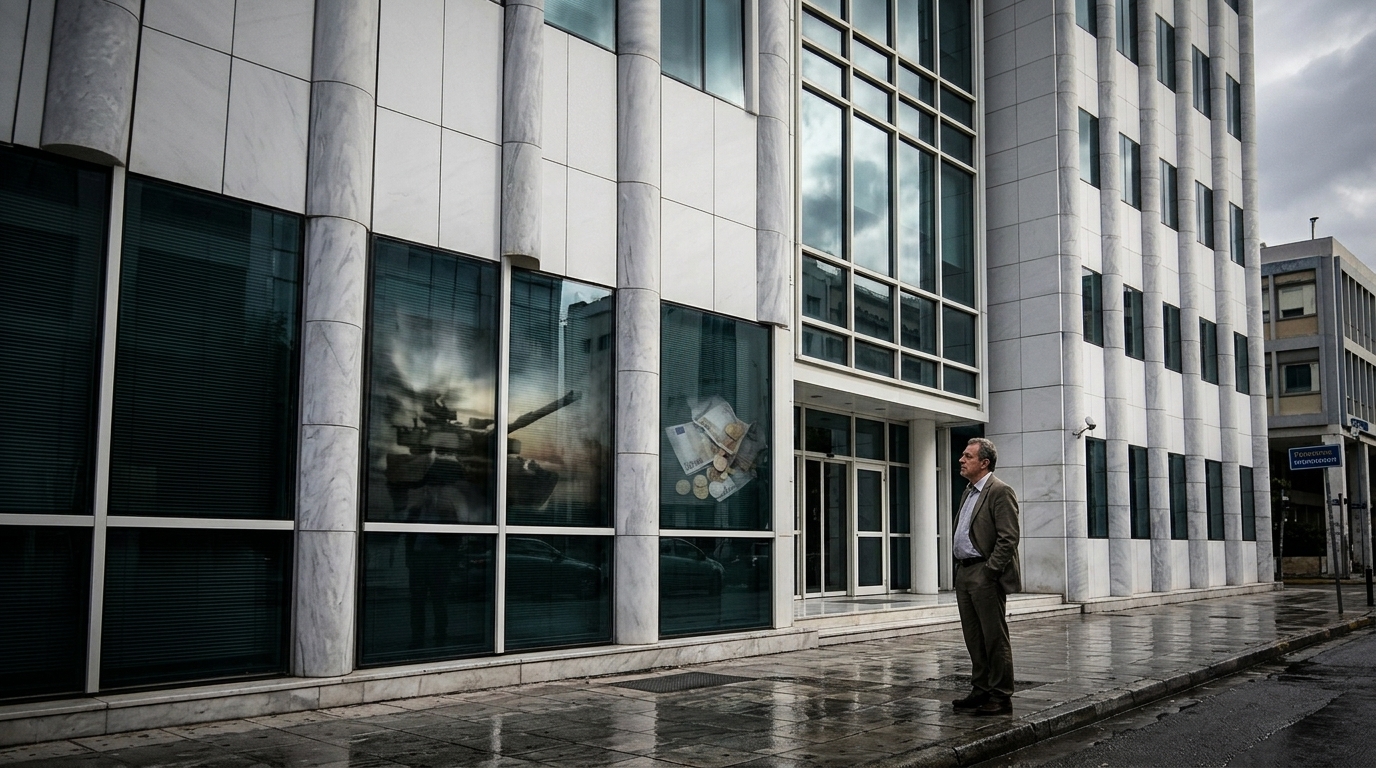
In the chambers of federal courts in Colorado, Judge Maritza Braswell faces a new reality every day that threatens to paralyze the United States judicial system. What was once a pile of illegible, handwritten petitions from pro se litigants has transformed into a torrent of perfectly formatted, legally "eloquent" documents produced by Artificial Intelligence models. The problem? Many of these documents are hollow, based on non-existent case law, or are products of algorithmic "hallucinations."
The Illusion of Legal Competence
The rise of Large Language Models (LLMs) has offered citizens who cannot afford to hire a lawyer a powerful tool. With a simple prompt, anyone can generate a lawsuit that looks as if it were written by a top-tier law firm. However, Judge Braswell and her colleagues are observing a dangerous phenomenon: AI often invents court decisions, misquotes statutes, and creates circular arguments that require dozens of hours of work from judicial clerks to verify and dismiss.
In 2026, the issue is no longer just quality, but volume. The ease with which one can file a lawsuit has led to an exponential increase in cases. According to data from the Administrative Office of the U.S. Courts, filings by non-lawyers have increased by 40% over the last 18 months, with most of this growth attributed to the use of AI tools.
Ethical Dilemmas and Access to Justice
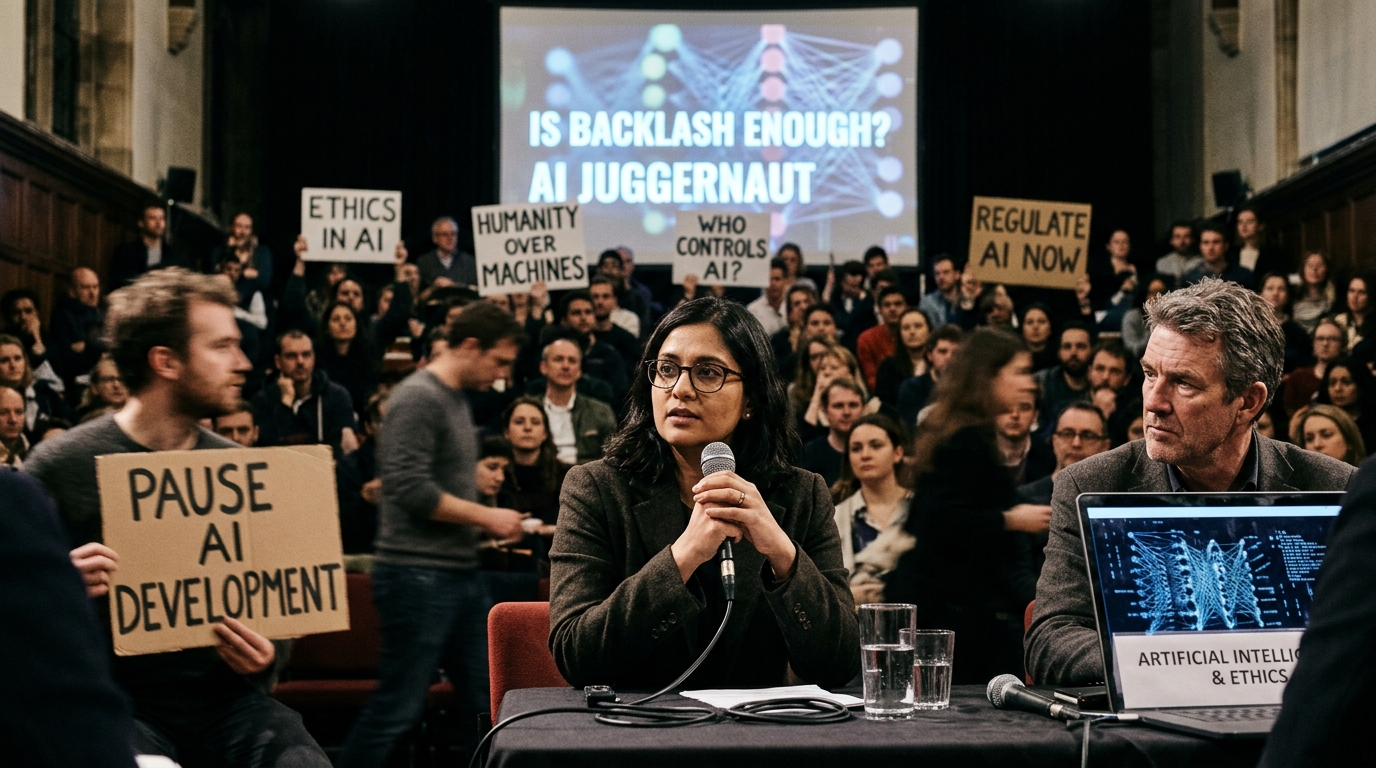
Here arises the great ethical paradox. On one hand, AI promises to bridge the gap in access to justice. For millions of people excluded from the system due to cost, technology represents a lifeline. On the other hand, the misuse of these tools turns courts into testing grounds for algorithms, draining time from cases with actual merit.
- False Citations: The phenomenon of "hallucinations" remains the number one problem, with judges forced to impose sanctions on citizens who file documents with non-existent case law.
- Judicial Overload: Law clerks now spend 30% of their time verifying whether references to previous decisions are real or AI-generated products.
- Automated Litigiousness: The ability to create hundreds of variations of a lawsuit with minimal cost encourages the abuse of the right to petition.
The Courts' Response: New Rules and Filters
To address this crisis, many courts have begun issuing standing orders. Judge Braswell, for instance, now requires litigants to explicitly disclose if they used AI to draft their documents and to certify that they have checked the validity of every citation. In some jurisdictions, the use of AI "counter-measures" is being considered—algorithms that will scan incoming filings to detect automated content or false references before they reach the judge's desk.
"We don't want to close the door on people in need, but we cannot allow the system to drown in an ocean of algorithmic noise," Braswell states.
The challenge for the future is integrating AI in a way that enhances efficiency without sacrificing integrity. Perhaps the solution lies not in prohibition, but in public education and the creation of "certified" AI tools for legal use, which would be linked to official case law databases, eliminating the possibility of hallucinations. Until then, judges like Braswell will remain the last gatekeepers in a battle between human judgment and mechanical eloquence.
The Future of the Bar and the Bench
As we navigate through 2026, the definition of "practicing law" is being tested. If a machine can synthesize arguments and format briefs, the value of a human lawyer shifts from production to verification and strategy. Courts are becoming the front lines of this societal shift, where the speed of technology meets the deliberate, slow pace of justice. The goal is to ensure that while the tools change, the pursuit of truth remains a human endeavor.