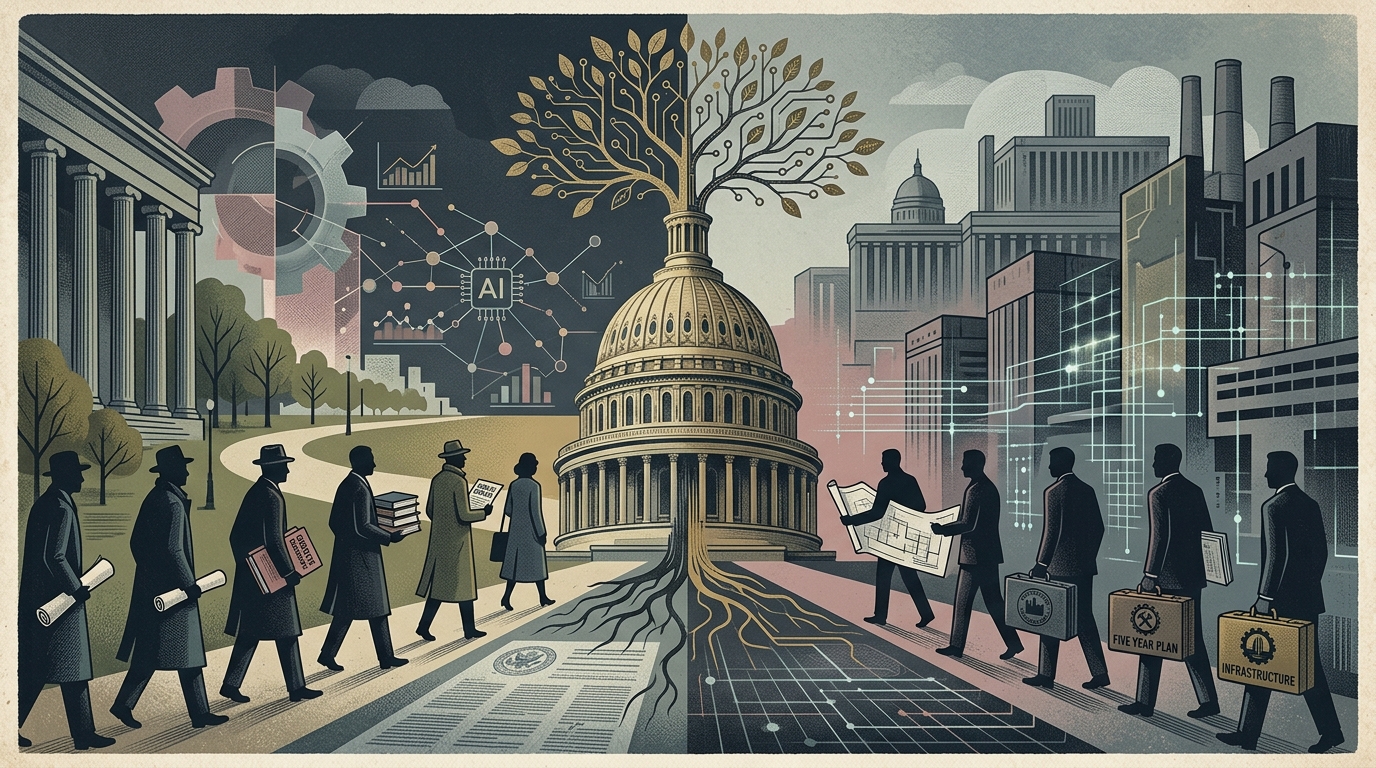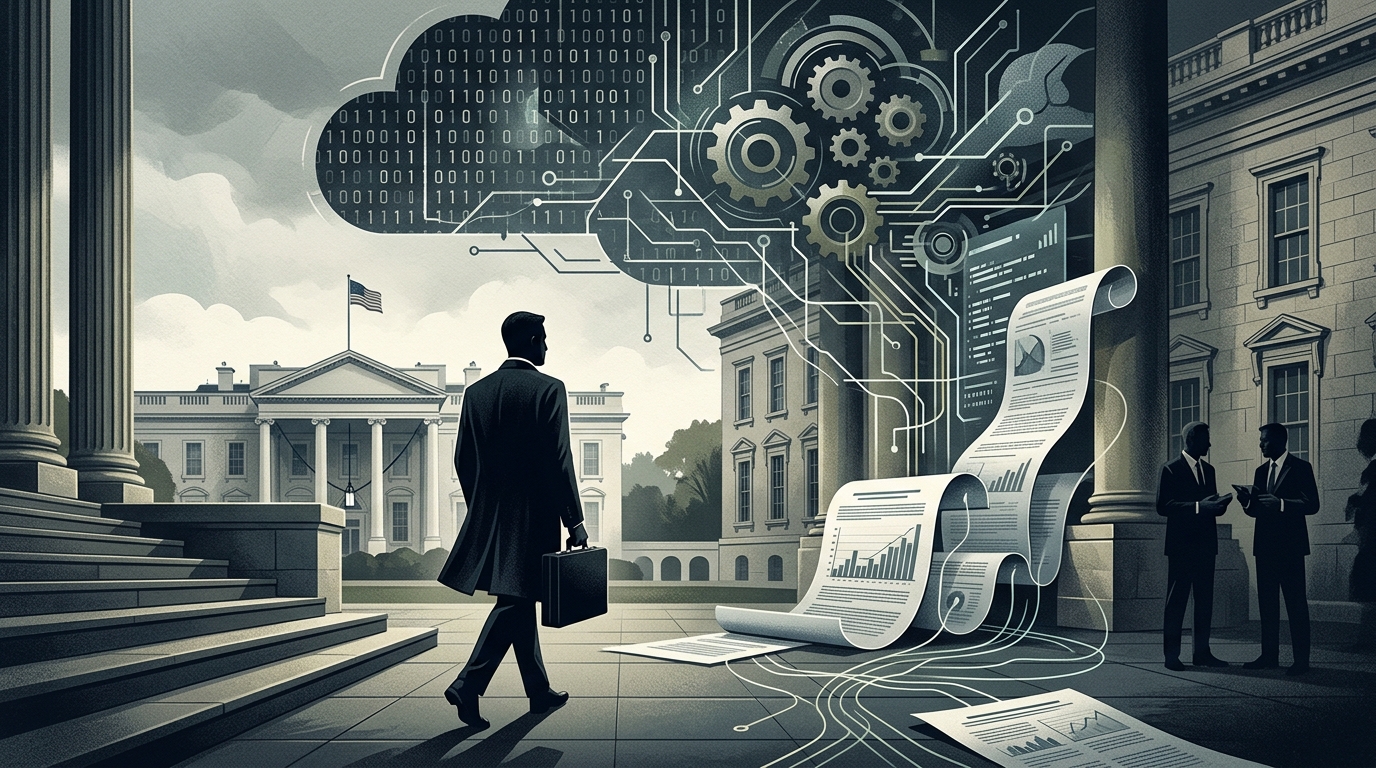
In the early months of 2026, the conversation surrounding Artificial Intelligence (AI) has undergone a seismic shift. We have moved past the era of mere fascination with generative capabilities and entered the era of hard infrastructure. AI is no longer just a suite of clever applications; it is the "new electricity"—a fundamental prerequisite for the functioning of the state, the economy, and social cohesion. Recognizing AI as a public utility is no longer a theoretical exercise in political science but an urgent necessity clashing with geopolitical, environmental, and economic realities.
The Physical Reality of Intelligence
For decades, technology was perceived as something ethereal, occurring in the "cloud." However, AI as a public utility has a very specific and heavy physical presence. The data centers required to train and run Large Language Models (LLMs) are the new cathedrals of the industrial age. The energy consumption of these facilities has reached levels that threaten national power grids, while the massive amounts of water needed to cool servers are sparking new local conflicts over resource management.
Transforming AI into a public utility means the state must guarantee that this infrastructure is available to all, much like water or light. This implies strategic planning that transcends the boundaries of private investment. If AI is to be the backbone of future public administration, healthcare, and education, then relying exclusively on three or four global tech giants (Big Tech) constitutes a significant national and continental risk.
The Sovereignty Dilemma and Europe's Role
The central question in 2026 is: who controls the switches? When we speak of public utilities, we usually refer to something under public control or strict regulation. In the case of AI, the vast majority of the infrastructure is owned by private entities headquartered outside the European Union. Europe, through the AI Act, attempted to regulate usage; it is now realizing it must also regulate access and ownership.
- Public Computing Power: The necessity for creating "public clouds" that allow universities and SMEs to access compute power without being subject to the pricing whims of multinationals.
- Open-Source Models: Promoting open-source models as a guarantee for transparency and democratic accountability.
- Data as a Commons: Managing citizen data not as a commodity to be harvested, but as a national asset that returns value to society.
Environmental Conditions and Social Justice
There can be no public utility that undermines the planet's future. The conditions for AI expansion must include rigorous sustainability criteria. Using renewable energy for data centers is no longer an optional Corporate Social Responsibility (CSR) choice; it is a legal mandate. Furthermore, the siting of these infrastructures must prioritize local development rather than the depletion of local resources.
"Artificial Intelligence is not just a sector of the economy; it is the operating system of democracy itself in the 21st century. If we fail to make it accessible and fair, we will create a new form of techno-feudalism."
The social dimension is equally critical. If access to advanced AI becomes a privilege of the few, the digital divide will harden into an insurmountable social wall. AI as a public utility means a student in a remote village in Greece must have the same access to personalized learning tools as a student at Stanford. This requires state investment in network infrastructure and education that complements AI models.
Conclusion: A New Social Contract
The transition of AI to public utility status requires a new social contract. Tech companies must accept stricter regulation and universal service obligations, similar to those of telecommunications providers. Conversely, states must invest in producing their own technology rather than remaining passive consumers. The terms and conditions are clear: transparency, sustainability, and universality. Their implementation will determine whether AI becomes a tool for liberation or the mechanism of a new, profound inequality.