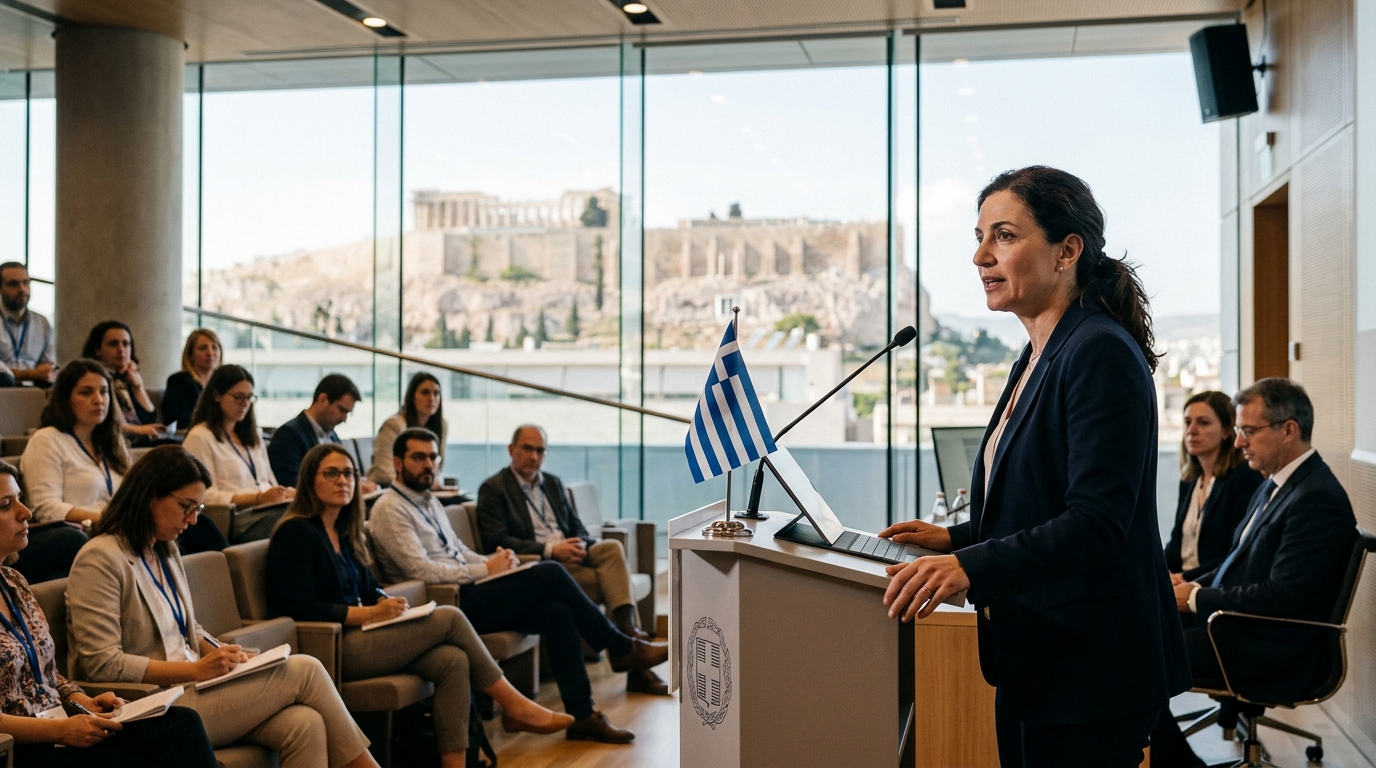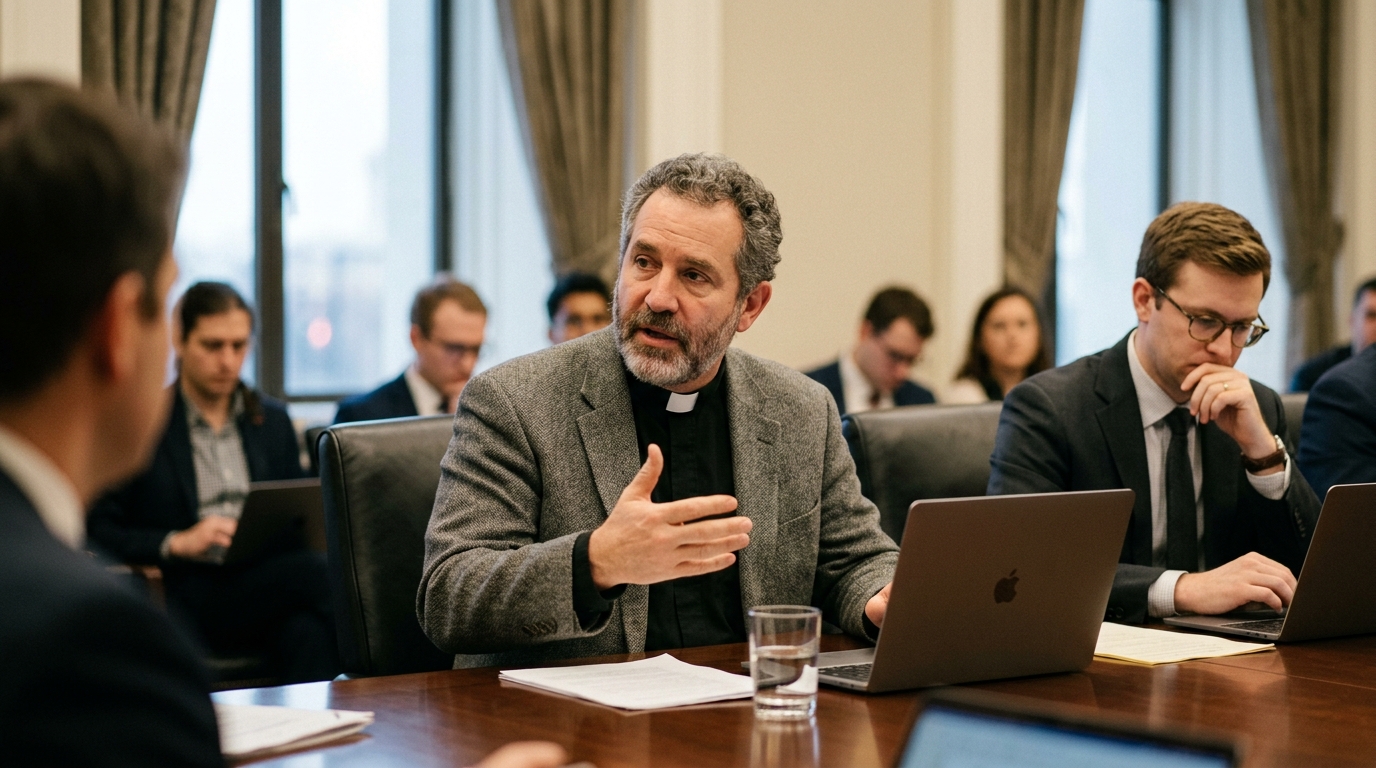
The rapid evolution of Generative Artificial Intelligence (AI) has shifted the battle against misinformation into an entirely new and perilous domain. In recent interventions, Christos Tarantilis, Professor at the Athens University of Economics and Business and Chairman of the Hellenic Parliament's Committee on Research and Technology, emphasized the urgent need for coordinated action. The concern is no longer theoretical; the ability to create hyper-realistic deepfakes and the automated spread of fake news threaten the very core of social cohesion and democratic processes.
The Nature of the Threat: From Fake News to Deepfakes
According to Professor Tarantilis's analysis, misinformation in the AI era differs not just in quantity, but in quality. AI tools now allow malicious actors to produce content that is nearly indistinguishable from reality to the naked eye. This includes videos of political leaders saying things they never uttered, audio clips fabricated in seconds, and texts that perfectly mimic the style of reputable journalists.
The problem is exacerbated by the speed of dissemination. Social media algorithms, designed to maximize engagement, often promote provocative and false content faster than the truth. Tarantilis points out that this 'digital pandemic' requires a vaccine that is not just technological, but primarily educational.
A Holistic Strategy: Education, Technology, and Legislation
Tarantilis's proposal is built upon three central pillars. The first and most crucial is digital literacy. Educating citizens—from school children to senior citizens—in the critical analysis of digital content is the only long-term defense. Citizens must learn to scrutinize sources, cross-reference information, and understand how algorithms function.
The second pillar involves technical safeguards. The adoption of standards such as digital watermarking for AI-generated content is essential. Tarantilis emphasizes that Big Tech companies bear a massive responsibility to integrate metadata that explicitly declares the origin of content. Cooperation between the state and tech giants is no longer an option; it is a necessity.
The third pillar is the regulatory framework. With the European AI Act serving as the global benchmark, Greece must swiftly adapt its mechanisms. Tarantilis argues that legislation must be flexible enough not to stifle innovation, yet rigorous in protecting citizens' rights and the integrity of elections.
Democracy Under Pressure
As we approach critical elections worldwide, the use of AI to influence public opinion has become a focal point of debate. Tarantilis warns that the erosion of truth leads to apathy and cynicism. If citizens stop believing in anything they see or hear, the very foundation of democratic deliberation collapses.
"We cannot afford to be mere spectators of technological change; we must be the architects of its ethical boundaries," Tarantilis has often noted in his academic and political discourse.
To implement these changes, the proposed roadmap includes:
- Developing a national observatory for misinformation.
- Partnering with independent fact-checking organizations.
- Boosting research into deepfake detection tools within Greek universities.
- Public awareness campaigns regarding the risks and capabilities of AI.
In conclusion, Christos Tarantilis's stance reflects a broader European trend: the need for a 'human-centric' digital transformation. Artificial intelligence can be a powerful tool for progress, but without the necessary safeguards, it risks becoming a weapon against truth. Greece, through its institutional bodies, is called upon to play a leading role in shaping a secure digital future.