In an era where the pace of technological advancement seems to outstrip humanity's capacity to internalize it, an unexpected alliance is forming on the fringes of Silicon Valley. Anthropic, the AI safety-focused startup, has recently garnered praise from leading Catholic experts for its call to slow down the AI arms race and re-evaluate the core values embedded in the code.
The Intersection of Faith and Firmware
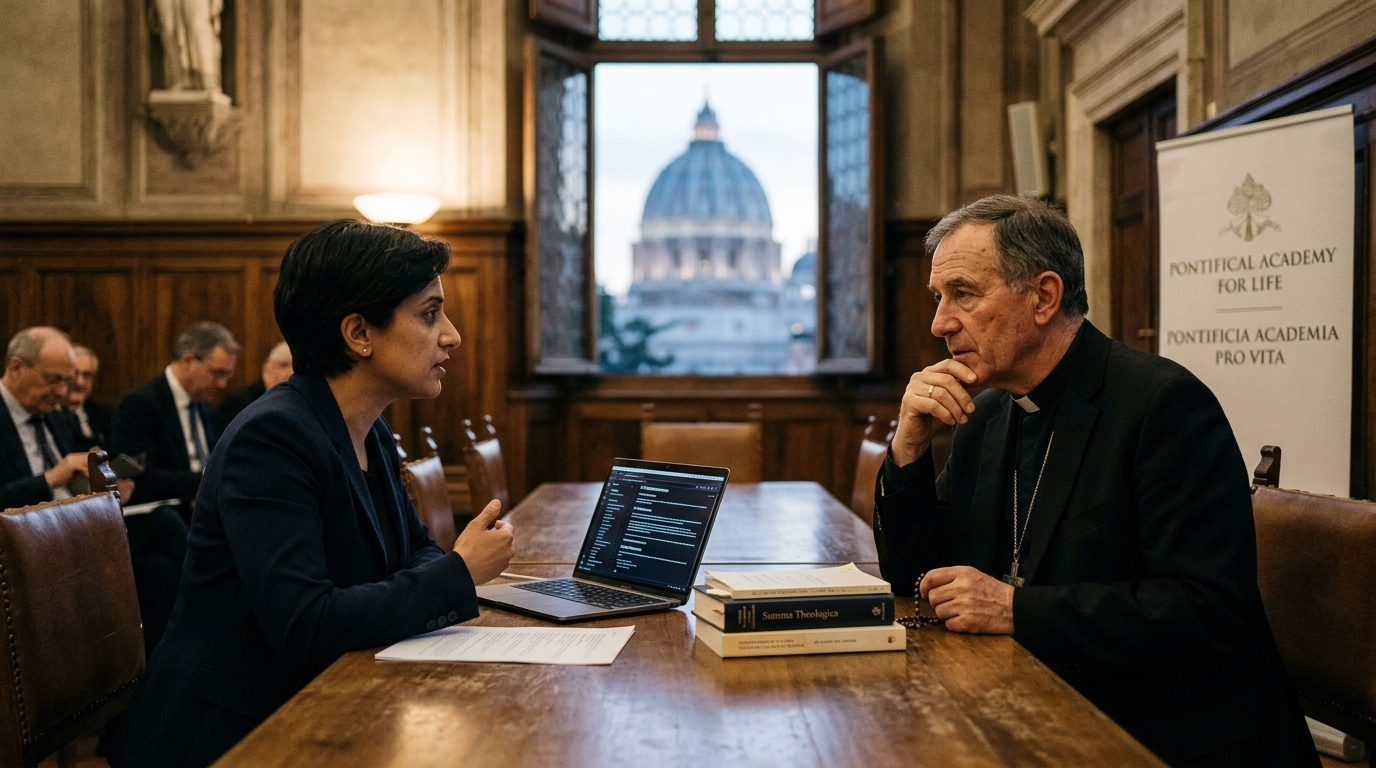
The Catholic Church’s engagement with Artificial Intelligence is not a recent phenomenon. From the 'Rome Call for AI Ethics' to Pope Francis's recent encyclicals and messages, the Vatican has consistently maintained that technology must serve the human person, rather than the other way around. However, the specific commendation of Anthropic highlights a deeper convergence between theological ethics and safety engineering.
Catholic experts, such as Brian Green from the Markkula Center for Applied Ethics, point out that Anthropic's approach—known as 'Constitutional AI'—reflects the need for an ethical framework that doesn't rely solely on human feedback, which can be flawed or biased. Instead, it relies on a set of explicit principles. This 'constitution' acts as a form of digital conscience, guiding the model to avoid harmful behaviors not because it was 'punished' during training, but because its actions would violate its foundational values.
The Case for 'Ethical Deceleration'
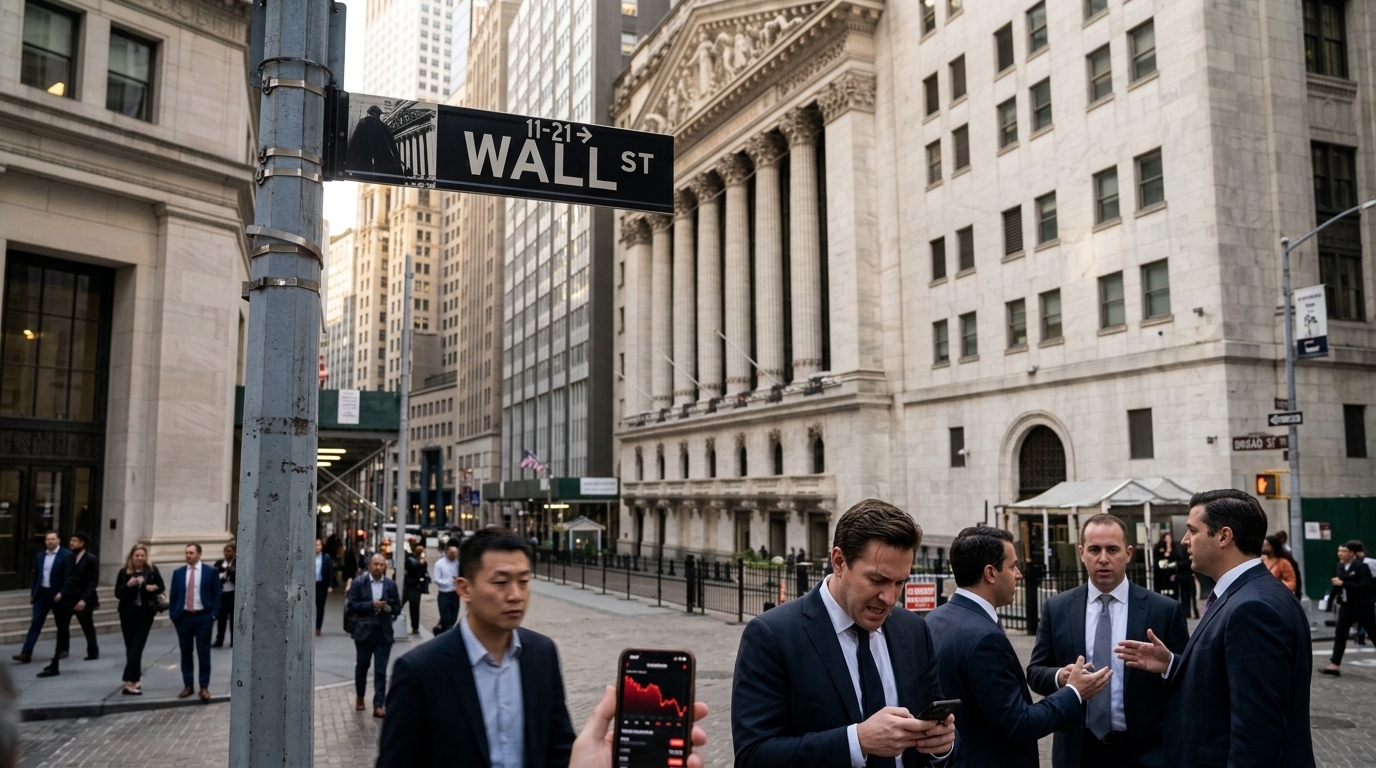
The central point of contention in the AI industry today is speed. While giants like OpenAI and Google push for increasingly powerful models, Anthropic has repeatedly warned about the dangers of unchecked scaling. Their call for a slowdown is not a white flag of surrender, but an act of prudence. Catholic analysts argue that the 'mania for speed' is often a symptom of what Pope Francis calls the 'technocratic paradigm'—a mindset where efficiency and profit supersede human dignity.
- Human Dignity: AI must protect the rights of the vulnerable and not be used for mass surveillance or behavioral manipulation.
- The Common Good: Technological progress must be shared equitably and should not widen the chasm between wealthy and poor nations.
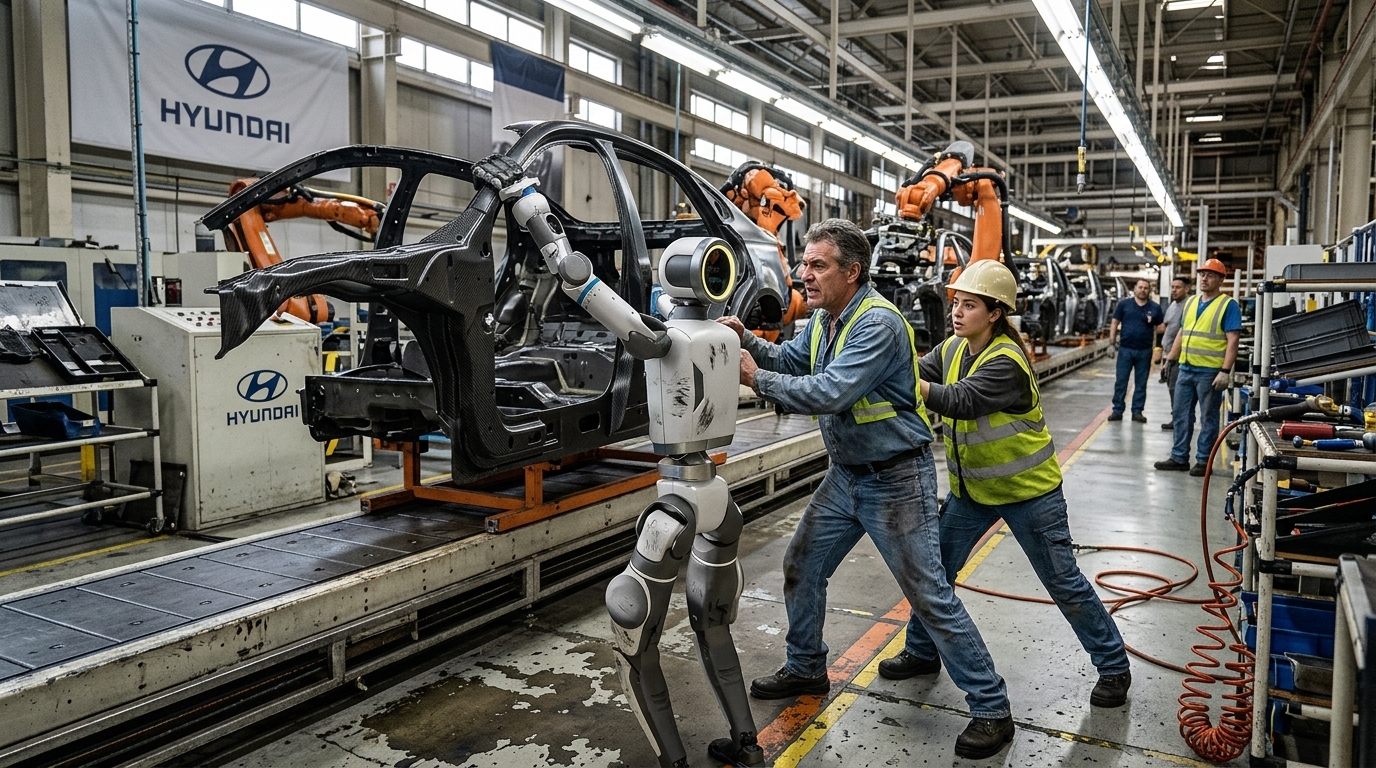
- Accountability: Developers must take responsibility for the outcomes of their systems, even if those outcomes are emergent and unpredictable.
Anthropic, through its founders Dario and Daniela Amodei, has argued that without a full understanding of how large language models function (the 'black box' problem), further scaling could lead to catastrophic alignment failures. This position aligns with the Catholic principle of 'precaution,' which teaches that when an activity poses threats to human health or the environment, precautionary measures should be taken even if some cause-and-effect relationships are not fully established scientifically.
Beyond Profit: A New Challenge for Silicon Valley
Support from religious institutions provides Anthropic with a level of moral legitimacy that many of its competitors lack. However, the question remains: Can a company backed by venture capital stay true to its principles when the market demands rapid results? Catholic experts warn that ethics cannot be merely a marketing tool. It requires sacrifices, potentially including financial ones.
"Technology is a gift from God, but without an ethical compass, it can become our oppressor," a representative from the Pontifical Council for Culture noted.
Anthropic seems to be rising to this challenge by integrating principles from the Universal Declaration of Human Rights and other ethical traditions into Claude’s constitution. This quest for a 'universal ethics' in AI is perhaps the most ambitious bridge ever built between ancient wisdom and future intelligence.
The Future of Collaboration
As we move through 2026, the debate over AI ethics is shifting from theoretical conferences to practical implementation. The collaboration—even if indirect—between the Catholic Church and tech pioneers like Anthropic suggests a third way: neither the blind acceptance of technology nor its fearful rejection, but its conscious cultivation for the benefit of all humanity.