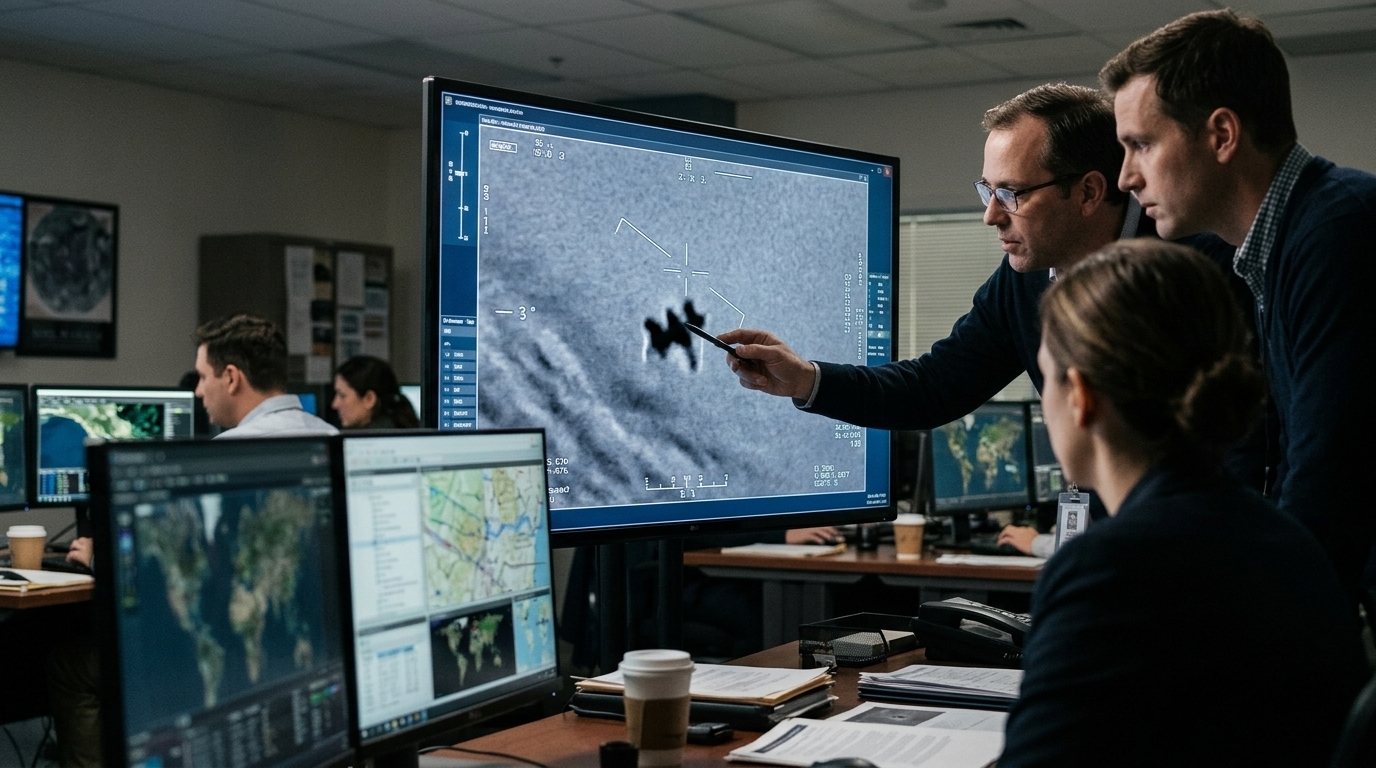
Elon Musk’s announcement to deploy the first extra-atmospheric data centers by 2028 is not merely another ambitious promise from SpaceX; it is the starting point of a new technological and geopolitical clash. As humanity shifts its digital fabric beyond Earth’s boundaries, the primary obstacle is not a lack of vision, but the rigid laws of physics and the inherent limitations of radio communications.
The End of the Radio Spectrum
For decades, radio frequencies (RF) have been the backbone of space communication. However, with the explosion of Low Earth Orbit (LEO) satellite constellations like Starlink, the available spectrum has begun to reach a saturation point. Signal interference and limited data transfer rates are making traditional RF communications inadequate for the needs of a modern data center requiring petabytes of data per second.
Dan Roelker, former head of software engineering at SpaceX and co-founder of Observable Space, points out that the challenge isn't just speed, but reliability. In space, signals must traverse vast distances with minimal loss while contending with 'noise' from solar activity and other cosmic sources of interference. Observable Space is working on solutions that combine advanced signal management software with new networking architectures capable of self-healing in real-time.
The Thermal Challenge and the Vacuum
One of the less discussed but most critical problems is heat management. On Earth, data centers are cooled by air or water. In the vacuum of space, air does not exist to carry heat away from processors. The only method of energy dissipation is radiation, which is notoriously inefficient for the temperatures generated by high-end AI-era servers.
- Radiation Hardening: Electronic components must be shielded against cosmic rays, which often limits their raw computational performance compared to terrestrial counterparts.
- Power Autonomy: Reliance on solar arrays means processing power fluctuates based on orbital position and sun exposure.
- Maintenance: Unlike a data center in Ireland or Finland, a failed drive in orbit cannot be easily replaced by a technician.
The Optical Revolution: Lasers over Radio
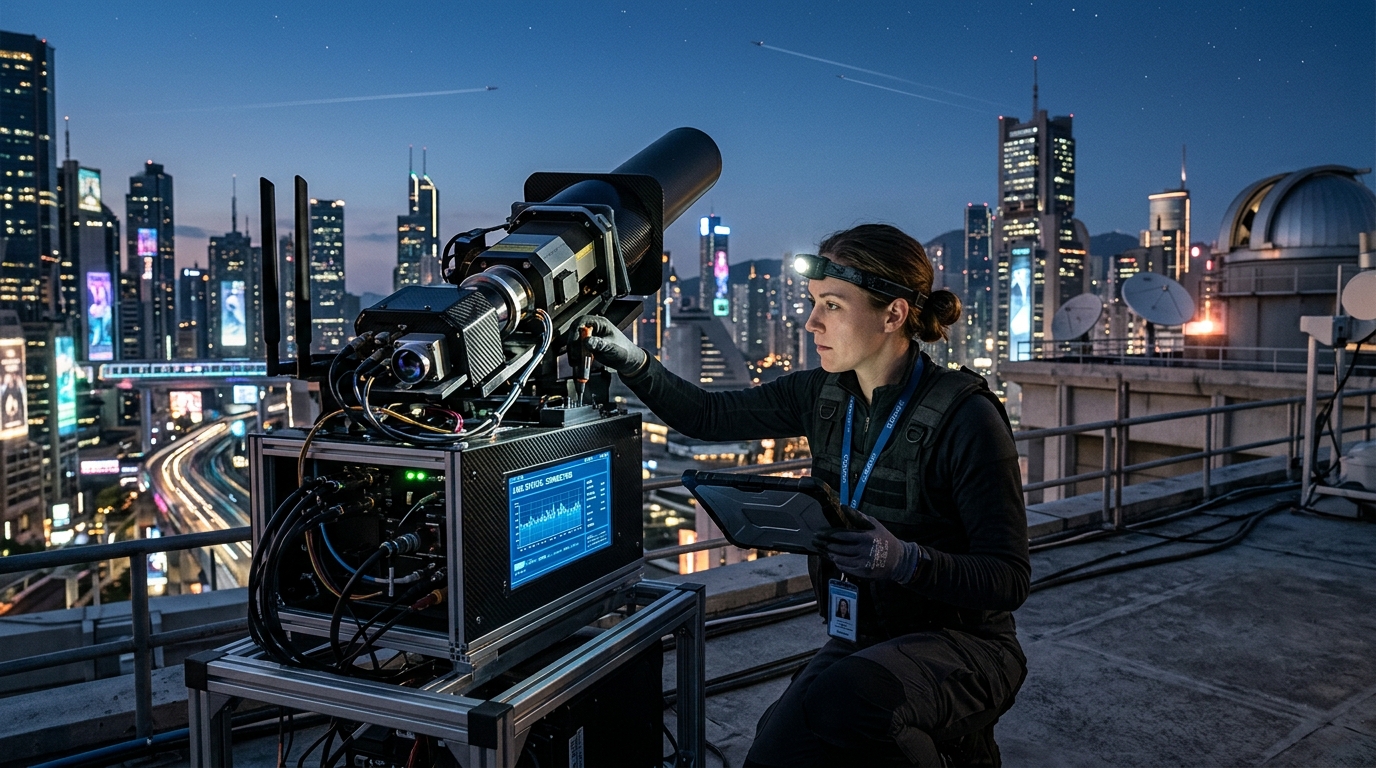
The solution gaining momentum is the use of Optical In-tersatellite Links (OISLs). Lasers offer bandwidth thousands of times greater than radio waves and are nearly impossible to intercept or jam because the beam is extremely narrow. The challenge here is precision: hitting a receiver moving at thousands of miles per hour from hundreds of miles away requires accuracy that pushes the boundaries of modern engineering.
"Space is the new 'Edge.' It’s not just about storing data; it’s about processing it where it’s generated, reducing the need for constant back-and-forth communication with Earth," Roelker notes.
Geopolitics and Data Sovereignty
Moving data to space raises serious questions regarding jurisdiction. What law applies to a server in orbit? If a company like SpaceX controls the infrastructure, how is the digital sovereignty of nations ensured? The European Union is already considering its own IRIS² network to avoid dependence on American private interests. The battle for control of space telecommunications will define the economic balance of the 21st century, as whoever controls the flow of information from orbit effectively controls the global economy.