The integration of Artificial Intelligence (AI) into healthcare is no longer a futuristic concept but a daily reality transforming hospitals and clinics worldwide. However, the American Nurses Association (ANA), representing millions of professionals on the front lines of care, has issued a resounding warning: technology cannot and must not replace human judgment, nor should it be developed without the direct involvement of those who provide the care.
The Necessity of Nursing Leadership in the Digital Transition
The ANA's recent position highlights a critical gap in the development process of medical technologies. Often, algorithms are designed by engineers and corporate executives focused on efficiency and cost reduction, overlooking the subtle nuances of clinical practice. The ANA argues that nurses, as the professionals who spend the most time with patients, possess the unique insights necessary to ensure that AI enhances rather than undermines patient safety.
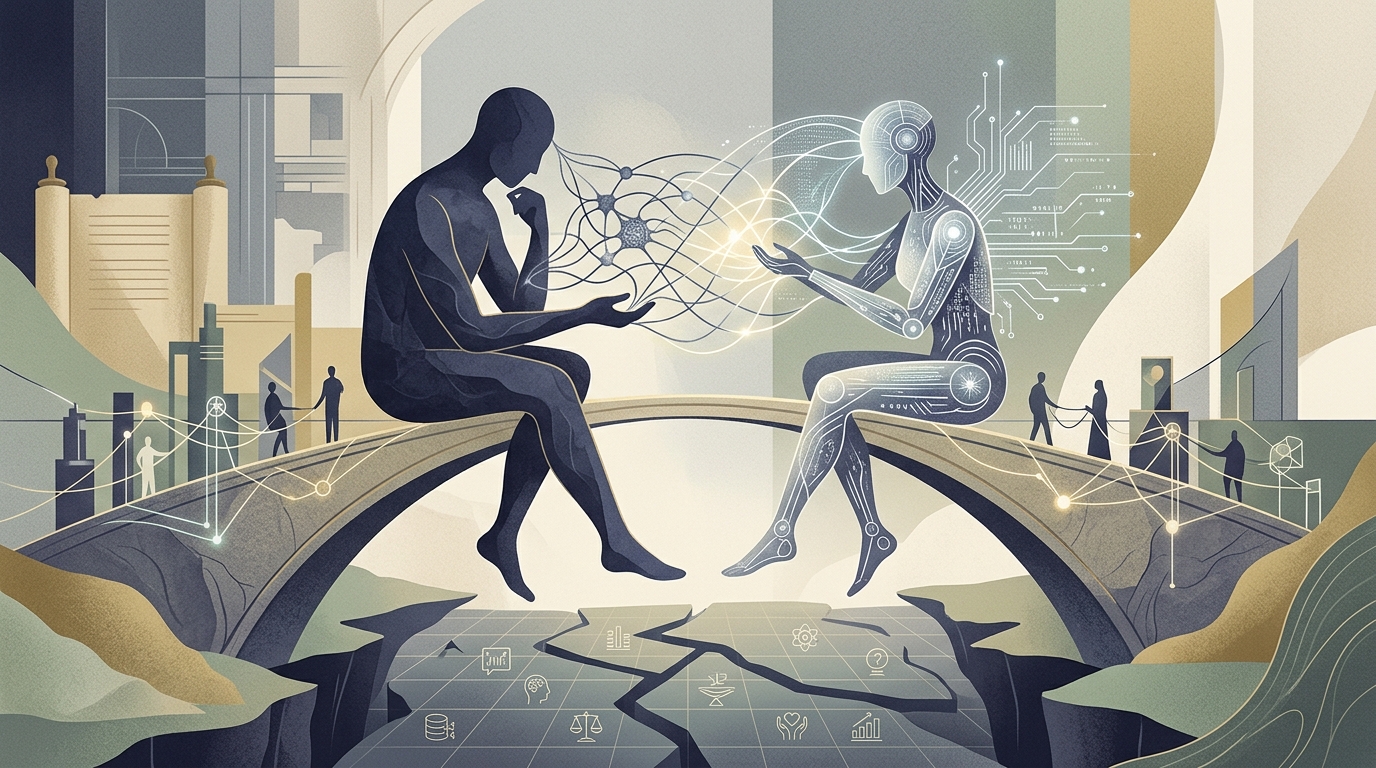
The concept of "nurse-led guardrails" is not just about technical oversight. It is a philosophical and ethical stance that puts the human at the center. Nurses are demanding a seat at the table during the design, testing, and implementation of AI tools, ensuring these systems are transparent, equitable, and free from biases that could lead to health disparities.
Ethical Risks and the Algorithmic "Black Box"
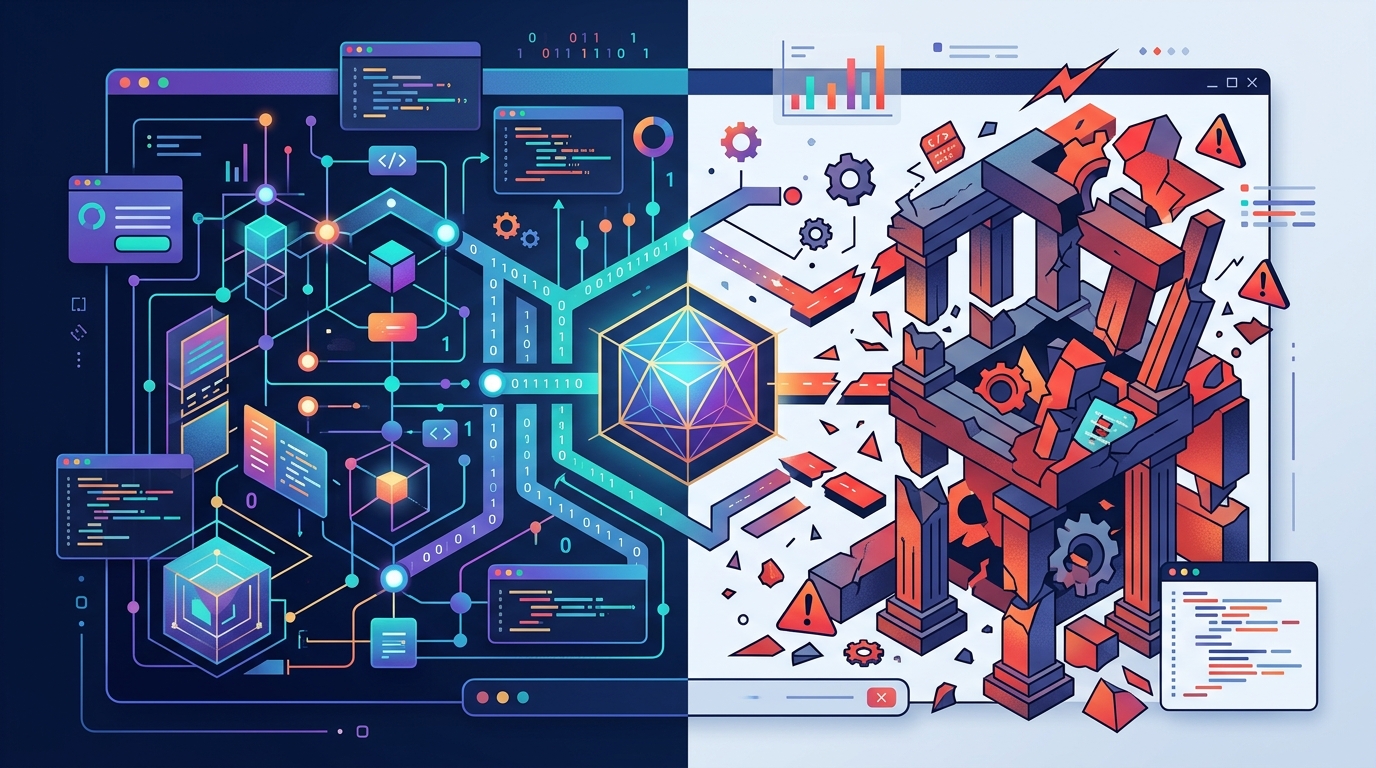
One of the primary points of concern is the lack of transparency in how algorithms make decisions—the so-called "black box" problem. When an AI system suggests a specific treatment or assesses a patient's risk, healthcare professionals must be able to understand the "why." Without this understanding, accountability becomes impossible. The ANA emphasizes that the responsibility for patient health remains with the human, and therefore, humans must have the tools to challenge the technology.
Furthermore, the introduction of AI carries the risk of "automation bias," where clinicians might over-rely on computer suggestions, sidelining their own experience and intuition. The ANA calls for continuous education and frameworks that encourage critical thinking in the face of digital prompts.
The Workforce Dimension: Augmentation, Not Replacement
In an era where healthcare systems face severe staffing shortages and burnout, the promise of AI to reduce administrative burdens is attractive. However, there is a fear that hospital management might use technology as a justification for staffing cuts or increasing patient-to-nurse ratios.
The ANA's position is clear: AI should be used to free up time for direct patient care, not to turn nursing into a mechanical process of monitoring screens. Human touch, empathy, and moral support are elements that no artificial intelligence can replicate, and these are what ultimately lead to better health outcomes.
Conclusions and Future Challenges
The call from the American Nurses Association marks a milestone in the governance of healthcare technology. As we move into 2026 and beyond, the need for national and international standards that include the clinical voice is imperative. AI has the potential to save lives, but only if guided by the values of care, justice, and human dignity. The battle for control over algorithms in hospitals has just begun, and nurses are determined to ensure that the heart of medicine remains human.
- Involvement of nurses in all stages of AI development.
- Transparency and explainability of algorithmic decisions.
- Protection of job security and avoidance of dehumanized care.
- Strict regulatory frameworks that prioritize ethics over profit.