The integration of Artificial Intelligence (AI) into social media is no longer a futuristic promise but a daily reality affecting billions of users. From TikTok's recommendation algorithms to Facebook's automated translation tools, AI forms the backbone of the modern digital experience. However, as recently highlighted in discussions sparked by local outlets like BEST TV Kalamata, this technology brings with it a web of ethical challenges that demand immediate attention.
Algorithmic Curation and the Information Bubble
The primary function of AI in social networks is content curation. Algorithms analyze our every move—every like, every second we linger on an image—to create a personalized environment. While this increases user satisfaction, it creates so-called "filter bubbles." Users are exposed only to views that confirm their own, leading to social polarization and the erosion of democratic discourse.
"Artificial Intelligence in social media does not merely reflect reality; it selectively constructs it for each of us individually."
The question raised is ethical: How much free will do we retain when the "food" for our minds is selected by a machine whose sole purpose is to maximize our time spent on the platform?
The Threat of Misinformation and Deepfakes
One of the darkest aspects of AI is the ease with which false content can now be produced. Deepfakes—videos or audio clips that look and sound perfectly real but are synthetic creations—pose an existential threat to truth. Within the context of social media, where information spreads at the speed of light, a well-crafted deepfake can destroy reputations or influence election results before it can even be debunked.
Platforms are investing billions in AI systems to detect such content, creating a literal "war of the algorithms." Ethically, the responsibility shifts: are tech companies the new "arbiters of truth"? And if so, who monitors the monitors?
Mental Health and the Attention Economy
We cannot overlook the impact of AI on mental health, especially among the youth. Algorithms are designed to exploit human psychology, creating dopamine loops that lead to addiction. Constant comparison with AI-enhanced "perfect" images creates standards of beauty and success that are impossible to achieve, intensifying anxiety and depression.
- Increased rates of digital addiction among teenagers.
- Erosion of self-esteem through AI beauty filters.
- Constant need for validation through likes and shares.
Opportunities for a New Digital Era
Despite the challenges, AI also offers unprecedented opportunities. Automated translation capabilities are breaking down language barriers, allowing a resident of Kalamata to converse in real-time with someone in Tokyo. Furthermore, AI can serve as an accessibility tool for people with disabilities, converting images into audio descriptions or voice into text.
The democratization of content creation is also a significant gain. Generative AI tools allow small creators to produce high-quality content that previously required massive budgets, somewhat leveling the playing field with media giants.
Conclusion: Toward a New Social Contract
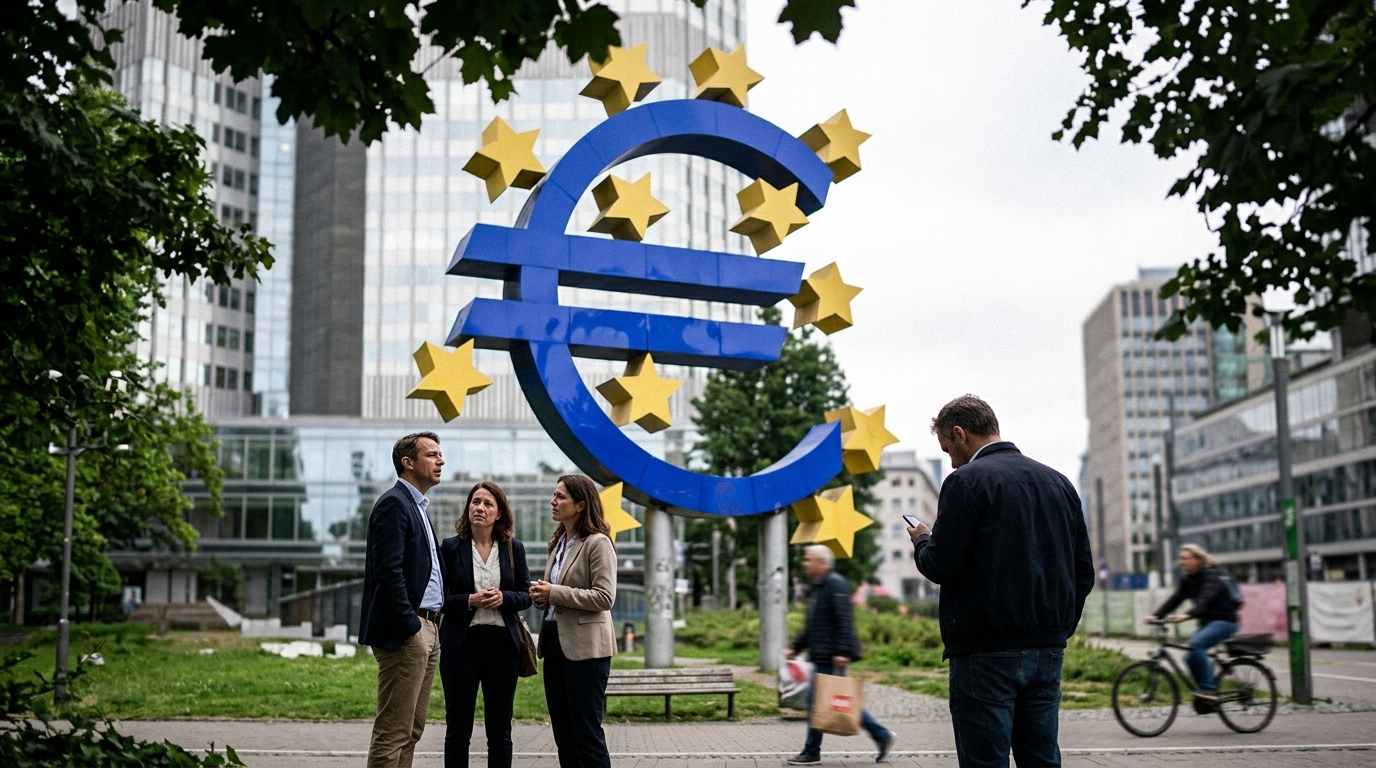
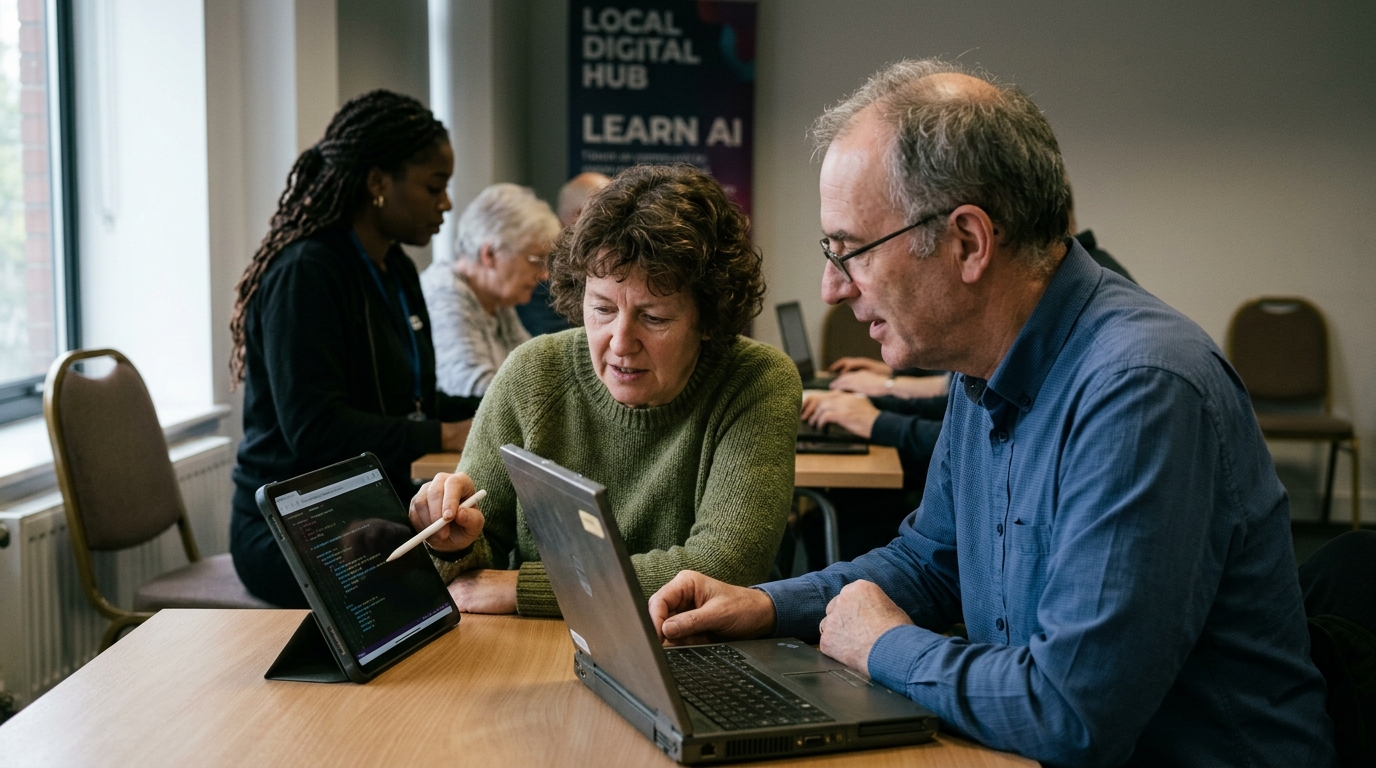
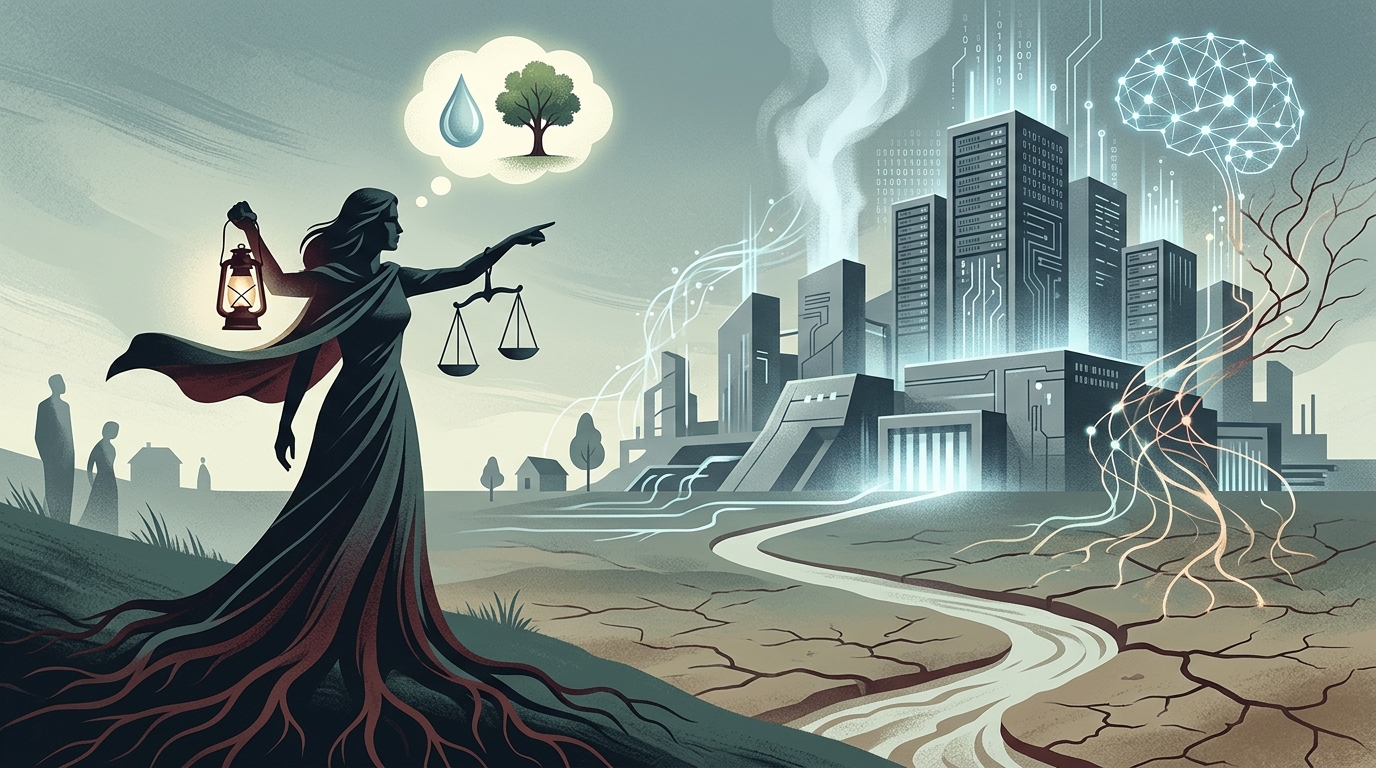
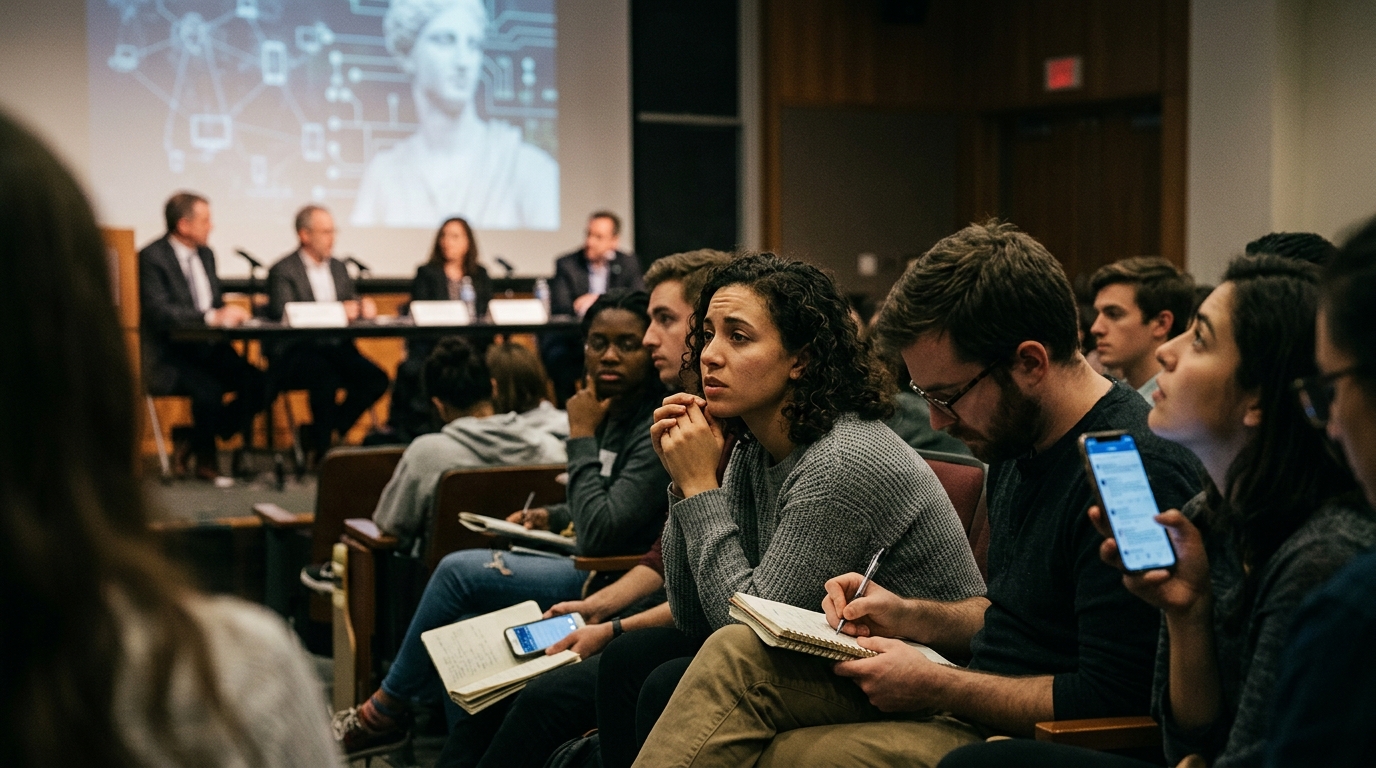
The path forward requires a new social contract between users, the state, and tech giants. Algorithmic transparency, citizen education in digital literacy, and strict legislation (such as the EU's AI Act) are the necessary tools to ensure that Artificial Intelligence serves humanity and not the other way around. The conversation starting from local communities and reaching global decision-making centers is the first step toward an ethical digital revolution.