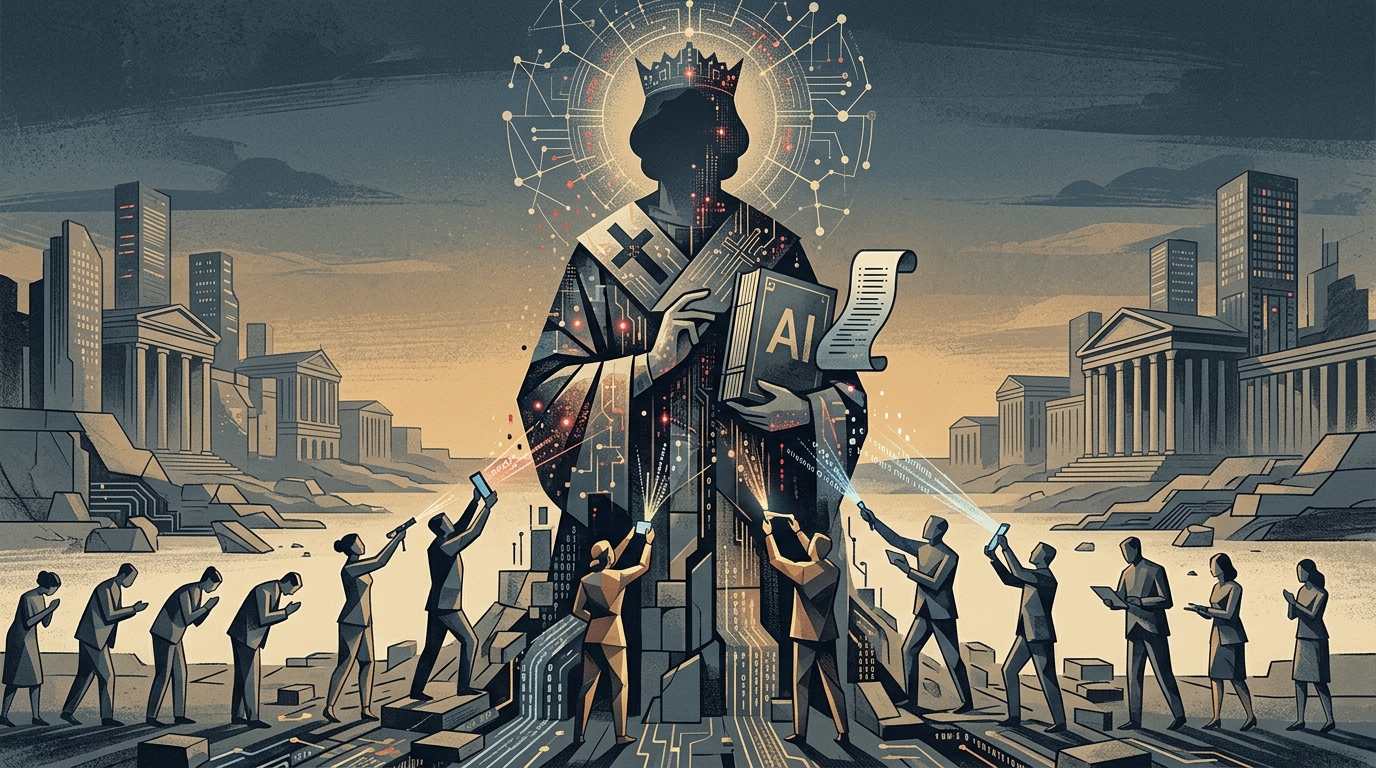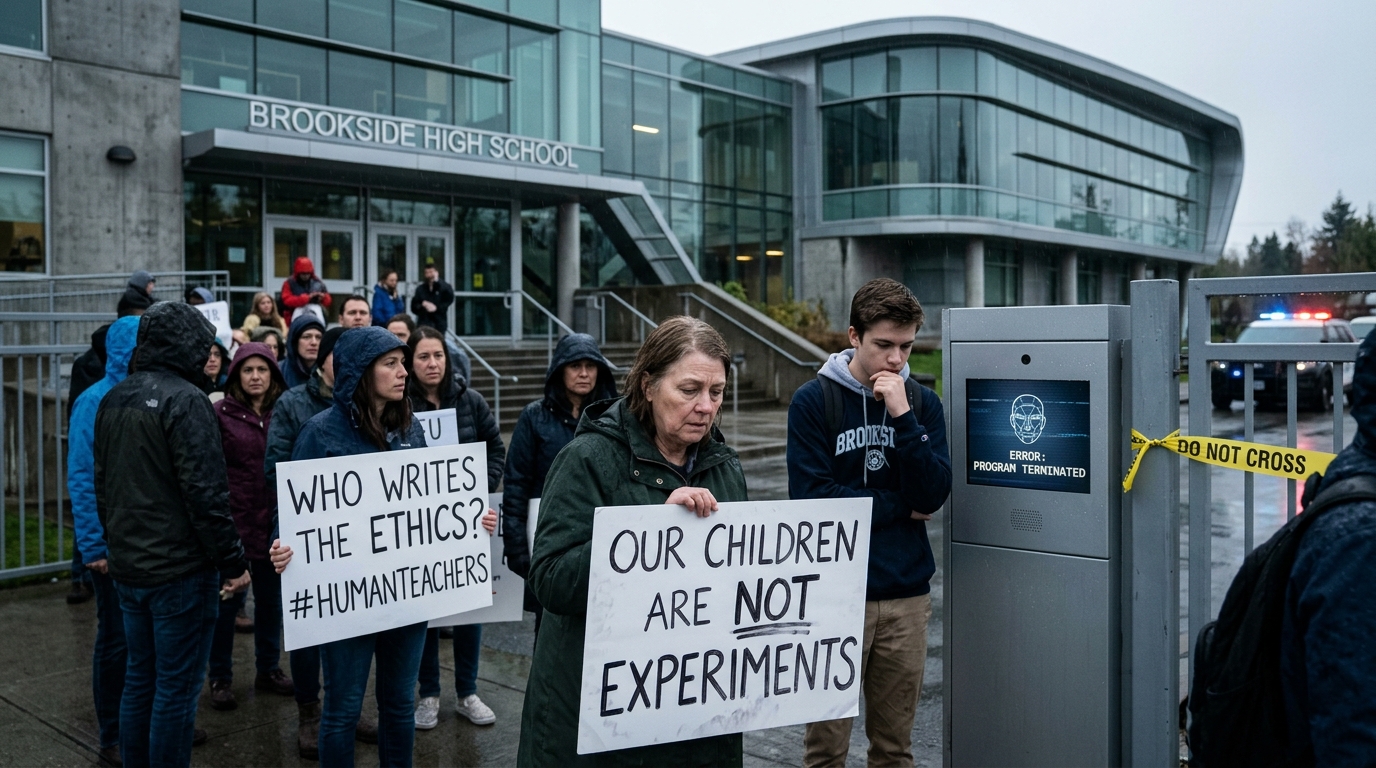
The news of the cancellation of the first "fully automated" High School, which was set to operate powered by leading Artificial Intelligence systems, marks a historical turning point in the debate over the future of education. After months of intense protests from parents, educators, and child psychology experts, investors and local authorities announced the definitive cessation of the project, admitting that "social license" was never achieved. The experiment, which aimed to replace static classroom instruction with personalized learning algorithms, hit a wall of ethical concerns and fear regarding the dehumanization of the student experience.
The Promise of Hyper-Personalization vs. Reality
The vision behind the school was, in theory, compelling. In a world where students have vastly different learning paces, AI could offer a "tailor-made suit" for every child. The algorithm would identify knowledge gaps, adjust educational material in real-time, and provide 24/7 feedback. Proponents of the venture argued that traditional teachers are often overworked and unable to attend to the specificities of 25 or 30 different personalities simultaneously.
However, the reality of implementing this model sparked dread. Critics pointed out that learning is not merely a process of transferring information from a database to a brain. It is a social process built on empathy, inspiration, and human interaction. "An algorithm can teach you how to solve an equation, but it cannot inspire you to become a better person or understand the psychological pressure you feel before an exam," stated a spokesperson for the parents' association that led the mobilizations.
Ethical Dilemmas and the Surveillance of Minors
One of the most thorny issues leading to the project's collapse was data privacy. For the AI-Powered High School to function effectively, constant monitoring of students was required: from their performance on tests to their eye movements on the screen and their reactions to difficult topics. This created a scenario of a "digital Panopticon," where every move of the teenager would be recorded and analyzed by a private tech company.
- Who owns the learning data of children?
- How does the knowledge of being constantly judged by a machine affect a teenager's psychology?
- What happens if the algorithm exhibits bias due to the data it was trained on?
These questions remained unanswered, fueling suspicion that the school was nothing more than a testing ground for EdTech companies seeking to commodify childhood. The protests outside the school's construction site were not just about technology, but about the very concept of freedom within the educational process.
The Social Cost of Automation
The failure of this specific high school also highlights concerns about the future of the teaching profession. Although project leaders claimed that teachers would be transformed into "facilitators," the community perceived this change as an attempt to devalue the profession. Pedagogical science requires judgment, moral guidance, and the ability to manage the delicate balances of a group of teenagers – skills that the current generation of AI simply does not possess.
"Education is the last bastion of our humanity. If we surrender the shaping of young minds to code and silicon, we will have failed as a civilization," noted one of the academics who supported the protests.
The decision to halt the project is seen as a victory for civil society against unchecked technological expansion. It demonstrates that, despite the speed at which AI is evolving, there are sectors of human activity where human presence remains non-negotiable. The lesson from this story is not that technology has no place in schools, but that it must function as a tool in the hands of the teacher, rather than as the teacher itself.