The promise of Artificial Intelligence (AI) has always been the liberation of the human spirit from the drudgery of repetitive tasks. However, as we navigate through 2026, the reality within the corridors of major multinationals and tech giants is proving to be far more complex. CEOs worldwide find themselves trapped in a "zero-sum game": the adoption of AI is not necessarily leading to a new era of corporate prosperity, but to a harsh dilemma between mass layoffs and the systemic burnout of the workforce that remains.
The Productivity Paradox
In theory, if an AI tool increases a department's productivity by 30%, a business has two paths. The first is to maintain the same production level while reducing staff by the corresponding percentage, satisfying shareholders with an immediate reduction in operating expenses. The second is to retain staff and demand 30% more output. In practice, we are witnessing a dangerous convergence: companies are reducing staff while simultaneously increasing demands on the remaining employees, who are now tasked not only with their own duties but also with supervising the AI systems that were supposed to help them.
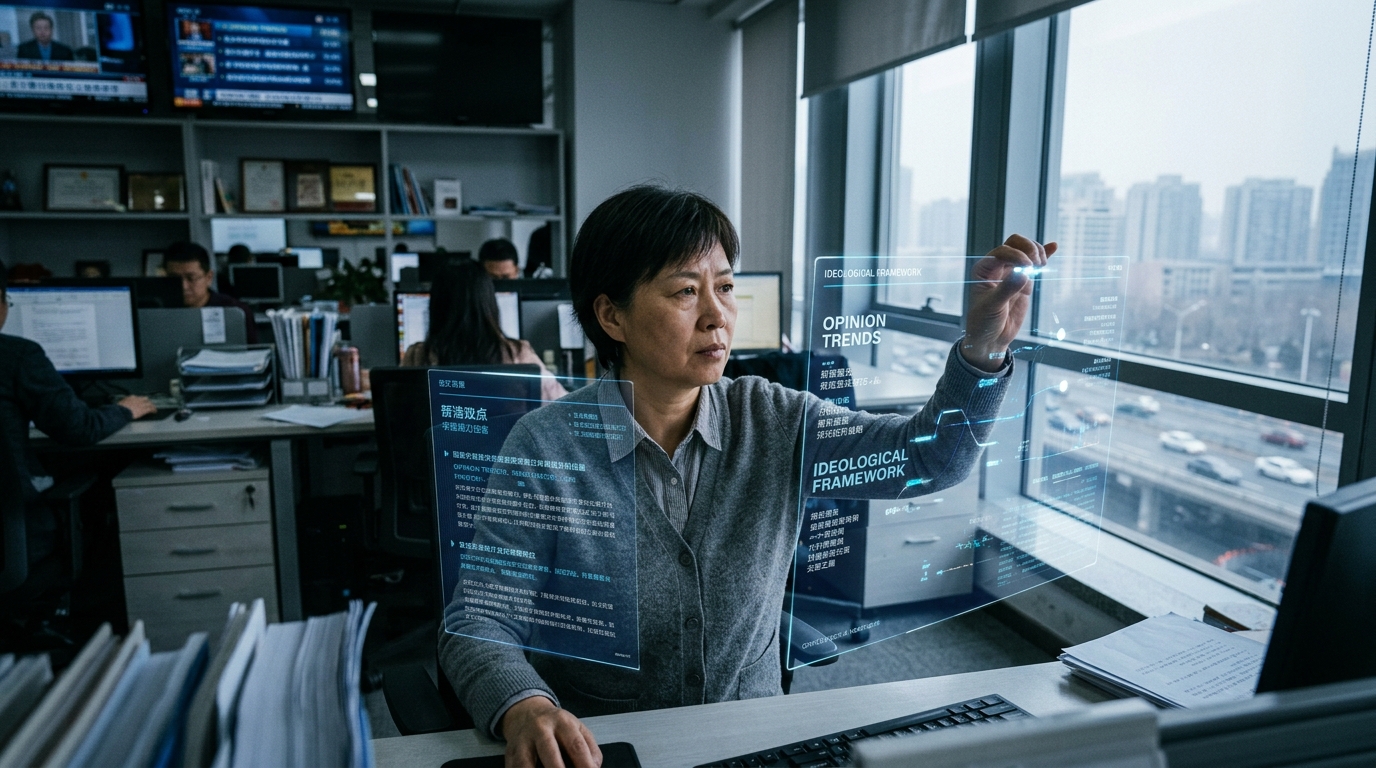
A recent report by Fortune Greece highlights this exact friction point. CEOs are under immense pressure from markets to show immediate returns on the billions invested in AI. This translates into a culture of "augmented work," where humans become monitors of a non-stop production engine for content, code, or data. The result? A new form of digital fatigue that is no longer just about the volume of work, but the velocity at which it must be executed.
Mental Health as Collateral Damage
Burnout in the AI era is not just exhaustion; it is the feeling that the employee is in a constant race against an algorithm that never sleeps. According to workplace analysts, the introduction of Generative AI has heightened the anxiety of "replaceability." Employees feel the need to prove their value by working harder, fearing that if AI can do 80% of their job, the remaining 20% is not enough to justify their salary.
"Technology is no longer a tool we hold in our hands, but a regulator that dictates our heart rate in the workplace," notes a senior human resources executive.
CEOs who choose layoffs to "rationalize" costs often overlook the erosion of institutional memory and the destruction of corporate culture. When employees see their colleagues replaced by bots, trust in management evaporates, creating an environment of low engagement and high toxicity.
The Strategy of Human Augmentation
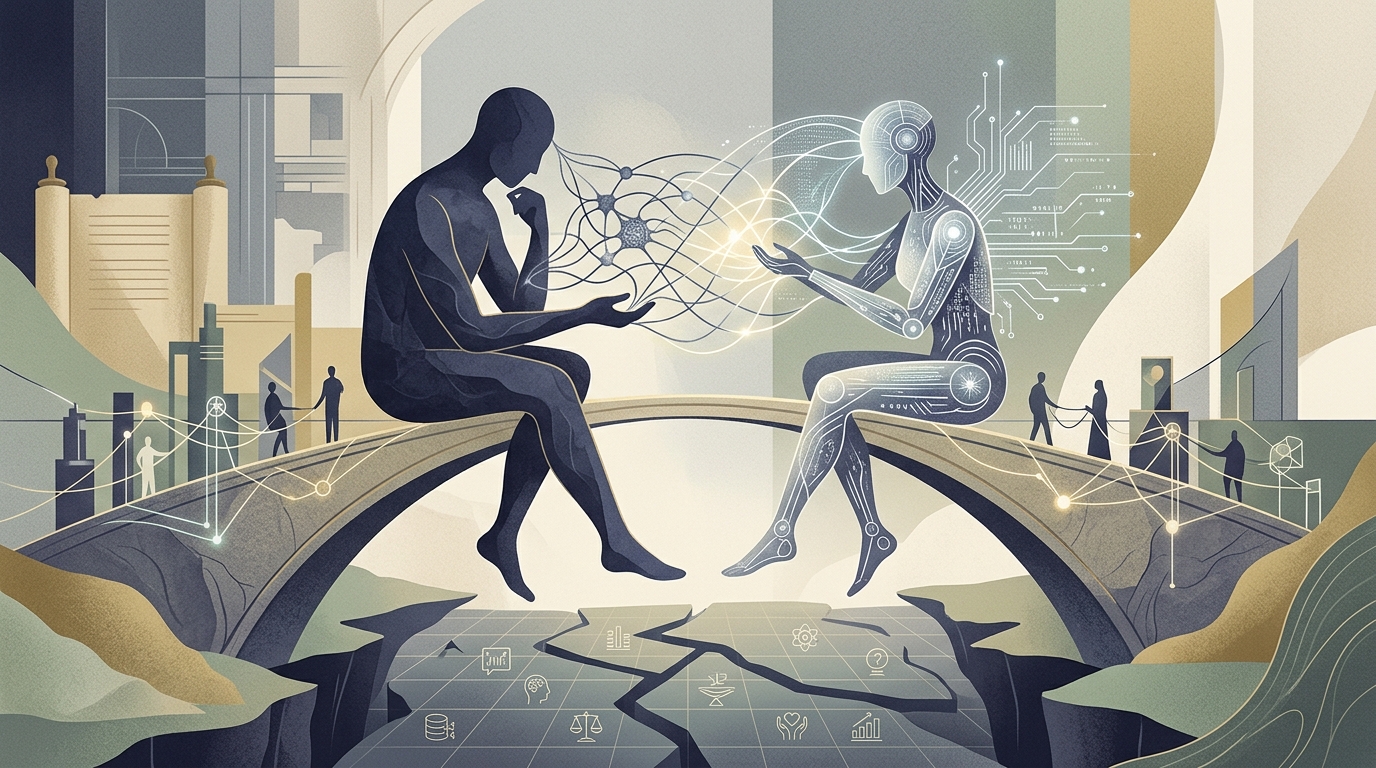
There is, however, another side. Some businesses are choosing to use AI to reduce working hours while maintaining the same salary levels. This approach, while appearing ideal, requires a radical overhaul of the capitalist model based on perpetual growth. If AI provides productivity gains, who reaps the benefits? The shareholder, the CEO, or the worker?
- Reskilling: Investing in knowledge rather than replacement.
- Psychological Safety: Ensuring AI is a partner, not a competitor.
- New Measurement Models: Evaluating performance based on quality and creativity, not AI-driven speed.
The CEO's dilemma is not technical, but ethical and political. The choice between layoffs and burnout will determine which companies survive in the long run. History has shown that organizations that sacrifice human capital on the altar of short-term efficiency eventually lose their innovative edge. In the age of AI, the true luxury and competitive advantage will not be the algorithm, but the well-rested, creative, and committed human being.