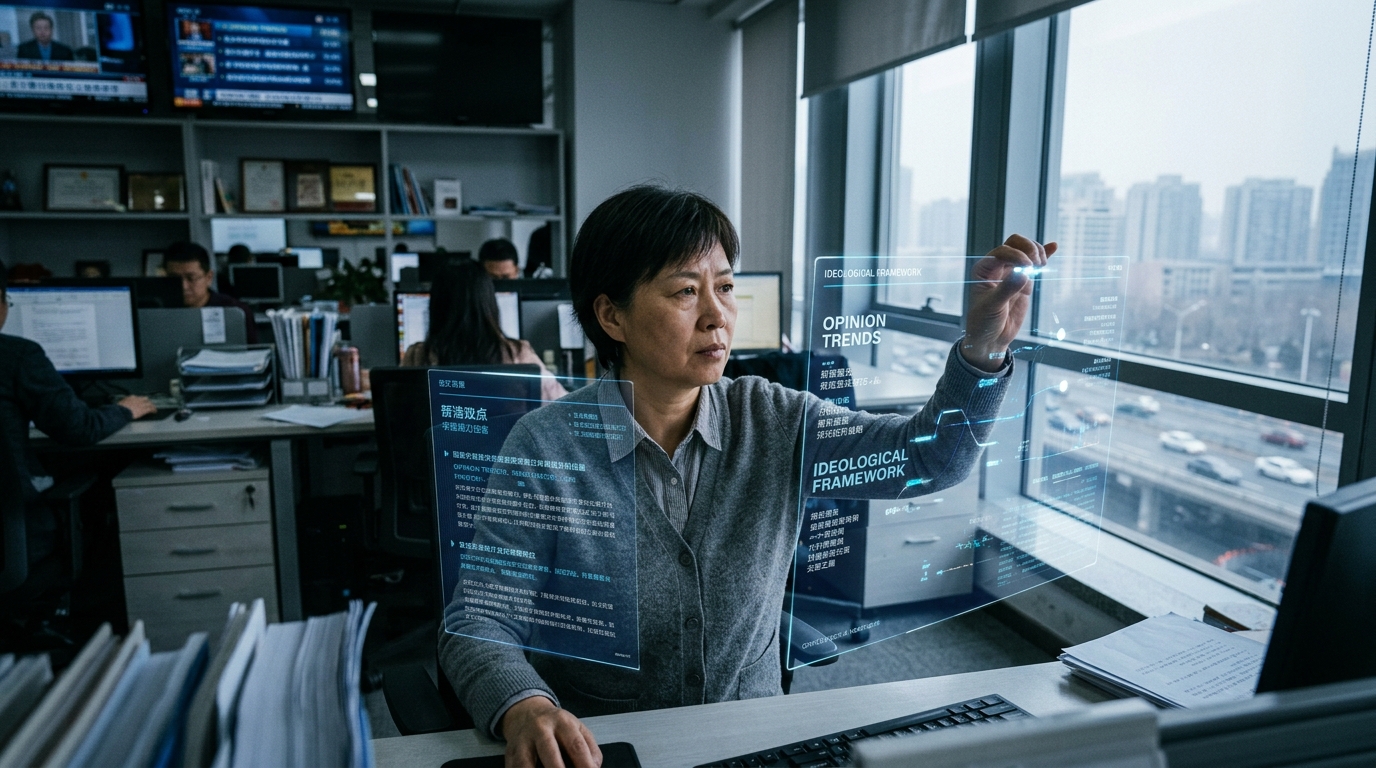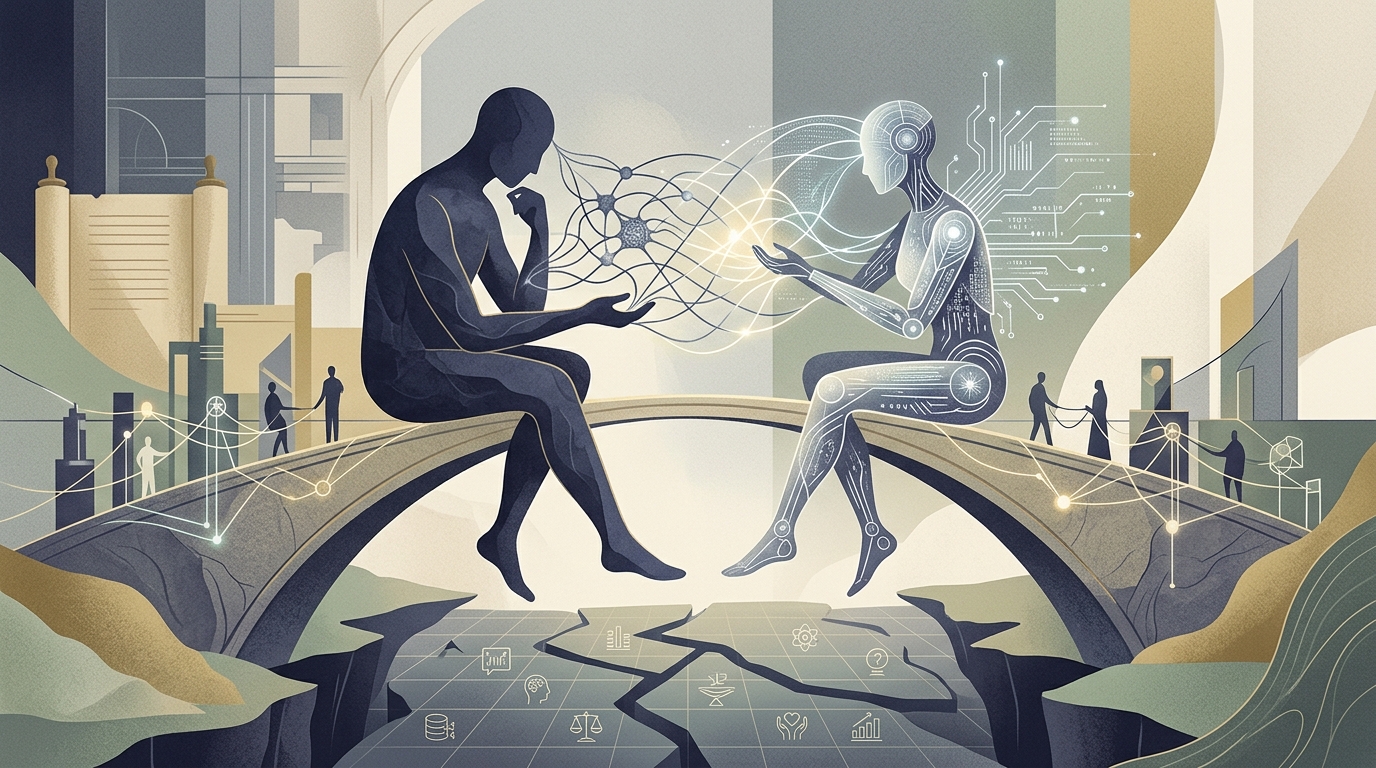
The rapid evolution of Generative Artificial Intelligence (AI) has brought a dark undercurrent that threatens the very foundations of equality and democracy. According to a recent United Nations report, the rise of deepfakes and automated harassment is functioning as a new, sophisticated mechanism for ostracizing women from the public sphere. What began as a technological breakthrough is now being weaponized by those seeking to silence female journalists, politicians, and activists, creating a climate of fear that forces them into self-censorship or complete withdrawal from digital spaces.
The Weaponization of Synthetic Media
The UN report highlights a staggering statistic: 96% of deepfake videos found online consist of non-consensual pornographic content, and 99% of those target women. The ease with which anyone can now create realistic images or videos using just a single social media photo has turned digital gender-based violence into an everyday reality. This is not merely an insult to personal dignity; it is a strategic tool for delegitimization. When a woman in a position of power or with a public voice is targeted by deepfake content, the goal is not just humiliation, but the destruction of her credibility and the deterrence of other women from following a similar path.
The consequences are devastating for the victims' mental health, but the implications are deeply political. The UN notes that the "digital exile" of women leads to a less representative democracy. When women fear that public engagement will make them targets of digital character assassination that could impact their personal and professional lives, they choose silence. This phenomenon, known as the "chilling effect," robs society of critical voices and diverse perspectives.
Platform Accountability and Regulatory Gaps
A central pillar of the UN's critique is directed at technology companies. Despite promises of safe platforms, content moderation tools often fail to identify AI-generated content that violates women's rights in real-time. Furthermore, social media algorithms often reward "provocative" or extreme content, granting greater visibility to deepfake attacks as they quickly accumulate reactions and shares.
- Lack of adequate guardrails in generative AI tools to prevent the creation of non-consensual sexual content.
- Delayed response times by social media platforms in removing malicious deepfakes.
- Insufficient legal frameworks in many jurisdictions to prosecute the creators and distributors of harmful synthetic media.
The report calls for a "human-centric" approach to AI development. This means that safety and human rights must be integrated into the design of AI models from the outset (Safety by Design), rather than being an afterthought or a reactive patch to systemic failures.
Democracy at Stake: The Political Battlefield
In the political arena, deepfakes are being used as disinformation tools to influence electoral outcomes. Female candidates face a disproportionately high volume of attacks compared to their male counterparts. These attacks rarely focus on their political stances; instead, they target their moral character using sexist stereotypes amplified by AI. The UN warns that without immediate action, decades of progress toward gender equality in politics could be reversed within years due to technological impunity.
"Artificial Intelligence must not become the back door for a return to an era where women were excluded from decision-making," the report states.
The solution, according to experts, requires coordinated global action. This includes tightening legislation, promoting digital literacy, and imposing heavy fines on companies that allow such content to proliferate. As we move through 2026, international bodies are pushing for the signing of the "Global Digital Compact," which aims to establish ethical rules for AI use worldwide. The battle for the digital commons is not just about technology; it is about who is allowed to speak and who is forced into the shadows.