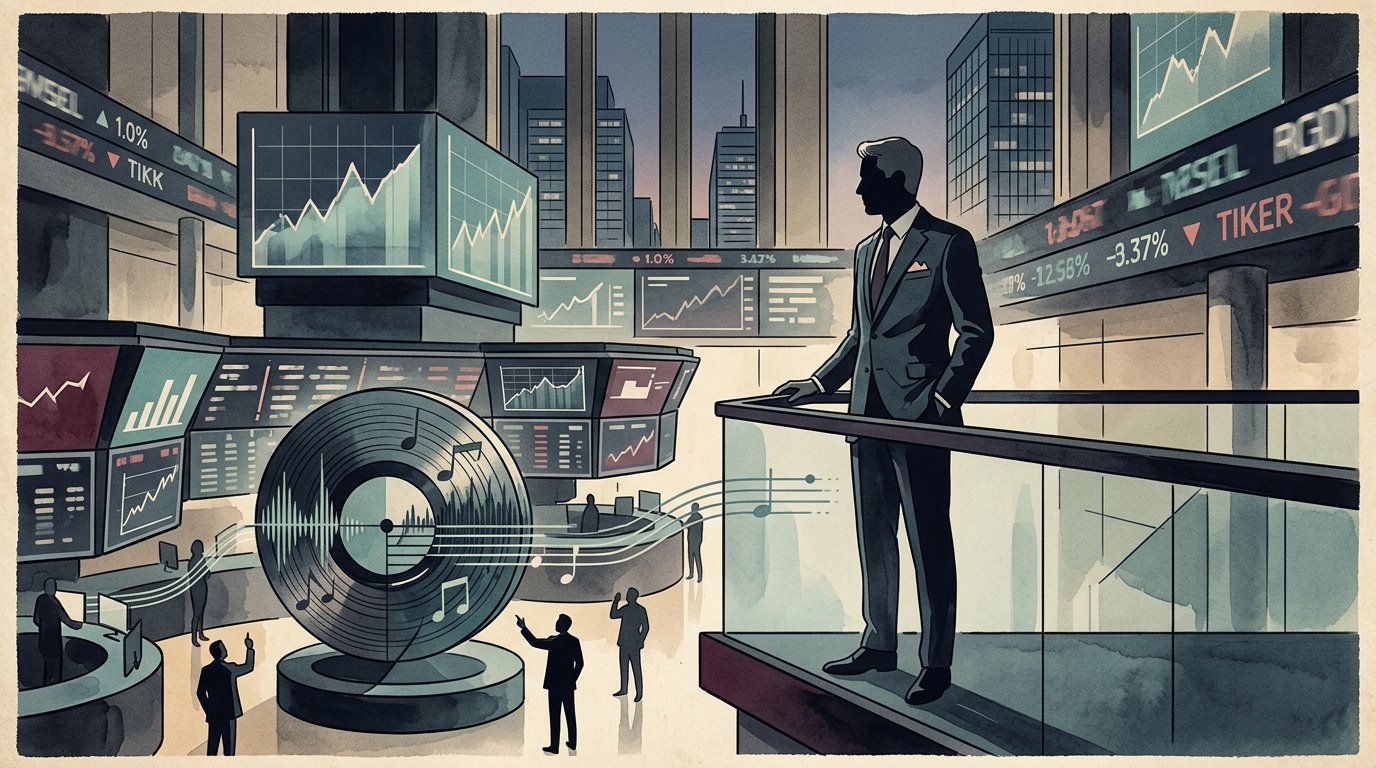
In a historic reshaping of Asia’s financial elite, Zhang Yiming, the visionary founder of ByteDance—the parent company of TikTok—has overtaken Indian tycoon Mukesh Ambani to become the second-richest person on the continent. This development is more than just a change of names on a billionaire list; it reflects a broader tectonic shift in the global economy: the dominance of artificial intelligence and the attention economy over the traditional pillars of industry, energy, and telecommunications.
The Empire of Algorithms
Zhang Yiming’s ascent is inextricably linked to the explosive success of ByteDance. Despite intense geopolitical pressures and the looming threat of a TikTok ban in the United States, the company has managed to sustain an astronomical valuation. This resilience is driven by the unparalleled ability of its algorithms to captivate users and drive engagement. ByteDance is no longer merely about TikTok and Douyin; it is an AI powerhouse that has successfully diversified into e-commerce, content creation via CapCut, and most recently, large language models (LLMs) with its Doubao application.
Zhang’s financial might stems from the private nature of ByteDance. Unlike Ambani’s Reliance Industries, which is publicly traded and subject to market fluctuations and oil price volatility, ByteDance operates in a structure that allows it to reinvest massive profits into AI research and development without immediate shareholder pressure for dividends. This strategy has positioned Zhang as one of the most influential players in the tech landscape, with his personal wealth swelling as his company’s value reaches levels that rival Meta and Alphabet.
Ambani’s Challenge and the Indian Context
On the other hand, Mukesh Ambani, the man who for years symbolized India’s economic dominance, is in the midst of a significant corporate transformation. Reliance Industries, while remaining a giant with deep roots in refining and retail, is striving to reinvent itself as a technology-first company through Jio Platforms. However, growth in traditional industrial sectors is often slower and requires massive capital expenditure in physical infrastructure, contrasting sharply with software products that can scale globally with minimal marginal cost.
Ambani’s slip to the third spot (behind Zhang and Gautam Adani, who frequently rotates at the top) highlights the challenges traditional conglomerates face in an era of digital acceleration. While India remains a booming market with immense potential, the Chinese tech machine, despite domestic regulatory hurdles, continues to generate wealth at a pace that physical industries struggle to match. The battle for the top spot in Asia is now a contest between the 'Old Economy' of resources and the 'New Economy' of data.
Geopolitics and the Future of Wealth
The pivotal question now is whether Zhang Yiming can maintain this position. ByteDance remains a focal point of scrutiny for Western governments concerned about data security and Beijing’s influence. A forced sale of TikTok’s US operations could significantly impact the company’s valuation and, by extension, Zhang’s net worth. However, the sheer scale of the Chinese domestic market and ByteDance's aggressive expansion into Southeast Asia and the Middle East provide a substantial safety net.
In conclusion, Zhang Yiming’s rise is the ultimate example of the 'Algorithm King.' In a world where data is the new oil, those who possess the most efficient ways to process and monetize it will inevitably find themselves at the top of the pyramid. Ambani and his peers must accelerate their digital pivots if they hope to compete with Asia’s new masters, who live and breathe through code and neural networks. The era of the industrialist is giving way to the era of the AI architect.