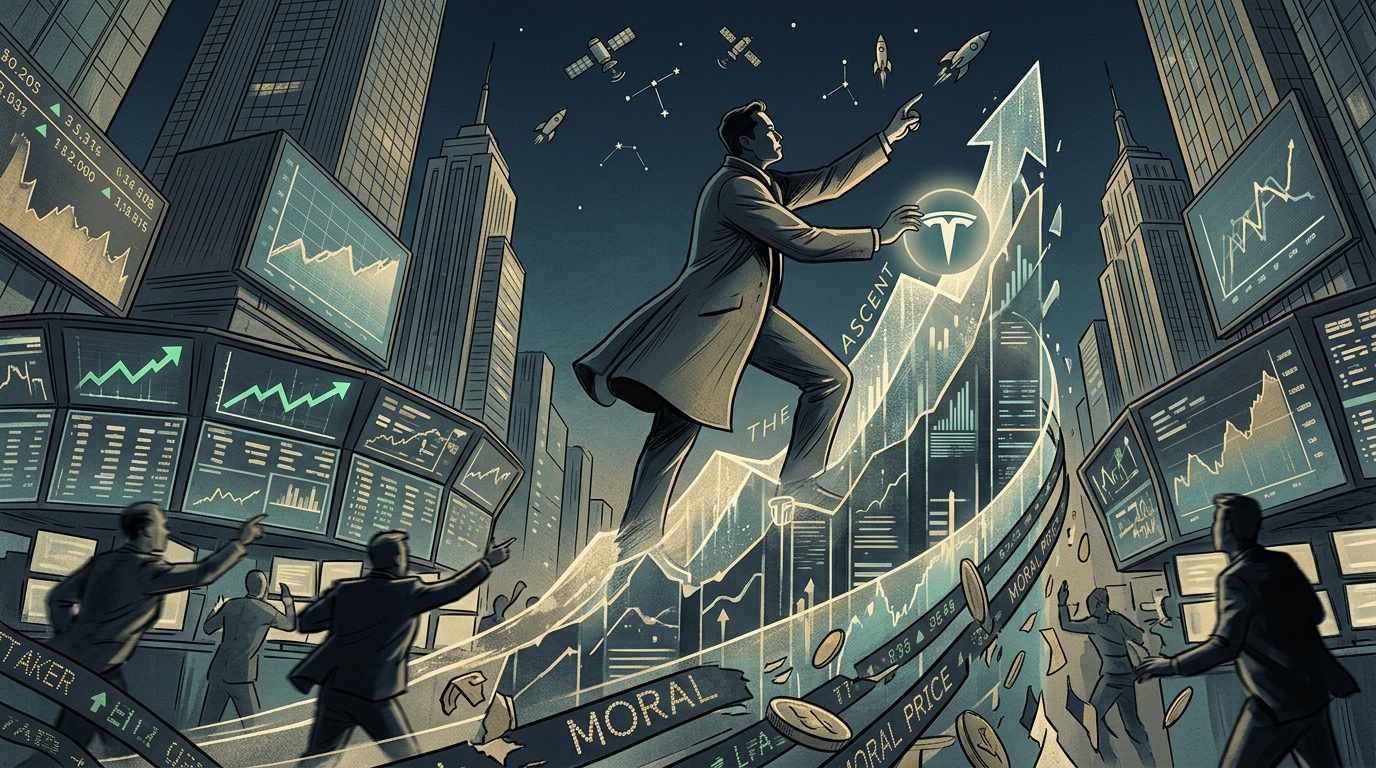
On June 12, 2026, global economic history turned a page, but in a manner that evokes more dread than celebration. The long-awaited SpaceX IPO was not merely a financial milestone; it was the moment Elon Musk crossed the threshold to become the world’s first trillionaire. However, the brilliance of the numbers fails to mask the dark shadow looming over his empire. A searing analysis recently highlighted by The Verge poses a relentless question: What is the true cost of this wealth in human lives?
The Empire of the Stars and the Concentration of Power
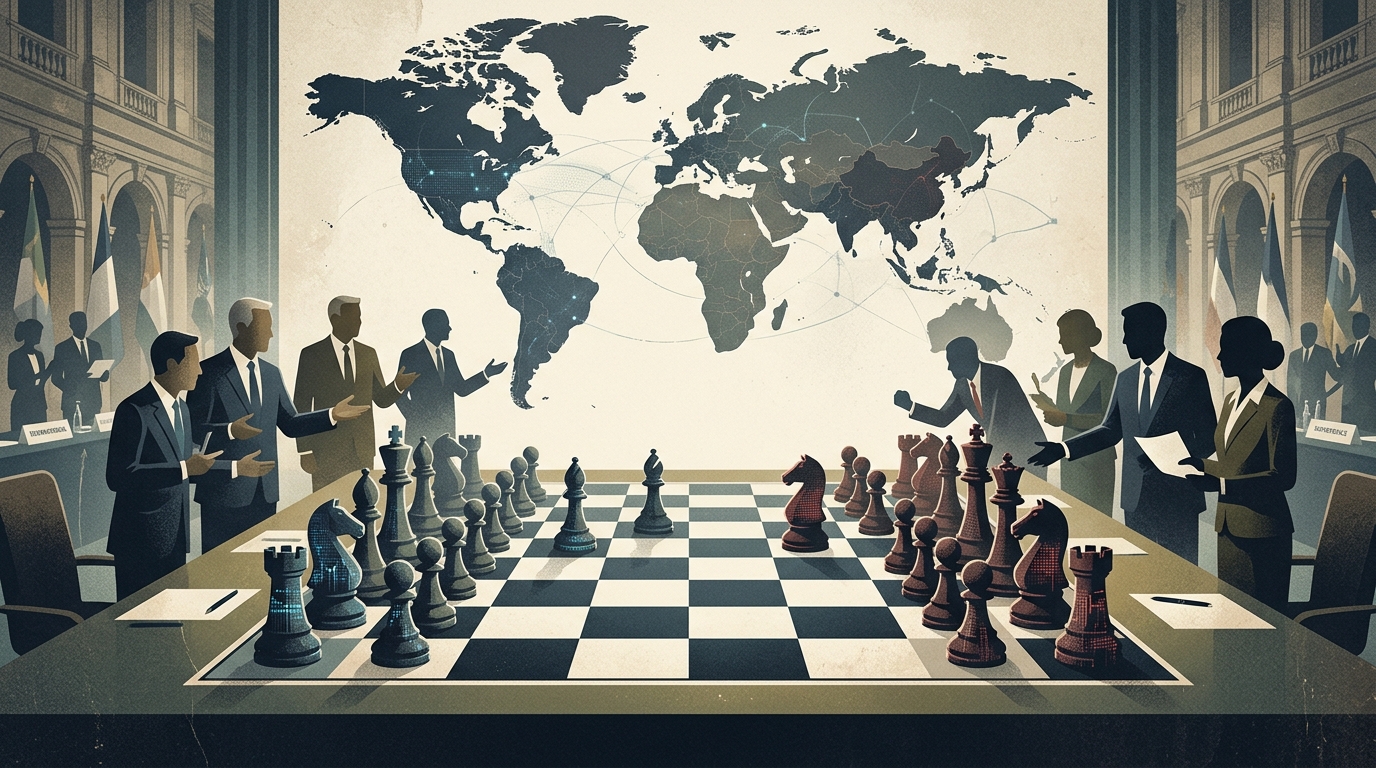
The valuation of SpaceX at levels exceeding one trillion dollars is not just built on its ability to launch rockets. It is predicated on the dominance of Starlink, the satellite network that now controls the flow of information globally. Musk is no longer a mere entrepreneur; he is a geopolitical actor with power rivaling traditional nation-states. This privatization of foreign policy and military infrastructure has set a dangerous precedent where a single individual can determine the fate of nations with the flick of a switch.
The Moment of Crisis: The Allegation of Mass Casualties
The crux of the criticism focuses on Musk’s decisions during critical phases of the war in Ukraine. According to reports that have surfaced, his decision to disable the Starlink network near the Crimean coast to thwart a Ukrainian attack on the Russian fleet was not a neutral act. Critics argue that this intervention prolonged the conflict, allowing the Russian military to regroup and indirectly leading to the deaths of hundreds of thousands of people in the ensuing months. The accusation is grave: a private citizen used his technological monopoly to veto the military operations of sovereign states, with catastrophic consequences.
Techno-Feudalism and the Accountability Gap
The problem is not just Musk himself, but the system that allowed such power to emerge without corresponding oversight mechanisms. We are living in an era of techno-feudalism, where the infrastructure of our daily lives—from communication to security—is owned by individuals who are unelected and accountable to no one. The case of the first trillionaire highlights a vacuum in international law. How can the international community restrain a man who controls the satellites above our heads and the economies beneath our feet?
- SpaceX now accounts for over 80% of all global satellite launches.
- Starlink serves as the sole internet provider in many conflict zones and remote areas.
- Musk’s personal wealth now exceeds the GDP of several developed European nations.
- The lack of a regulatory framework allows private entities to conduct de facto foreign policy.
Conclusion: The Moral Bankruptcy of Hyper-Wealth
Musk’s ascent to the pinnacle of the economic pyramid is not a triumph of capitalism, but a warning of its failure. When wealth translates into direct power over life and death, democracy retreats. The first trillionaire may own the stars, but his moral legacy appears tethered to the darkest chapters of modern history. The need for a radical reassessment of how we handle tech giants has never been more urgent.