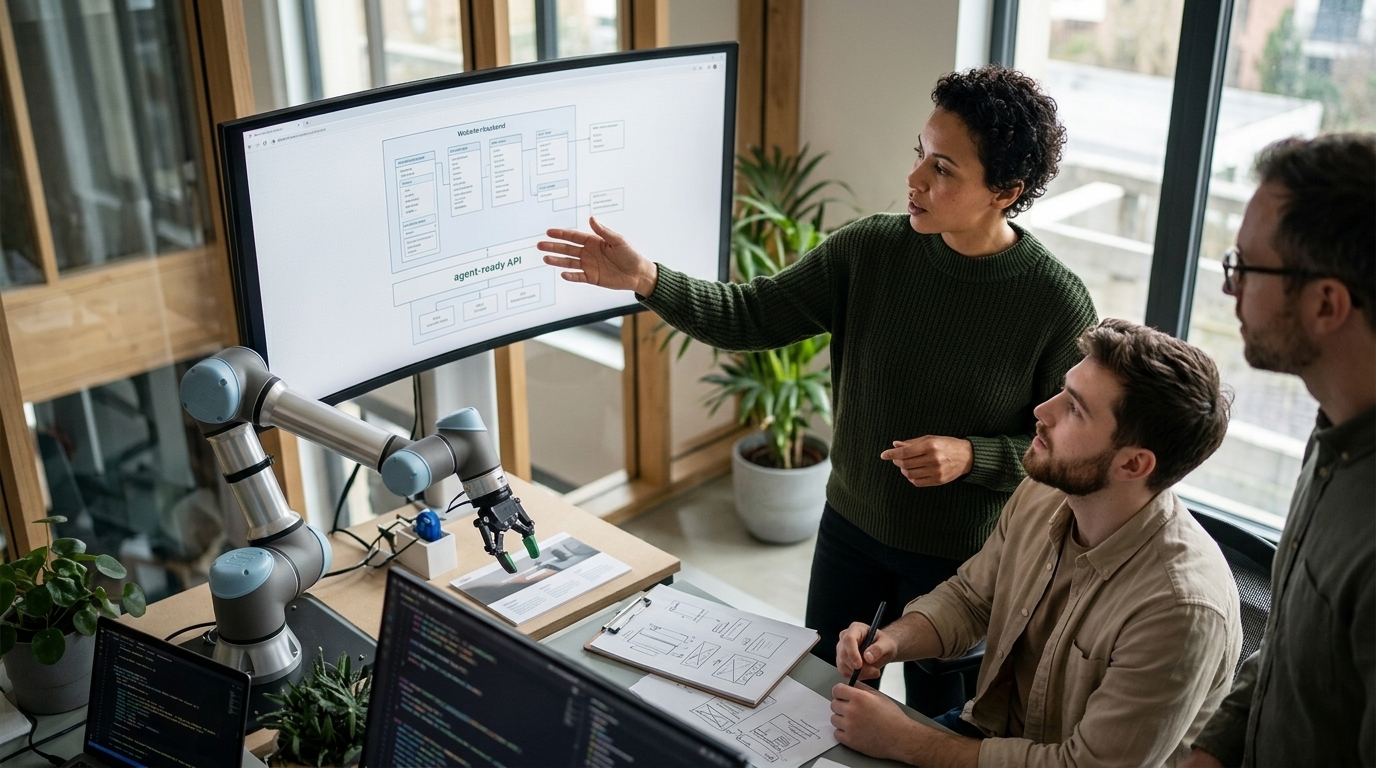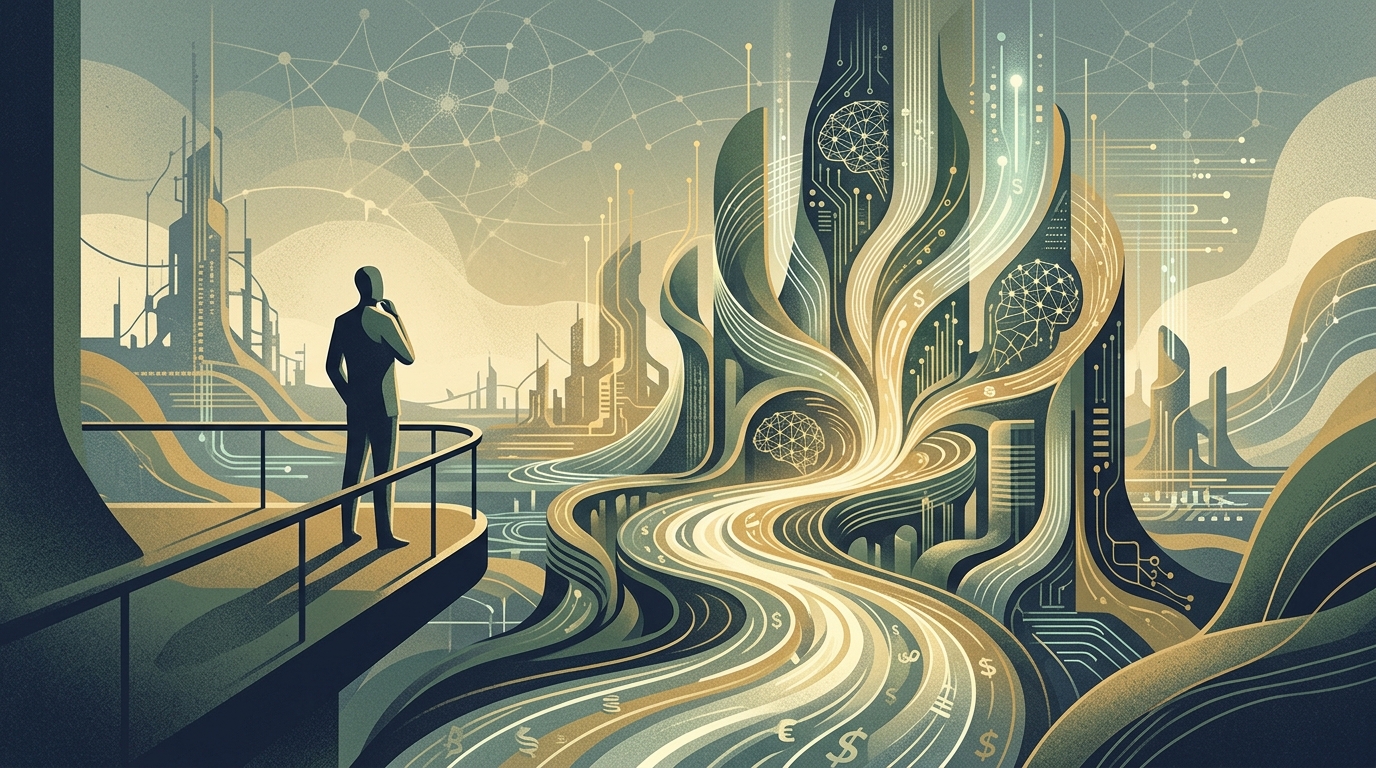
The recent discourse sparked by analyses in major outlets like TA NEA regarding the future of labor and education brings a bold metaphor to the fore: the concept of a state composed of millions of “geniuses.” This is not a genetic mutation of the population, but rather the full integration of Artificial Intelligence (AI) into daily life, such that every citizen possesses a personal “digital Socrates,” a data analyst, and a creative partner in their pocket. This prospect, though sounding utopian, lies at the heart of strategies for many tech giants and governments who view AI not as a tool for automation, but as a tool for augmenting human cognition.
The Democratization of Expertise
Historically, access to high-level expertise was the privilege of the few. Education at top-tier universities, access to rare knowledge sources, and mentorship from world-class experts required either immense financial standing or extraordinary luck. Artificial Intelligence promises to tear down these walls. When a student in a remote village can converse with a language model that has “read” the entirety of global literature, the concept of educational inequality is radically transformed.
The “state of geniuses” is based on the premise that human intelligence is often trapped in bureaucratic tasks or a lack of access to information. With AI taking over the burden of data processing and information synthesis, humans are liberated to focus on critical thinking, strategy, and creation. In reality, we do not all become geniuses in the traditional sense, but we acquire the capabilities of a genius through technological augmentation.
The Economy of Abundance and the New Labor
If every citizen can generate code, design architectural plans, or analyze legal documents with the help of AI, then the value of “knowledge” as a commodity decreases, while the value of the “idea” and “execution” skyrockets. This creates a new economic reality. Businesses will no longer seek people who “know how to do something,” but people who “know what needs to be done.”
- Personalized Production: The ability to create tailor-made products and services by small groups or even individuals.
- Reduction of Innovation Costs: Research and Development (R&D) is accelerated as AI can simulate scenarios and propose solutions in fractions of a second.
- Time Redistribution: Reducing hours spent on repetitive tasks allows for engagement in social contribution and the arts.
The Risks of “Digital Guardianship”
However, the vision of a state of geniuses hides darker aspects. There is the risk of intellectual atrophy: if we rely on AI for everything, will we continue to develop our own critical faculties? Furthermore, the question of control arises. Who controls the algorithms that “train” these 100 million geniuses? If the source of knowledge is concentrated in five major Silicon Valley companies, then the “genius” of the state will actually be a reflection of the values and interests of those corporations.
“AI will not replace humans, but humans with AI will replace humans without AI.”
The transition to this new era requires a new social contract. The state must ensure that access to these tools is universal and that education adapts to teach citizens how to question AI, not just how to use it. “Genius” should not be a canned product of knowledge, but a living process of inquiry.
Conclusion: The Challenge for the Nation
For a country like Greece, with a small population but a high level of human capital both at home and in the diaspora, this prospect is a unique opportunity. If we manage to transform our educational system into a laboratory for human-machine collaboration, we can overcome structural problems that have persisted for decades. The bet is not to build better machines, but to use machines to make ourselves better, more creative, and ultimately, freer.