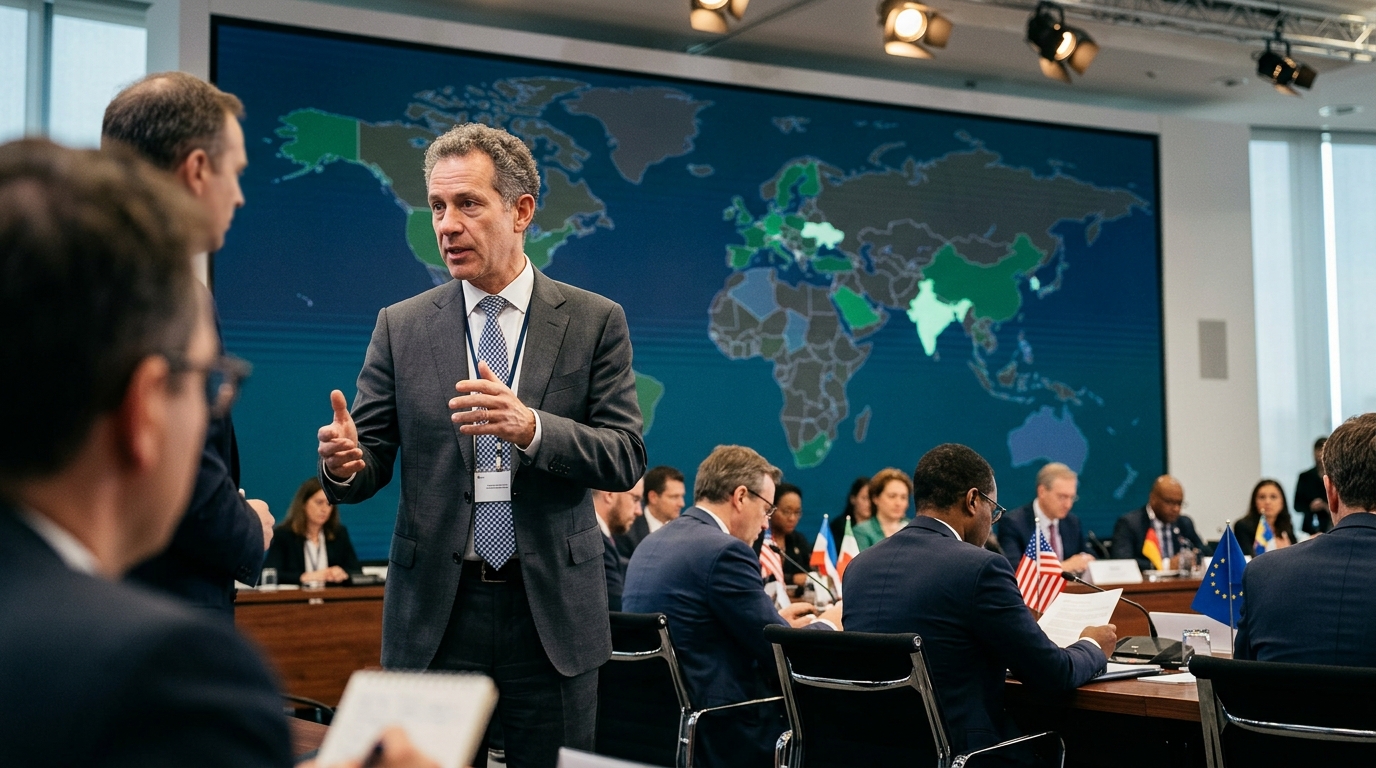
The revelation that the United States government has moved to block foreign access to Anthropic’s most sophisticated artificial intelligence models is more than a corporate headline; it is a watershed moment in the history of digital geopolitics. According to reporting by Axios, later corroborated by Reuters, this move signals a definitive shift from controlling physical assets—such as Nvidia’s high-end GPUs—to controlling the "digital brain" itself: the weights, architectures, and algorithmic breakthroughs that define the frontier of Generative AI.
The Strategy of Intelligence Containment
For years, Washington’s strategy focused on hardware containment, primarily targeting China’s ability to manufacture or acquire advanced logic chips. However, as of June 2026, the strategic calculus has evolved. The realization has set in that hardware is merely the vessel; the true power lies in the trained models. Anthropic’s Claude 4 series, which currently benchmarks as the world’s most capable reasoning engine, possesses capabilities in strategic planning, cyber-operations, and biochemical modeling that the Pentagon views as dual-use technologies with significant military implications.
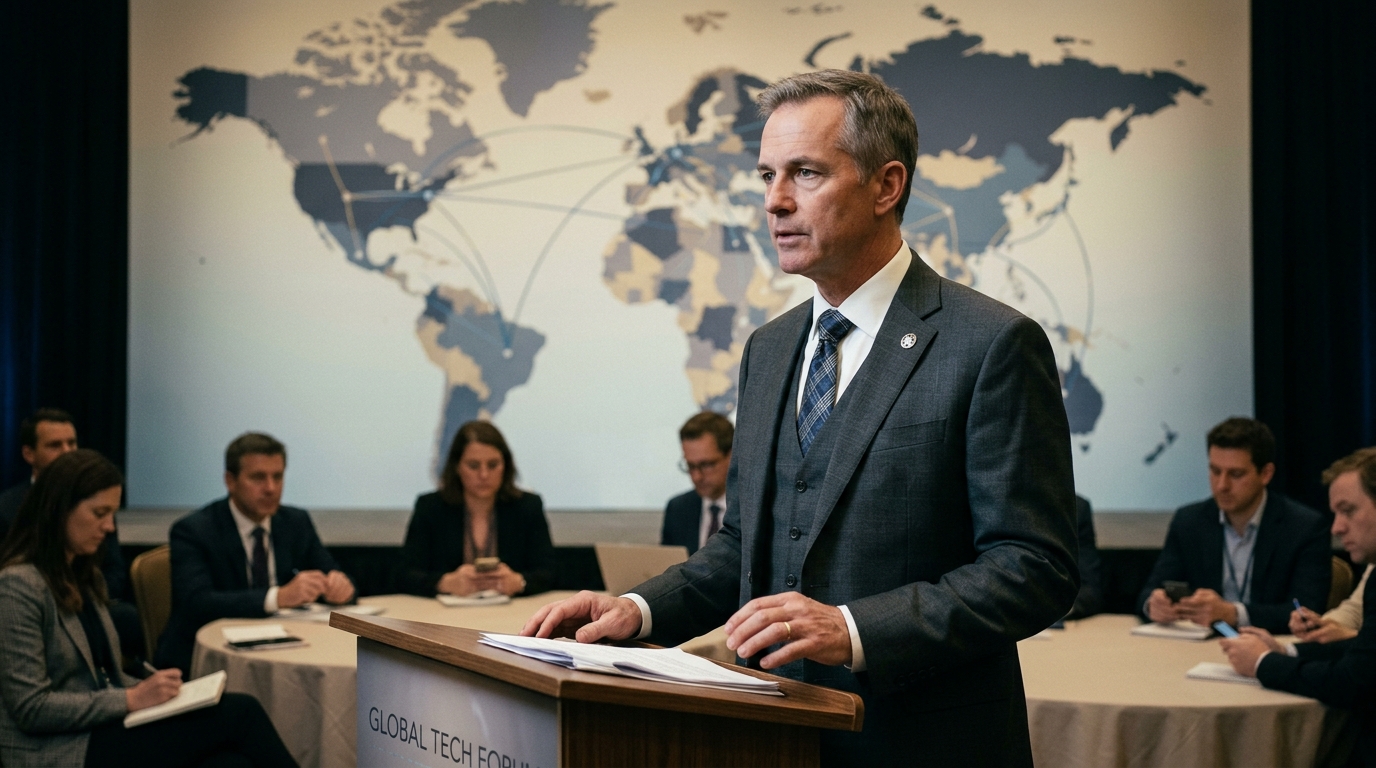
By enforcing these restrictions through Cloud Service Providers (CSPs), the US is effectively creating a "digital embargo." Foreign entities, particularly those flagged as national security risks, will find themselves cut off from the APIs that power high-level reasoning tasks. This creates a bifurcated reality: a world where some nations possess "Super-Intelligence" as a utility, while others are relegated to legacy systems or domestic alternatives that may lag behind by several generations.
Anthropic: A Safety-First Company in a Security-First World
Anthropic, founded on the principles of AI safety and constitutional alignment, now finds itself at the epicenter of a geopolitical tug-of-war. While the company has long advocated for cautious deployment, its reliance on American capital (notably from Amazon and Google) and US-based compute clusters makes it an instrument of national power. These restrictions aren't limited to traditional adversaries like China or Russia; they extend to regions where the risk of technology transfer is deemed too high, including parts of the Middle East and Southeast Asia.
- Restricted access to Claude 4 and Claude 3.5 Opus for non-vetted foreign entities.
- Mandatory 'Know Your Customer' (KYC) protocols for cloud-based AI deployment.
- Potential sanctions for intermediaries facilitating "backdoor" access via VPNs.
- Increased oversight of software exports related to large-scale model training.
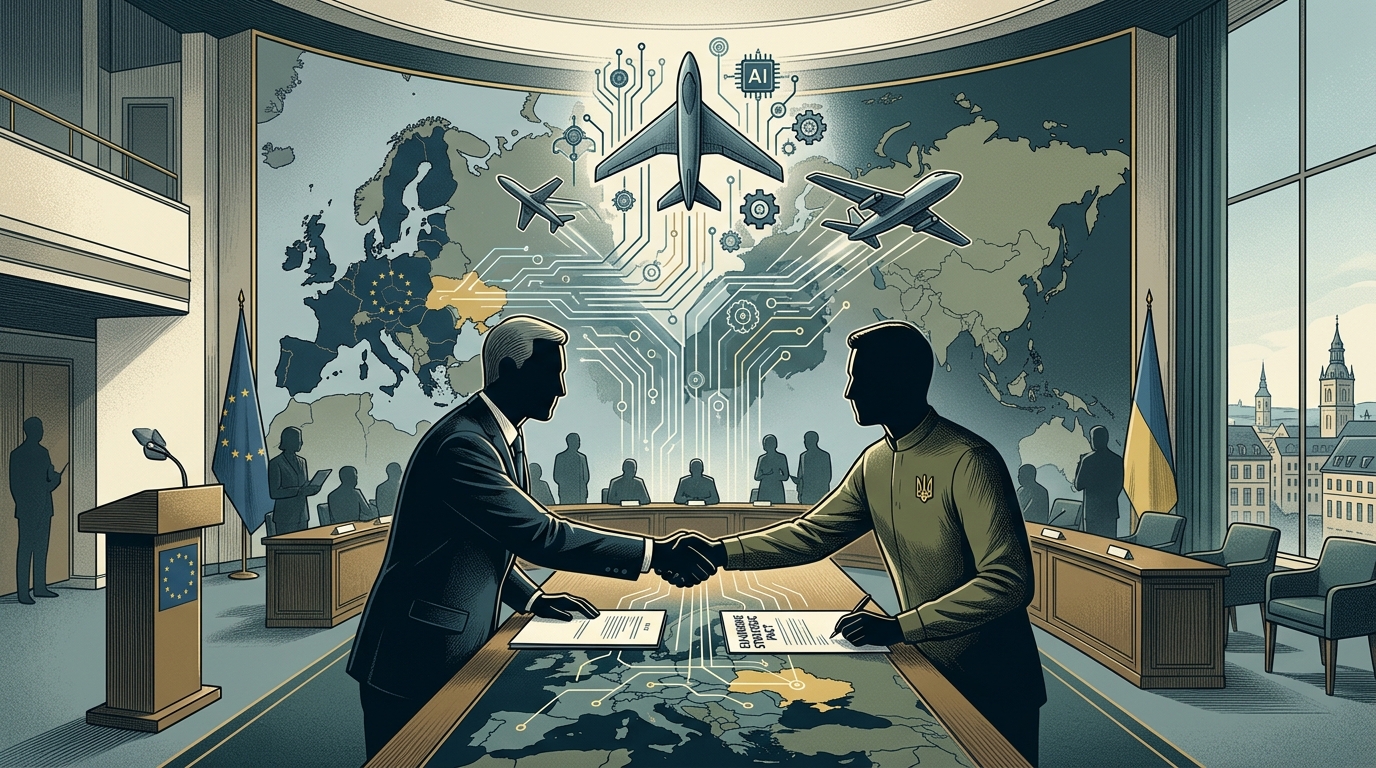
The global market response is expected to be volatile. European regulators are already expressing concern that this "securitization" of AI might inadvertently hinder European tech firms that rely on US-built backends. Meanwhile, Beijing has signaled an acceleration of its own AI sovereignty program, pouring capital into the Ernie and Qwen ecosystems to ensure that the Chinese economy remains insulated from American policy shifts.
The Risks of a Fragmented AI Ecosystem
History suggests that containment often breeds independent innovation. By blocking access to Anthropic, the US may be inadvertently incentivizing the development of a shadow ecosystem—one that operates without the safety guardrails or ethical frameworks championed by Western researchers. Furthermore, there is the risk of a massive shift toward open-source models. If proprietary models like Claude or GPT-5 become restricted state assets, the global developer community may consolidate around open-source alternatives like Meta’s Llama, which are significantly harder to gatekeep.
"Artificial Intelligence is no longer a consumer commodity; it is the new nuclear energy. He who controls access to intelligence controls the future of the global economy and national defense," noted a senior official from the US Department of Commerce.
In conclusion, the decision regarding Anthropic is a harbinger of a new era. The dream of a borderless, globalized tech landscape is fading. In its place, we are seeing the rise of a world divided by digital fortresses, where intelligence is the most coveted and strictly guarded resource on Earth. For Anthropic, and the AI industry at large, the era of being "just a tech company" is over; they are now the new titans of the geopolitical stage.