Wall Street is no longer the market we recognized a decade ago. The rise of the so-called 'Magnificent Seven'—Apple, Microsoft, Alphabet, Amazon, Meta, Nvidia, and Tesla—has forged a new reality where the fate of global indices rests on a slim minority of corporations. This unprecedented concentration of market capitalization is not merely a financial anomaly; it is a structural shift in how value is generated in the digital age.
Artificial Intelligence as the Growth Engine
In 2024, the primary driver behind the meteoric rise of these companies is undoubtedly Artificial Intelligence (AI). Nvidia, once viewed as a niche manufacturer of gaming chips, has transformed into the architect of the world's new digital infrastructure. The demand for its H100 and Blackwell processors is so immense that its market cap has breached historic milestones, pulling the entire S&P 500 index along with it.
However, AI is not just a hardware story. Microsoft and Alphabet are locked in a relentless race for dominance in large language models and cloud services. Investors are no longer purchasing shares based on current earnings alone, but on the expectation that these seven entities will control the operating system of future humanity. This anticipation creates a 'protective moat' around their stocks, positioning them as safe havens during periods of geopolitical instability.
The Risks of Concentration and Decoupling
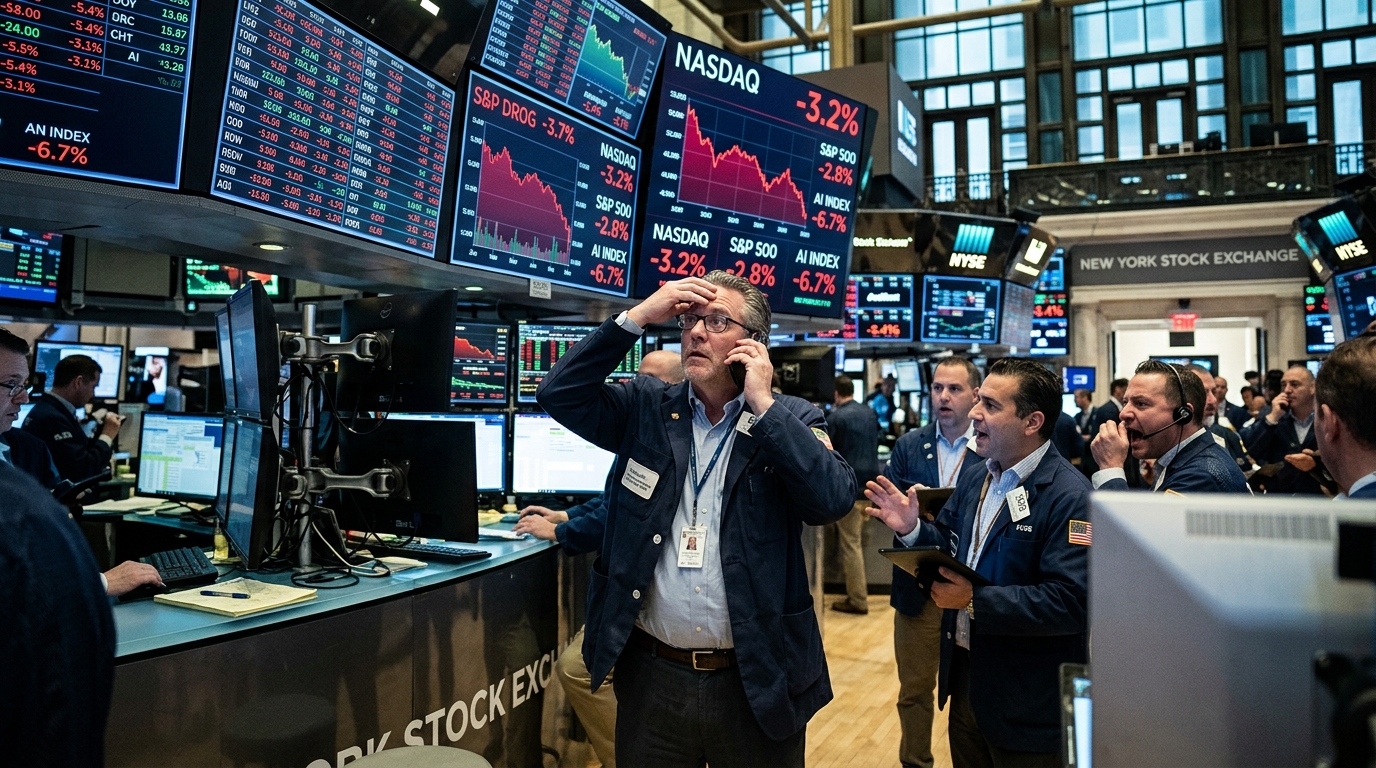
Despite the prevailing optimism, analysts warn of the dangers inherent in market 'narrowness.' When seven companies account for nearly 30% of the S&P 500's total value, even a slight disappointment in the quarterly earnings of one can trigger a systemic shock. We are already witnessing a 'decoupling' within the group itself: while Nvidia and Meta continue to surge, Tesla faces headwinds from Chinese competition, and Apple is under pressure to prove its AI strategy is sufficiently transformative.
- Nvidia now controls over 80% of the high-end AI chip market.
- The combined cash reserves of the Magnificent Seven exceed the GDP of many developed nations.
- Capital expenditures (CapEx) for AI infrastructure by these firms are projected to surpass $200 billion annually.
Geopolitics and the Regulatory Landscape
The power of these giants extends far beyond stock tickers. They have become geopolitical actors. The US-China conflict over semiconductors places Nvidia and Apple at the forefront of international diplomacy. Simultaneously, the European Union, through the Digital Markets Act (DMA) and Digital Services Act (DSA), is attempting to rein in their influence, creating a widening gap between American innovation and European regulation.
"We are not merely in a bubble; we are in a period of global power redistribution, where code and silicon carry more weight than oil and steel," a leading Wall Street strategist recently noted.
In conclusion, the 'Magnificent Seven' are no longer just stocks. They are the custodians of 21st-century digital infrastructure. Their ability to maintain this pace of growth will determine not only the trajectory of pension funds for millions of citizens but also the future of technological sovereignty in the West.