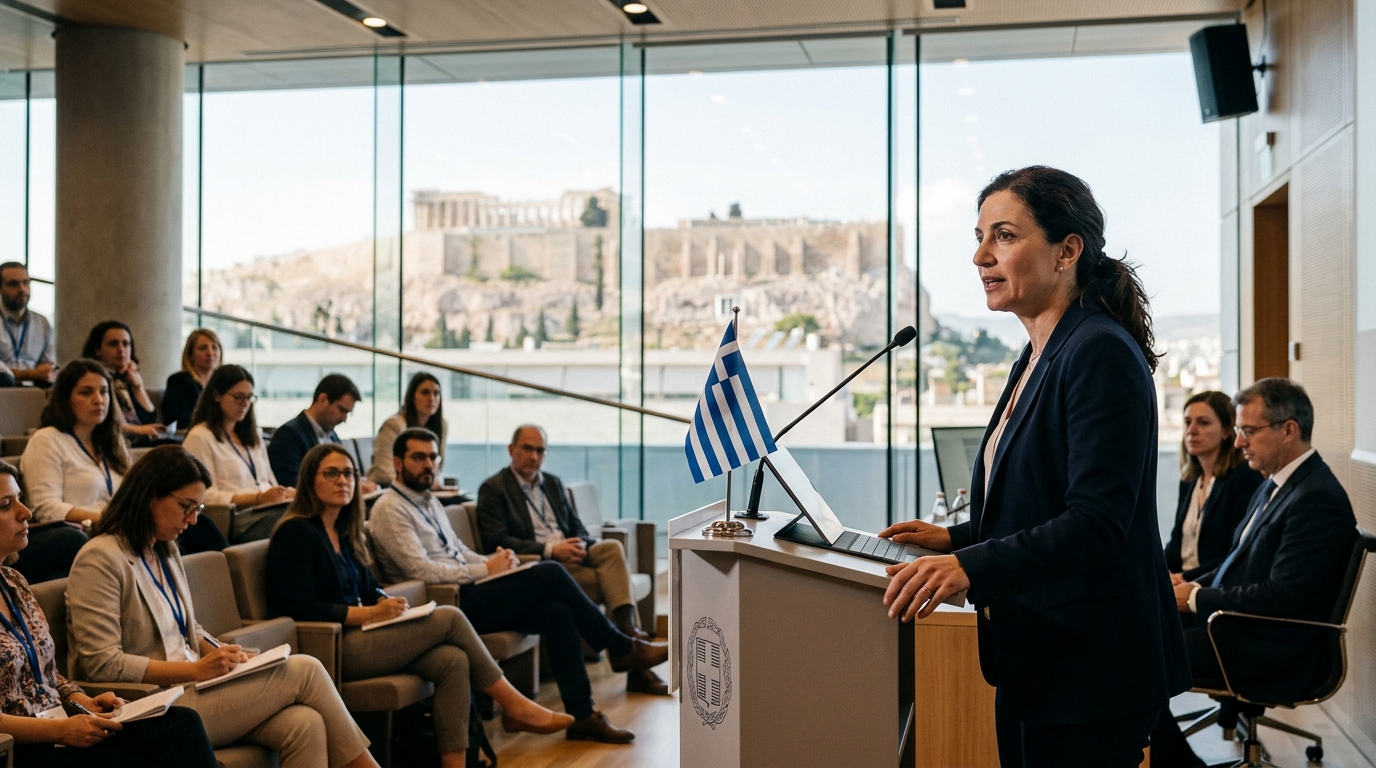
In a move that many analysts have described as the "inevitable divorce," the United Arab Emirates (UAE) has finalized its withdrawal from the Organization of the Petroleum Exporting Countries (OPEC), sending shockwaves through international markets and the global geopolitical landscape. This decision, following years of escalating tension with Saudi Arabia, is not merely a dispute over production quotas; it is a fundamental strategic shift reflecting the new realities of the global energy transition.
The End of "Oil Unity"
For more than half a century, OPEC functioned as the regulator of the global economy, controlling supply to maintain prices at levels that served the interests of its members. However, the departure of the UAE, the cartel's third-largest producer, shatters this cohesion. Abu Dhabi has invested more than $150 billion to increase its production capacity to 5 million barrels per day—an investment that was being "strangled" by the constraints of OPEC+.
- The need for immediate monetization of reserves before fossil fuels become stranded assets.
- The desire for national sovereignty in shaping energy policy.
- Competition with Riyadh for foreign investment and regional hegemony.
This move sends a clear message: the era of collective oil price management is giving way to "national egoism." The UAE no longer wishes to sacrifice its revenues to support the fiscal needs of other members, such as Saudi Arabia or Russia.
Impact on International Prices and Inflation
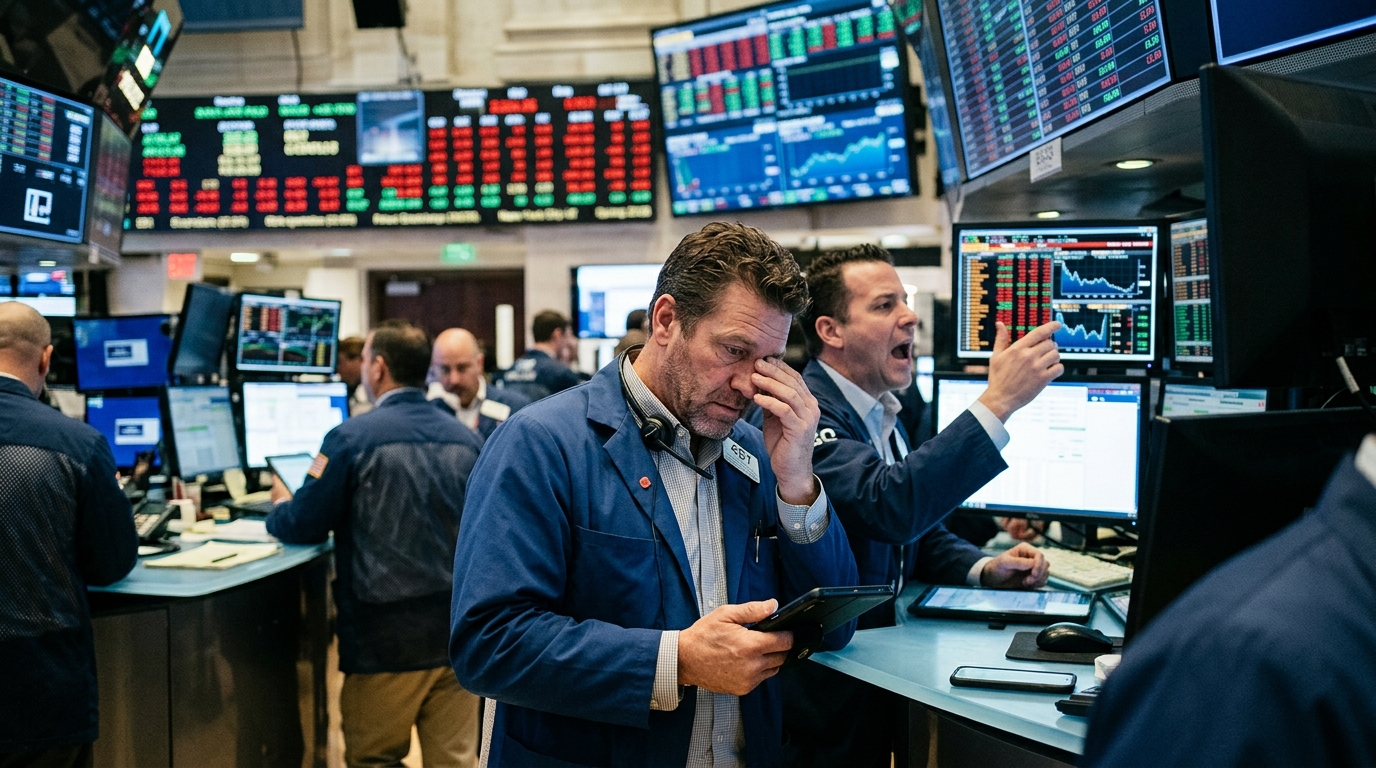
The initial market reaction was characterized by intense volatility. In the short term, uncertainty tends to push prices upward due to fears of geopolitical instability. However, analysts predict that in the medium term, the UAE's exit will lead to a decline in prices. Freed from the cartel's restrictions, Abu Dhabi is expected to flood the market with crude to maximize profits while demand remains relatively robust.
"We are facing a potential price war that could mirror 2014 or 2020," says a senior investment bank executive. "If the UAE increases production, Saudi Arabia will be forced to do the same to avoid losing market share, potentially driving the barrel below $60."
For Western economies struggling with persistent inflation, such a development could be a "godsend," reducing transportation and production costs. Conversely, a sharp drop in prices could slow investment in green energy, as oil becomes extremely economically attractive once again.
Geopolitical Realignments and the Western Stance
The UAE's withdrawal is not just an economic event; it is a declaration of independence from the traditional Gulf axis. The US and the EU are watching with satisfaction, as the weakening of OPEC reduces Russia's ability to weaponize energy through the OPEC+ alliance. At the same time, there are concerns regarding regional stability. The rift between Mohammed bin Zayed (UAE) and Mohammed bin Salman (Saudi Arabia) transcends oil, touching on issues such as the war in Yemen and relations with Iran.
Conclusion: A New Energy Map
The UAE's historic exit marks the "beginning of the end" for fossil fuels. In a world moving toward decarbonization, oil producers are realizing that their time is running out. The strategy of "producing as much as possible while we can" seems to be gaining ground over the strategy of "keeping prices high." This paradigm shift will define global economic stability for the next decade, making energy cheaper but far more unpredictable.