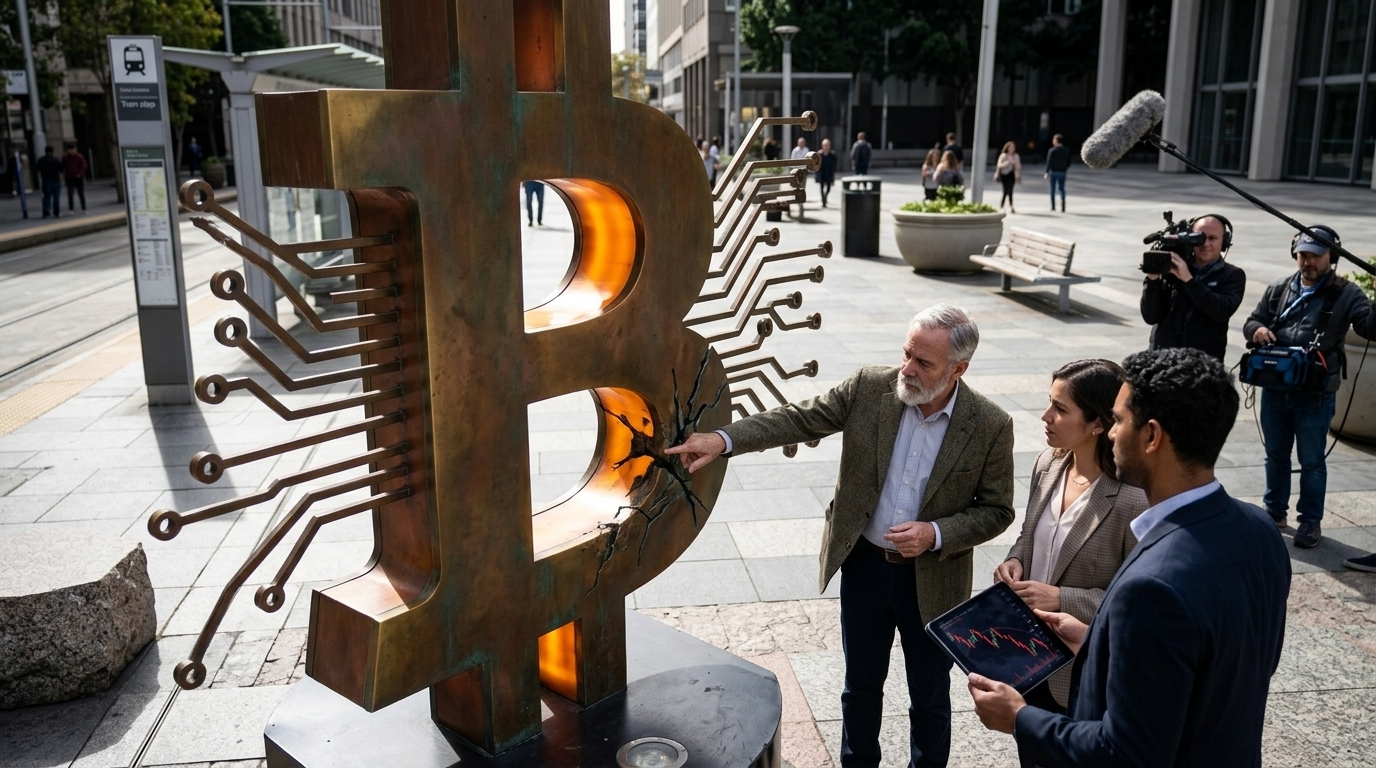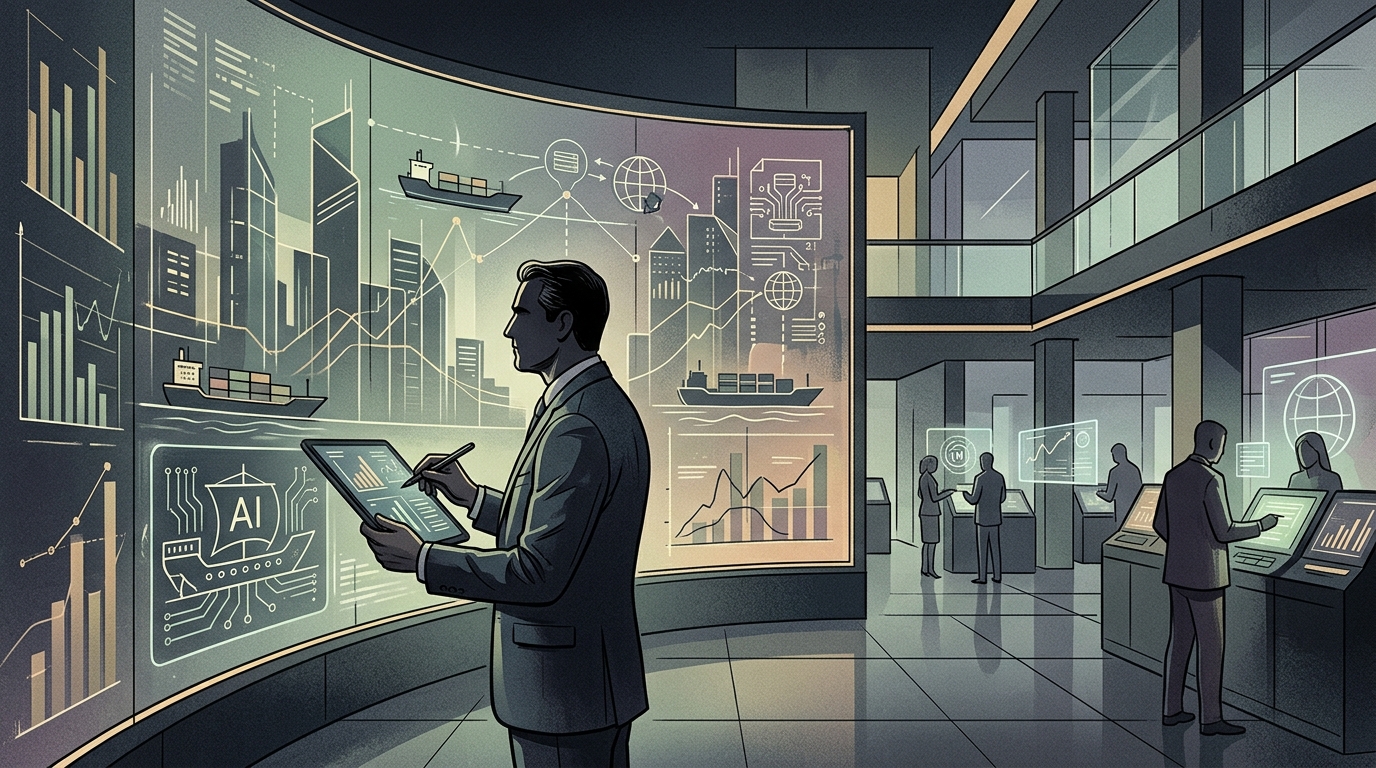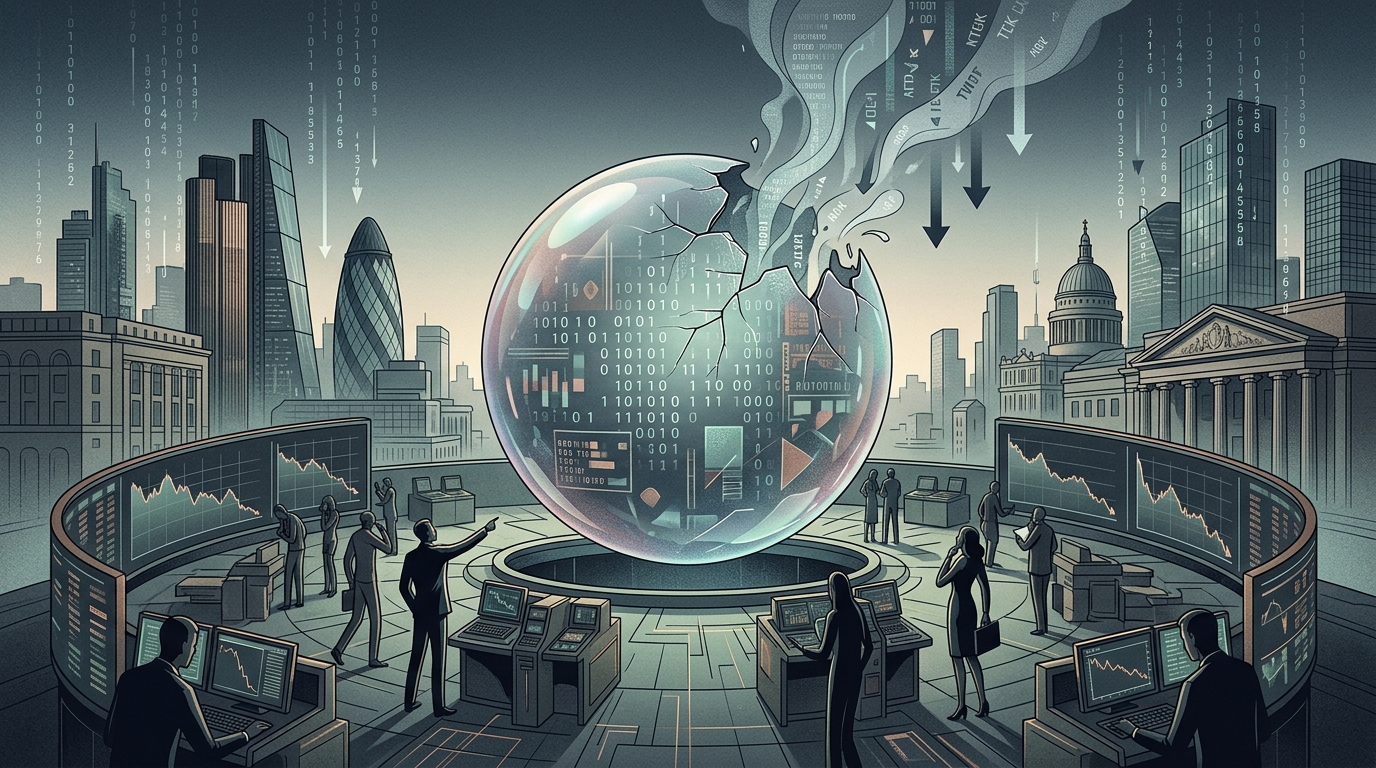
In an era where markets seem intoxicated by the promises of Artificial Intelligence, Ray Dalio, founder of Bridgewater Associates and one of the global financial system's most respected thinkers, steps in with a warning that rings like a wake-up call. His central thesis is simple yet deeply unsettling for Wall Street: investors are systematically confusing a technology's ability to change the world with its ability to generate sustainable shareholder profits.
As of June 2026, we have seen AI permeate every facet of production, from pharmaceutical research to automated legal support. However, Dalio argues that we are at a critical juncture where "utility value" and "market value" are dangerously diverging. The mistake investors are making, according to him, is not overestimating AI as a technology, but underestimating the laws of competition and economic history.
The Trap of Technological 'Democratization'
Dalio points out that major technological revolutions tend to follow a specific pattern. Initially, there is a race for infrastructure dominance (the "picks and shovels"). Today, this translates into the demand for semiconductors and data centers. However, as technology matures and becomes accessible to all, competitive advantage erodes. When every company has access to sophisticated AI models, productivity increases everywhere, but profit margins are squeezed due to intense competition.
"If everyone has the same magic wand, then no one is a magician," could be the aphorism summarizing his analysis. Dalio cites the era of railroads or the early internet period as examples. While railroads radically changed global trade, most of the original railroad companies went bankrupt. The value was transferred to society and consumers, not necessarily to the early investors who funded the infrastructure.
The Expectation Cycle and Geopolitics
Another point Dalio raises is the geopolitical dimension. AI is not just a commercial product; it is a tool of national power. This means governments will intervene in ways that may not be market-friendly. Export restrictions, state subsidies, and regulatory barriers create an environment where winners are chosen not just by the market, but by political expediency. Dalio, known for his analysis of "Great Cycles" of power, warns that investors who ignore the "geopolitical risk" of AI risk being blindsided.
- Excessive capital concentration in a few "champions" creates systemic risks.
- The cost of energy and infrastructure (Capex) is rising faster than the revenues directly generated by AI.
- Social backlash and regulatory rules for labor protection will impact profitability.
According to Dalio, investors must stop buying "the narrative" and start examining balance sheets with greater rigor. The question is not whether AI will change the world—that is now a given—but who will pay the price for this change and who will reap the profits over a decade-long horizon.
The Strategy of 'Radical Truth'
Dalio proposes an approach based on his core principles: radical truth and transparent data analysis. Instead of chasing stocks that simply mention "AI" in their reports, investors should look for companies using the technology to create unique, non-replicable advantages. Real value, he argues, will be found not in those who build the models, but in those who own proprietary data and can leverage it to solve specific, complex problems that general AI cannot touch.
"History teaches us that the most transformative technologies often lead to financial disasters for those who enter late and at high valuations," Dalio concludes.
In conclusion, Ray Dalio's warning is not a condemnation of Artificial Intelligence, but a call for investment discipline. In a world changing at the speed of light, the only constant remains human psychology and its tendency to create bubbles on top of real revolutions. The bet for 2026 and beyond is not to find the next AI company, but to understand which one will survive the cannibalization of profit margins that the technology itself brings.